Ten Minute Organizing Tips For A Small Home
Living in a small home does not mean living with clutter. These organizing tips will help you make the most of every room, from the kitchen to the garage, with simple ideas that work in real homes.
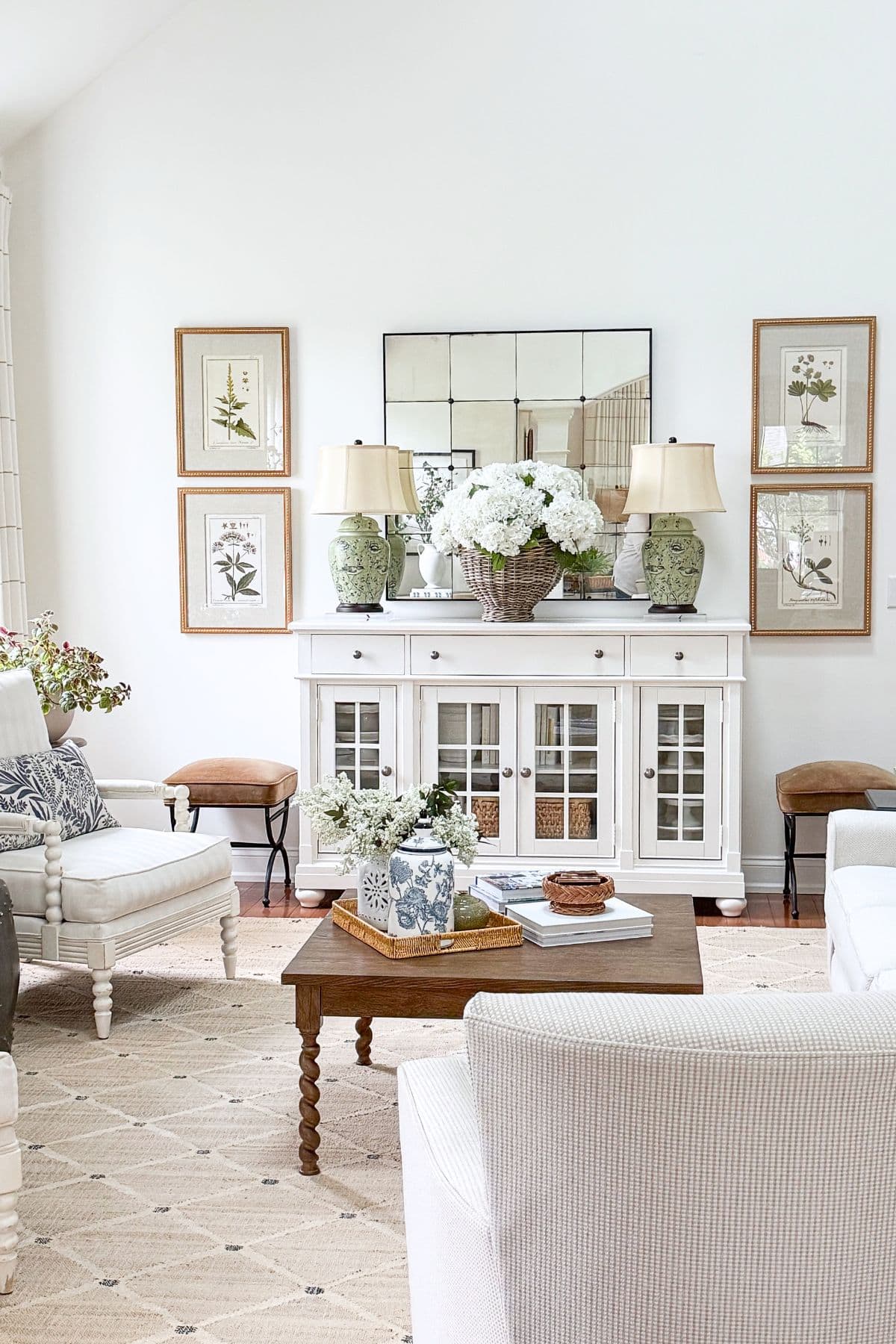
When we moved from our StoneGable home and downsized to Tanglewood House, I was almost ruthless about not taking too many things with us. Six years later, it is amazing how much we have accumulated anyway.
Keeping things organized has become a priority for us. Our home is on the smaller side and very open, with one room flowing into the next. If I let clutter build up in one spot, it shows up everywhere else too.
The good news is that organizing does not have to mean clearing your whole weekend. Most of the changes that made the biggest difference in our home took ten minutes or less. A quick ten minutes here and there adds up faster than you would think.
In this post, I am sharing the organizing tips that have made the biggest difference in our home, room by room. These are quick, doable ideas you can knock out in under ten minutes, not big projects that sit on your to-do list for months. While I am sharing these through the lens of our smaller home, every tip works just as well no matter the size of your home. Good organizing habits are not about square footage; they are about making the most of the space you have.
Start With A Small Home Mindset
A small home rewards a different kind of thinking than a big one. It is not about fitting less into more space; it is about making sure everything you keep earns its place. These five habits make the biggest difference, and every tip in this post builds on them.
- Give everything a home. This is the habit that matters most. If an item does not have a designated spot, it will end up on a counter, a chair, or the floor. Before you organize anything else, decide where each category of item belongs, then keep it there.
- Touch it once. When you pick something up, put it away instead of setting it down somewhere temporary. This one habit alone prevents most of the clutter that piles up in a small space, since there is rarely a second chance to deal with it later.
- Keep flat surfaces clear. Counters, tables, and dressers fill up fast in a smaller home. A clear surface makes the whole room feel calmer, even if a closet nearby is still a work in progress.
- Do a quick nightly reset. Spend ten minutes each evening putting things back where they belong. It is a small habit that keeps clutter from ever building up in the first place, and it makes the next morning feel like a fresh start.
- Declutter as you go. Rather than one big purge, go through a drawer or shelf for a few minutes whenever you notice it filling up. One in, one out keeps things from accumulating between bigger cleanouts.
🌿 TIP BOX: Choose furniture that does double duty, like a storage ottoman or a bench with baskets underneath. In a small home, every piece should earn its keep.
Entryway
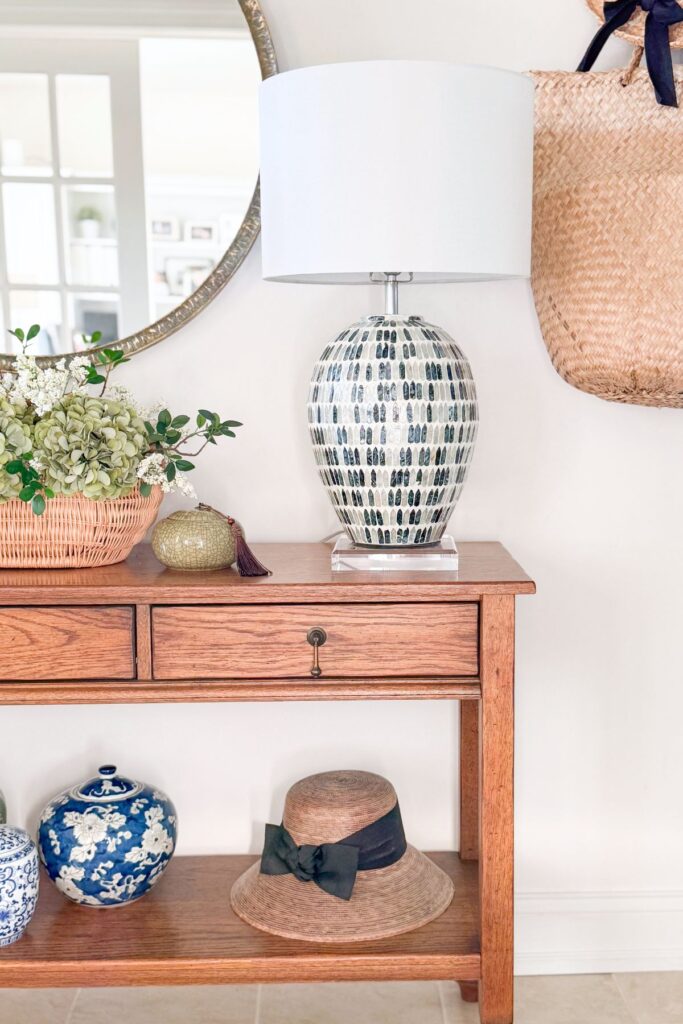
The entryway sets the tone the moment anyone walks in, and it is one of the easiest spots to organize with just a few small changes. A good entryway does not need much, just a designated spot for the handful of things you use every single day.
- Set up one basket as a drop zone. A single basket by the door for keys, sunglasses, or a wallet means those items always land in the same spot, so you are never searching for them on your way out.
- Add a hook or two at the door. Even without a full mudroom bench, a couple of hooks give coats and bags a place to hang rather than on a chair or the floor.
- Keep a small tray or shallow bowl for mail. Sort it the moment it comes in, recycling what you do not need and setting bills or important pieces in the tray to deal with later.
- Use a slim shoe tray by the door. It takes seconds to slip shoes off into one spot rather than leaving them scattered across the entryway floor.
- Do a quick weekly reset. Once a week, clear out anything that has landed in the basket, tray, or on hooks and no longer belongs there: mail that is done, shoes that need to go back to a closet, and so on.
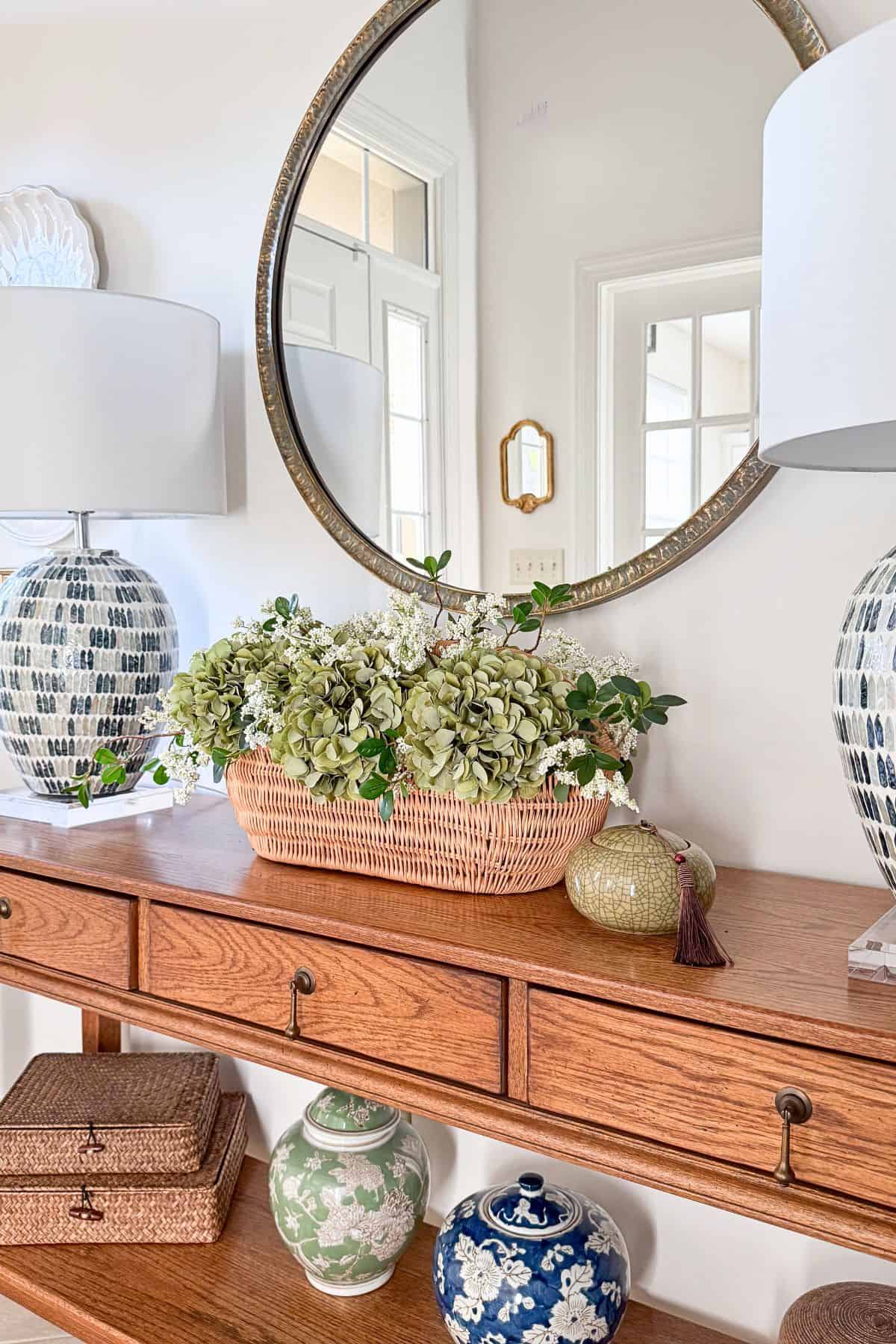
🌿 TIP BOX: A small dish inside your entryway basket keeps loose change, a spare key, or a garage remote from sinking to the bottom where you can never find it.
Kitchen
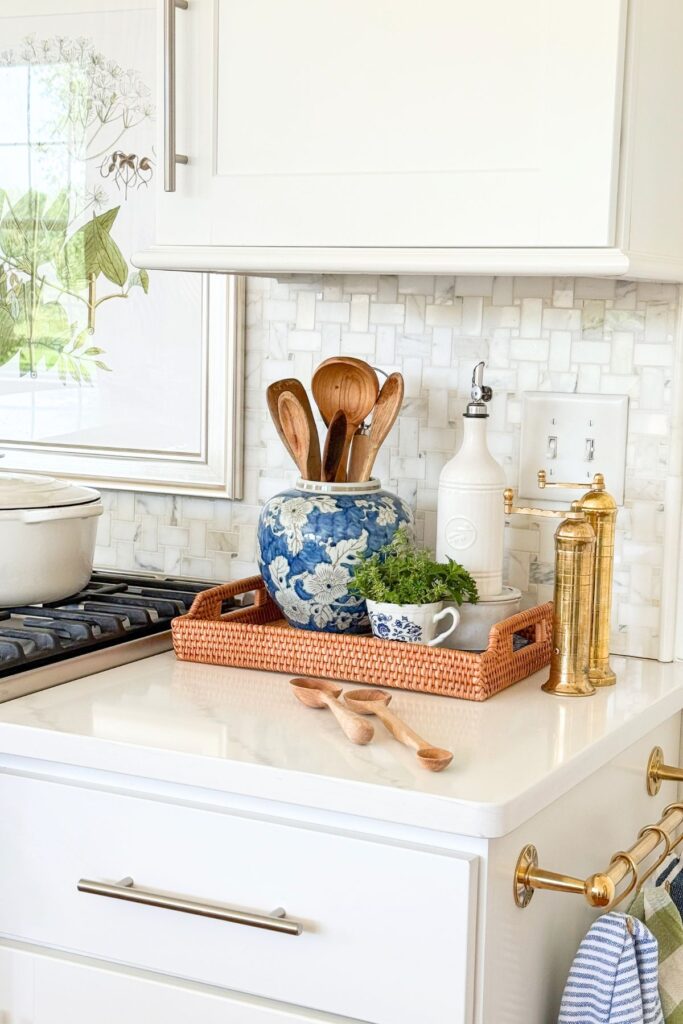
Our kitchen is open to the living room, dining room, and sunroom, so it is never really hidden from view. Keeping it organized is not just about making meal prep easier; it also keeps the rest of our home from looking cluttered, since every one of those rooms can see straight into it.
These are the five changes that make the biggest difference in our kitchen, starting with the one that matters most.
- Clear the counters and empty the sink every night. This is the single biggest factor in whether a kitchen feels organized, especially in a smaller kitchen where every inch of counter space counts. A clear counter gives you room to prep meals, and an empty sink means you are never starting the next day already behind. Before bed, take 10 minutes to put away anything that landed on the counter and to load or hand-wash whatever is in the sink.
- Organize by zones. Group items by how you use them, not just what they are. A baking zone near the mixing bowls, a coffee zone near the mugs, a prep zone near the cutting boards. When everything has a logical neighbor, putting things away becomes automatic rather than a decision each time.
- Use your vertical space. In a smaller kitchen, cabinets and drawers fill up fast, but wall space and cabinet tops often go unused. A few hooks, a magnetic strip, or a shelf riser can free up drawer space without adding a single new cabinet.
- Give every item a home, even the small stuff. If something does not have a designated spot, it becomes clutter the moment it is used. This matters most for the items you touch daily, like keys, mail, or phone chargers that tend to land on a kitchen counter out of habit.
- Do a quick pantry scan each week. Take 10 minutes to check for anything that has expired or is doubled up. It keeps shelves from feeling crowded and helps you actually use what you already have instead of buying more.
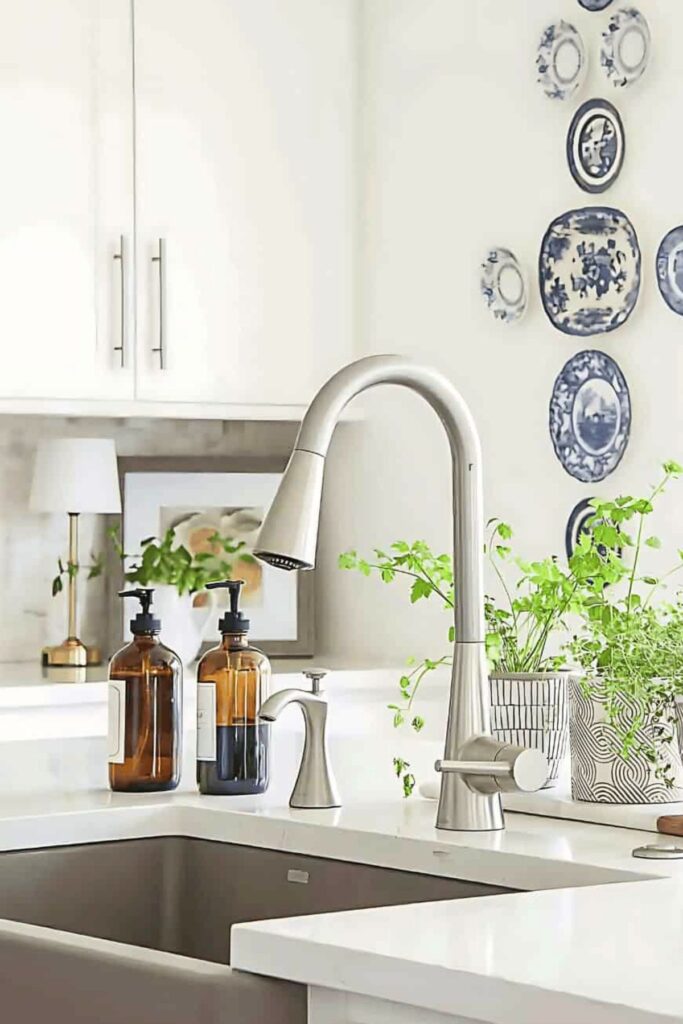
🌿 TIP BOX: A lazy susan works wonders in a small kitchen, especially in corner cabinets or the refrigerator, where items tend to get lost behind each other.
Dining Room
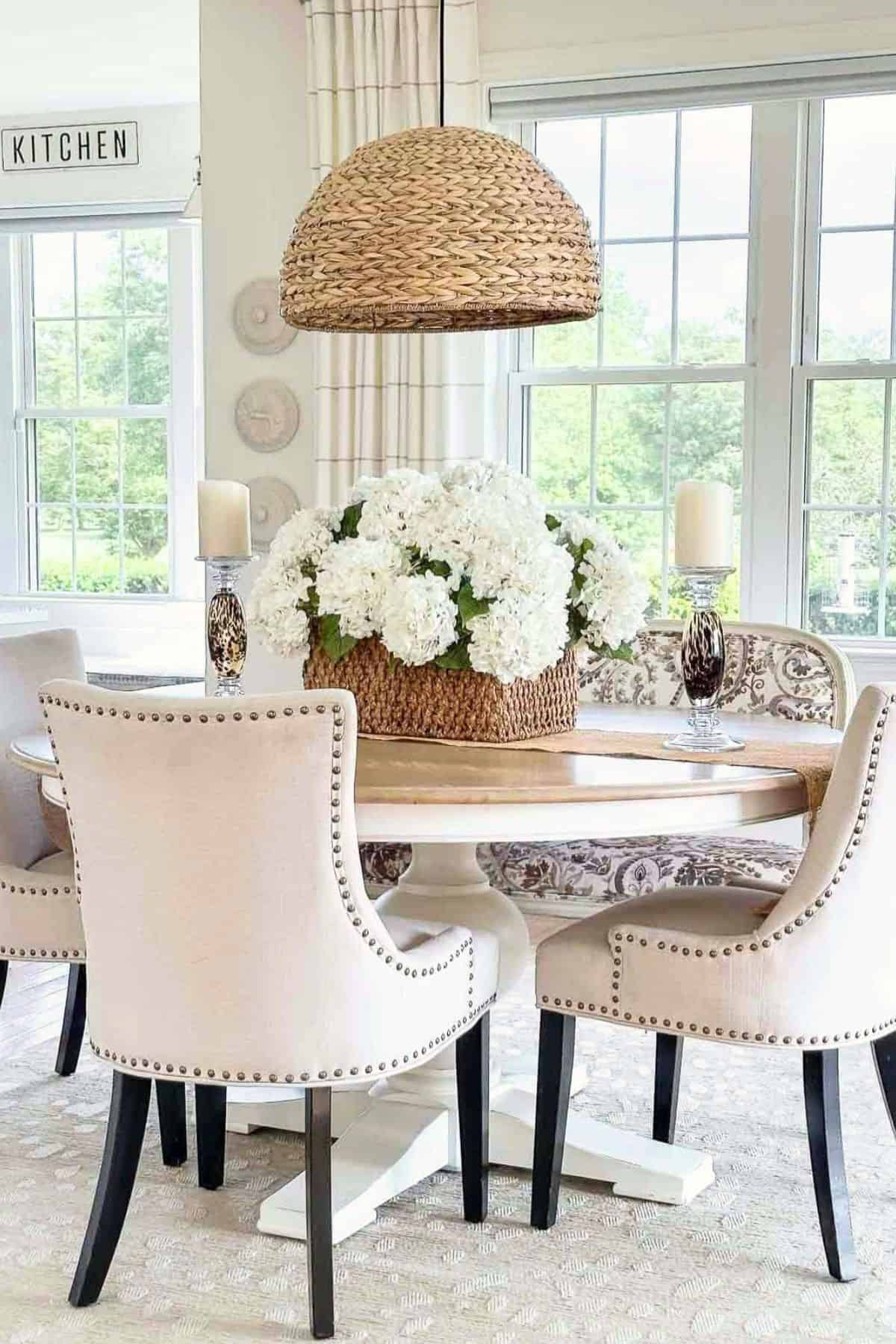
Our dining room is not used every day, but it still needs to stay in order since it is part of the open flow between the kitchen, living room, and sunroom. A cluttered dining room shows just as much as a cluttered kitchen does in a home like ours.
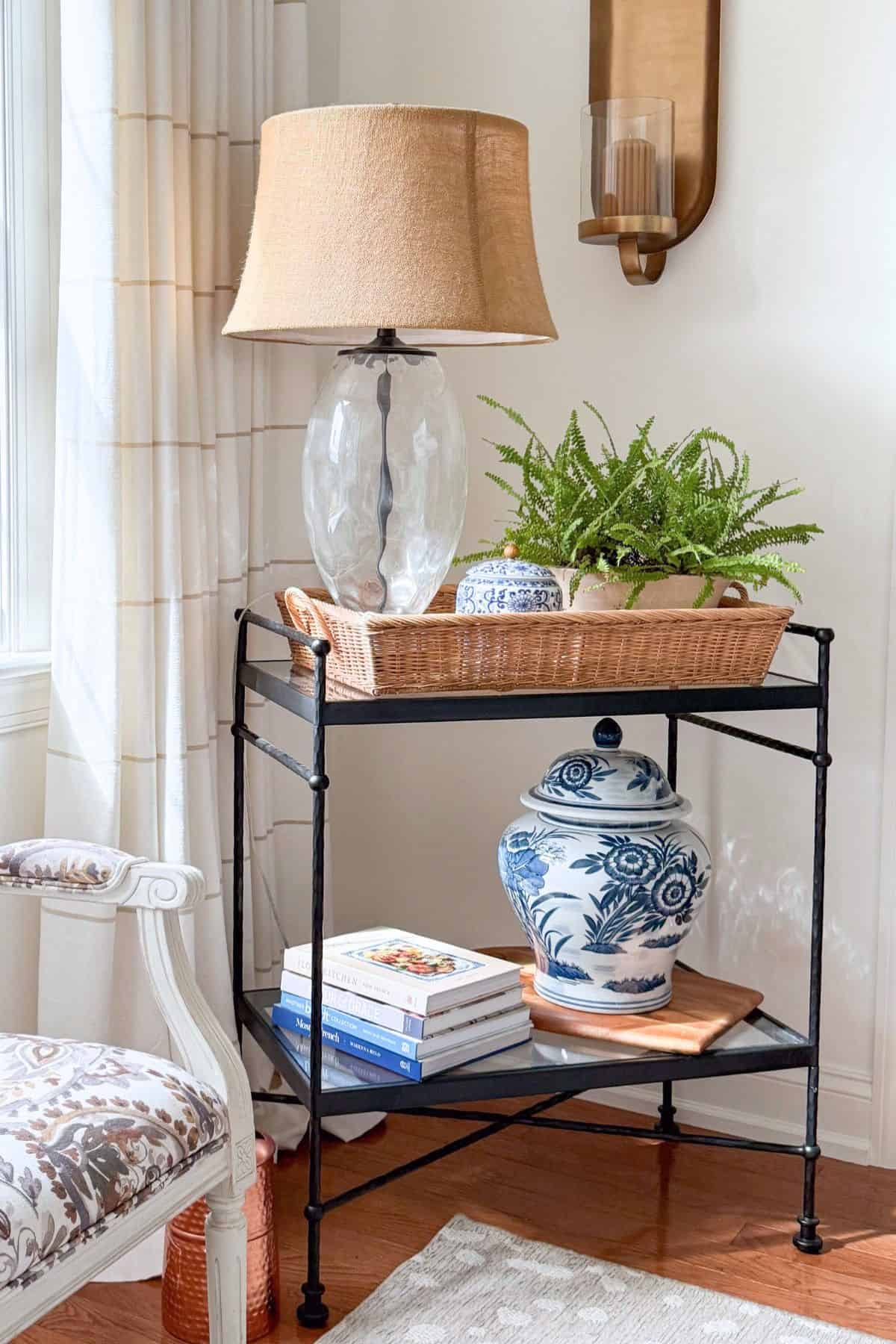
A smaller dining room does not always have room for a buffet or sideboard. In our home, a bar cart holds a lamp and a few of our favorite cookbooks and does the job just fine. Whatever storage piece you have, even a small one, gives the room somewhere for things to belong.
Because a dining room is not used constantly, it also tends to become the spot where things get dropped off and forgotten: mail, school papers, a stray bag. Being a little ruthless about keeping the space clear is what keeps it from becoming that catch-all room.
These are the five habits that keep our dining room tidy and ready for company at a moment’s notice.
- Do not let it become a drop zone. Anything set down “just for a minute” tends to stay for a week. Make a habit of carrying items through to where they actually belong instead of setting them on the table or a nearby surface.
- Use whatever storage piece fits your space. A buffet is wonderful if you have the room, but a bar cart, a slim shelf, or even a single cabinet can hold linens, cookbooks, or serving pieces just as well. If you do have a buffet or sideboard, I have a full guide to decorating one.
- Keep seasonal items elsewhere entirely. In a small dining room, there is often no high shelf or spare cabinet to tuck things into. Instead, store your holiday linens, good china, and special-occasion serving pieces in a closet, on a pantry shelf, or wherever else in your home has room, and keep only what you use regularly in the dining room itself.
- Use baskets to corral small items. Napkin rings, candles, coasters, and trivets are the kind of small items that end up scattered everywhere. One basket or bin per category keeps them easy to find in seconds instead of having to hunt for them.
- Use your walls when floor space is tight. A floating shelf or a slim wall cabinet can hold everyday dishes or glassware without requiring extra floor space, which matters in a smaller dining room where every foot counts.
🌿 TIP BOX: Clear the table completely right after every meal or when you use it, not just at the end of the day. A table that resets after each use stays guest-ready and never has the chance to collect mail, homework, or stray items in between.
Living Room
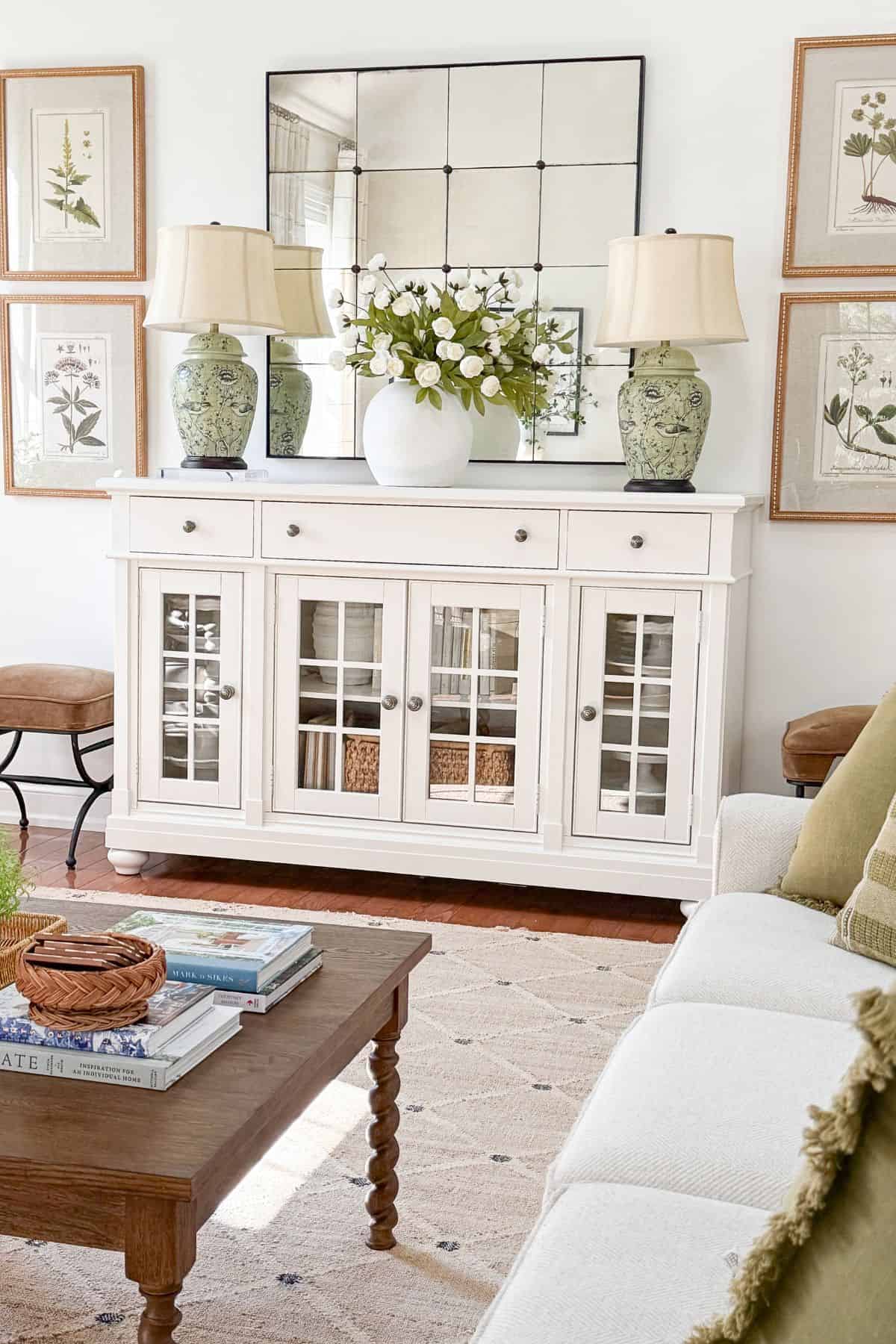
Our living room is the largest room in our home and connects the office and foyer to the rest of the house. It is the first room that welcomes family and friends, so I want it to look pretty and stay tidy. It sees heavy traffic every single day, which means I am careful about keeping it organized.
Hidden storage does a lot of the work here. Our white buffet, the Curlicue chest, and drawers built into the coffee table and end tables all give us places to tuck away what we need, and some of those pieces hold items for the dining room too, not just the living room.
These are the five habits that keep our living room looking put together, even with all that traffic moving through it.
- Keep a clear path through the room. A living room that connects to other spaces needs an open, easy walkway. If it is hard to move through, things get set down and left rather than carried where they belong. Arrange furniture so the flow feels natural, not obstructed.
- Treat hidden storage as prime real estate. Any drawers or storage space in living room furniture is at a premium, so do not let it become a dumping ground. Sort through these spots regularly and make sure every item still earns its place. If you have not used something in a year, it is probably time for it to go.
- Corral remotes in one spot. Use a small lidded box or basket to keep every remote together, for the TV, the lights, the fireplace, whatever you have. It keeps them from scattering across the coffee table or getting lost in a couch cushion.
- Use baskets for the things that get scattered. Throw blankets, magazines, or toys tend to spread across a living room throughout the day. One basket per category makes the end-of-day tidy-up quick, rather than a full room reset.
- Rotate what you display. A large living room has more surfaces to fill, which can quietly accumulate clutter. Keep only a portion of decor or collections out at a time, and store the rest to swap in later. It keeps the room feeling curated rather than crowded.
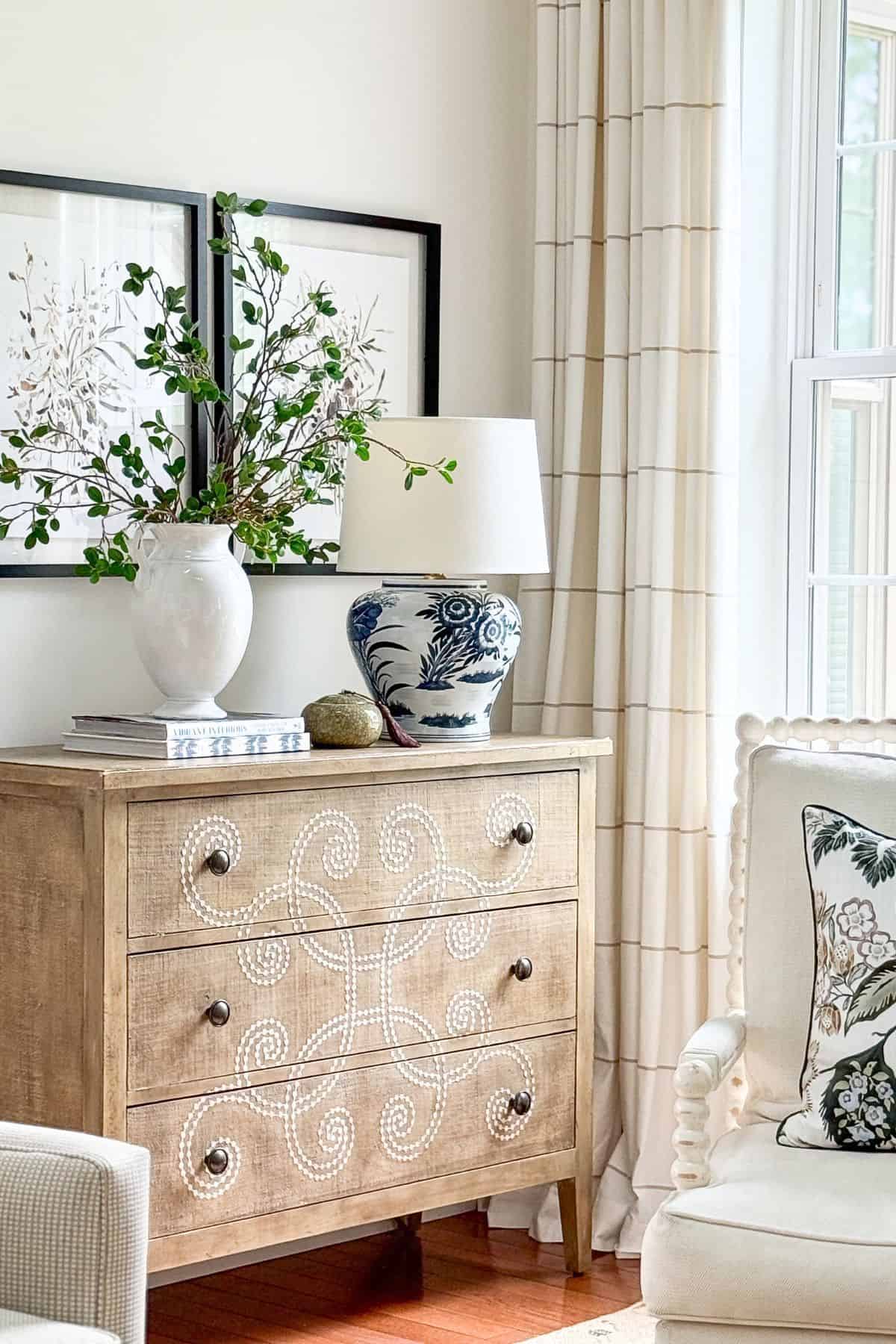
🌿 TIP BOX: A large ottoman with a lift top gives you a spot to rest drinks or feet, plus hidden storage underneath for blankets or games, all in one piece of furniture.
Primary Bedroom
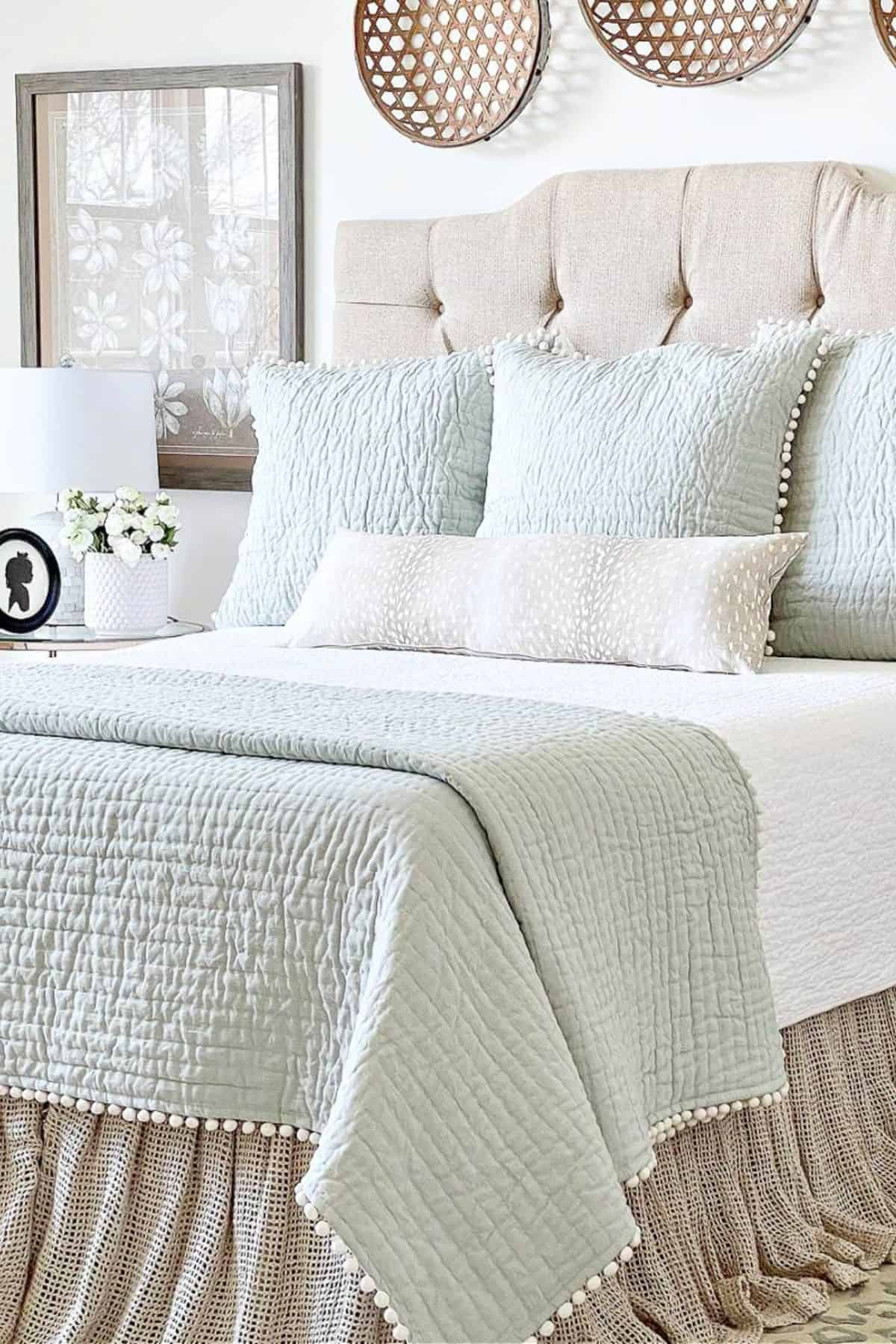
Before I get to the organizing tips themselves, I want to mention one habit that is not technically about organizing but makes the biggest difference in how put together our bedroom feels. I make our bed every morning. It takes just a few minutes, and it means I have already checked one thing off my list before the day even really starts.
Now, on to the habits that actually keep clutter from building up in our primary bedroom.
- Never set clothes down anywhere but where they belong. It is so easy to drop a shirt on a chair or lay pants across the end of the bed “just for a second.” That pile grows fast. Make the rule simple: clothes go where they belong the moment they come off, whether that is the hamper, a hook, or back in the drawer.
- Use under the bed for off-season items only. Under-bed storage is valuable real estate, but it works best when it holds things you are not reaching for often, off-season clothing, extra bedding, or shoes you wear only occasionally. Keep daily items out of that space so it does not become another catch-all.
- Keep the nightstand down to essentials. A book, glasses, a lamp, maybe a small dish for jewelry. Anything beyond that tends to pile up fast and makes the whole room feel cluttered even when the rest of the space is tidy.
- Use stacked baskets to corral daily essentials. A pair of stacked round baskets on a nightstand shelf can hold everything you reach for often: medications and supplements, lotions, scissors, and more. The same idea works next to a desk too. Go through them once a week for just a few minutes to cull what does not belong and see what needs restocking.
- Give small daily items a designated spot. Keys, jewelry, a phone charger, whatever tends to travel with you through the day needs one specific place to land at night, not wherever there happens to be room.
🌿 TIP BOX: A charging station on your nightstand or dresser keeps phone and device cords from turning into a tangle on the floor or bed.
Guest Rooms
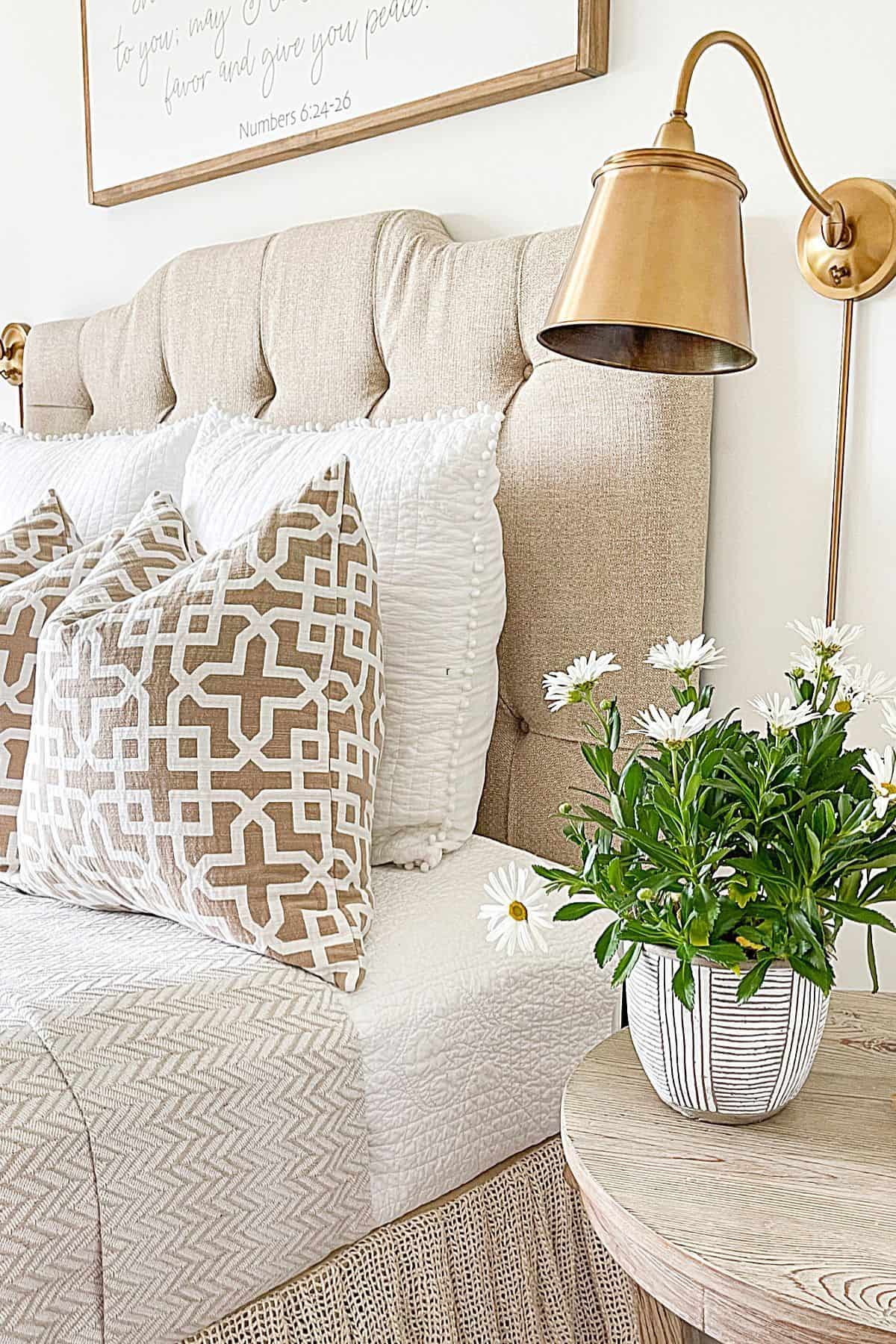
Our two guest bedrooms work exclusively as bedrooms, since we have family and friends visiting regularly. We keep them fairly stripped down and free of our own belongings, so our guests never have to fight for drawer or closet space. One of the closets is quite large, so I keep our extra throw blankets there on hangers, which frees up storage elsewhere in the house.
In a smaller home, a guest room often does not get that luxury. It doubles as a home office, a craft space, or overflow storage the rest of the year. If that describes your guest room, a couple of these tips help keep that dual purpose in check.
- Clear one drawer at a time, not all at once. Spend a few minutes clearing out a single drawer guests are likely to use, in a dresser or nightstand. In a few days, tackle another. There is no need to turn this into a weekend project; a few minutes here and there are enough to get the room guest-ready without the overwhelm.
- Leave a few empty hangers ready in the closet. Push your own items aside and leave a handful of empty hangers in plain sight so guests know at a glance where to hang their clothes.
- Stock the nightstand drawer with the basics. A phone charger, a notepad, and a pen take two minutes to set out, making the room feel ready for anyone.
- Keep dual-purpose supplies in a few closed bins. If the room doubles as a craft space or office, corral everything into bins that close completely. Before guests arrive, they move out in a trip or two instead of a scramble.
- Strip the bed and start the wash right after guests leave. Toss the bedding in with a load of laundry, then let the bed air out for a day or two before remaking it for the next visitor.
🌿 TIP BOX: Add a couple of adhesive hooks inside the guest closet door. It takes just a few minutes and gives guests a spot to hang a robe or place a bag, so it never ends up draped over a chair or piled on the floor.
Bathroom
Our two guest bedrooms share a bathroom, and it is one of the easiest rooms in the house to keep organized. The linen closet just outside the door does double duty, holding linens for both the bathroom and the guest rooms, so keeping it organized takes care of two rooms at once.
- Zone the shared linen closet by category. Give bath towels, guest bedding, and toiletries their own shelf or basket. When everything has its own spot, grabbing what you need for the bathroom or a guest room takes seconds instead of digging.
- Keep a small labeled basket of guest toiletries. A spare toothbrush, travel-size shampoo, and a fresh bar of soap tucked in one basket means you are never caught without the basics, and guests know exactly where to look if they need something.
- Clear the counter down to the essentials before guests arrive. Hand soap and a couple of clean towels are all it needs. A clear counter reads as fresh and ready in seconds.
- Do a quick weekly stock check. Glance at toilet paper, soap, and towels once a week and top off anything running low. It takes just a couple of minutes and means you are never scrambling right before company comes.
- Empty the trash bin and swap the liner before every visit. It is a thirty-second habit that makes the whole room feel truly guest-ready.
🌿 TIP BOX: Roll hand towels instead of folding them and stand them upright in a small basket on the counter. It looks tidy and lets guests grab one without unstacking a pile.
Home Office
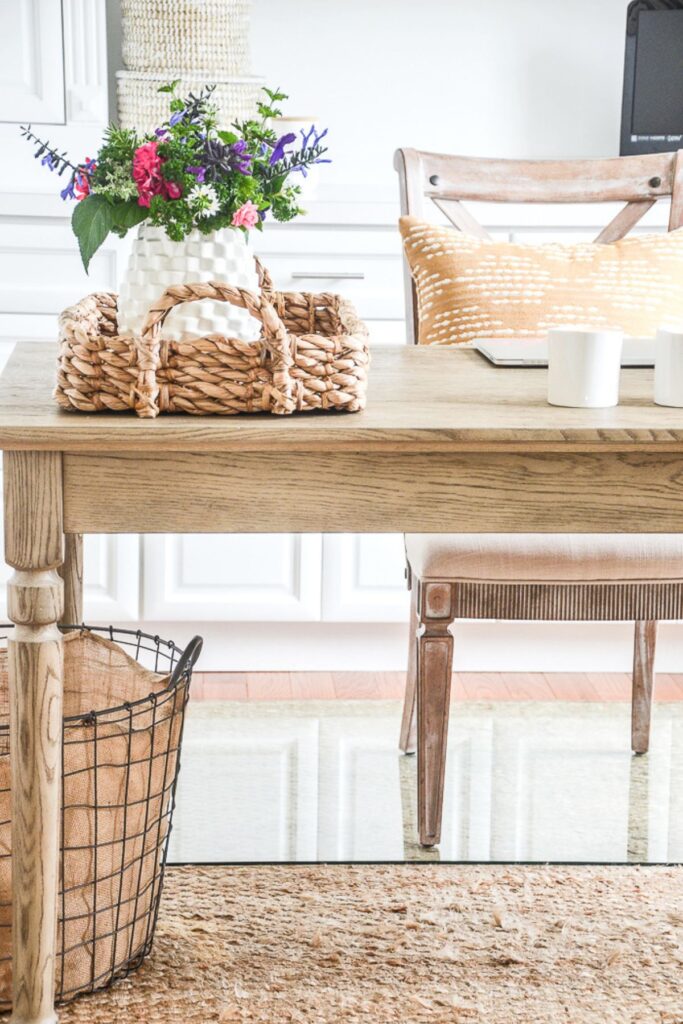
Our home office can easily become a dumping ground for everything. It sits right across from the foyer, so a basket full of things we have not put away, or do not want to run down to the basement, makes a pretty poor first impression. Here are the five habits I rely on to keep our study as tidy as we can manage.
- Skip the catch-all basket entirely. A basket that collects stray items becomes exactly the kind of thing you do not want visible from the foyer once it fills up. Instead, when something drifts into the office that belongs elsewhere, walk it back to its room right then. It takes less than a minute and means nothing ever has the chance to pile up in the first place.
- Sort mail and paper the moment it lands on the desk. Keep three simple spots, one for action, one for filing, one for recycling, right on the desktop. It takes seconds per piece of mail, rather than one big pile to deal with later.
- Clear the desktop completely before you leave the room. A bare desk at the end of the day means the office greets you calmly the next morning, and it greets anyone glancing in from the foyer just as well.
- Use drawer organizers for loose supplies. Pens, clips, and sticky notes multiply fast in a drawer with no divisions. A simple organizer keeps them contained so the drawer never becomes a catch-all.
- Do a two-minute foyer check. Since our office is visible from the foyer, a quick glance before guests arrive- closing a drawer, straightening the chair, tucking away a stray folder- keeps the whole entry looking put together.
🌿 TIP BOX: A small decorative box on the desk can hold cords and chargers out of sight, so the surface reads as calm even when electronics are close at hand.
Laundry Area
Our own laundry room is really a pass-through between our foyer and kitchen, with the washer and dryer on one side and our pantry on the other. Your laundry space probably looks nothing like ours, but these habits work no matter what kind of laundry area you have.
- Move a load of laundry along as soon as it finishes. Do not let wet clothes sit in the washer, or a dry load sit in the dryer. Transferring or folding right away takes a couple of minutes and keeps laundry from piling up or wrinkling.
- Keep detergent and supplies in one small caddy or bin. Corral pods, dryer sheets, and stain treatment together in a single spot near the machines so you are never digging through a cabinet mid-load.
- Sort your laundry when you change your clothes. Use a laundry-sorting hamper so sorting happens the moment clothes land there, rather than becoming a project on wash day.
- Clear off the top of the washer and dryer. That surface fills up fast with stray socks, lint rollers, and half-empty bottles. A quick sweep to put things back in their spot keeps the room feeling done rather than mid-project.
- Empty the lint trap and wipe it down after every load. It takes seconds, keeps your dryer running efficiently, and is one of those small habits that is easy to skip and quick to catch up on.
🌿 TIP BOX: A magnetic hook attached to the side of the washer or dryer gives you a spot to hang a lint roller or small brush right where you need it.
Your Small Home Organizing Questions, Answered
A few questions come up repeatedly when readers ask about organizing a smaller home. Here are the answers I find myself sharing the most.
Start with one flat surface, a counter, a table, or a dresser, and clear it completely. That one change often has the biggest visible impact and gives you momentum to tackle the next spot.
Realistically, every day. A small home shows clutter fast, so a few minutes here and there, clearing counters, putting things away, and doing a nightly reset, keep things from piling up. A deeper seasonal check, done twice a year, covers closets and storage areas that do not need daily attention.
Not at all. Many of the habits that make the biggest difference are free, like giving items a home, clearing surfaces nightly, and putting things away immediately. Storage pieces help, but the habits matter more.
Since every room can be seen from another, focus on the surfaces at eye level first: counters, tabletops, and coffee tables. A tidy sightline between rooms makes the whole space read as organized, even if a drawer or closet still needs work.
Giving every item a designated home. When something has one clear spot, putting it away becomes automatic rather than a decision each time, and that habit alone prevents most everyday clutter.
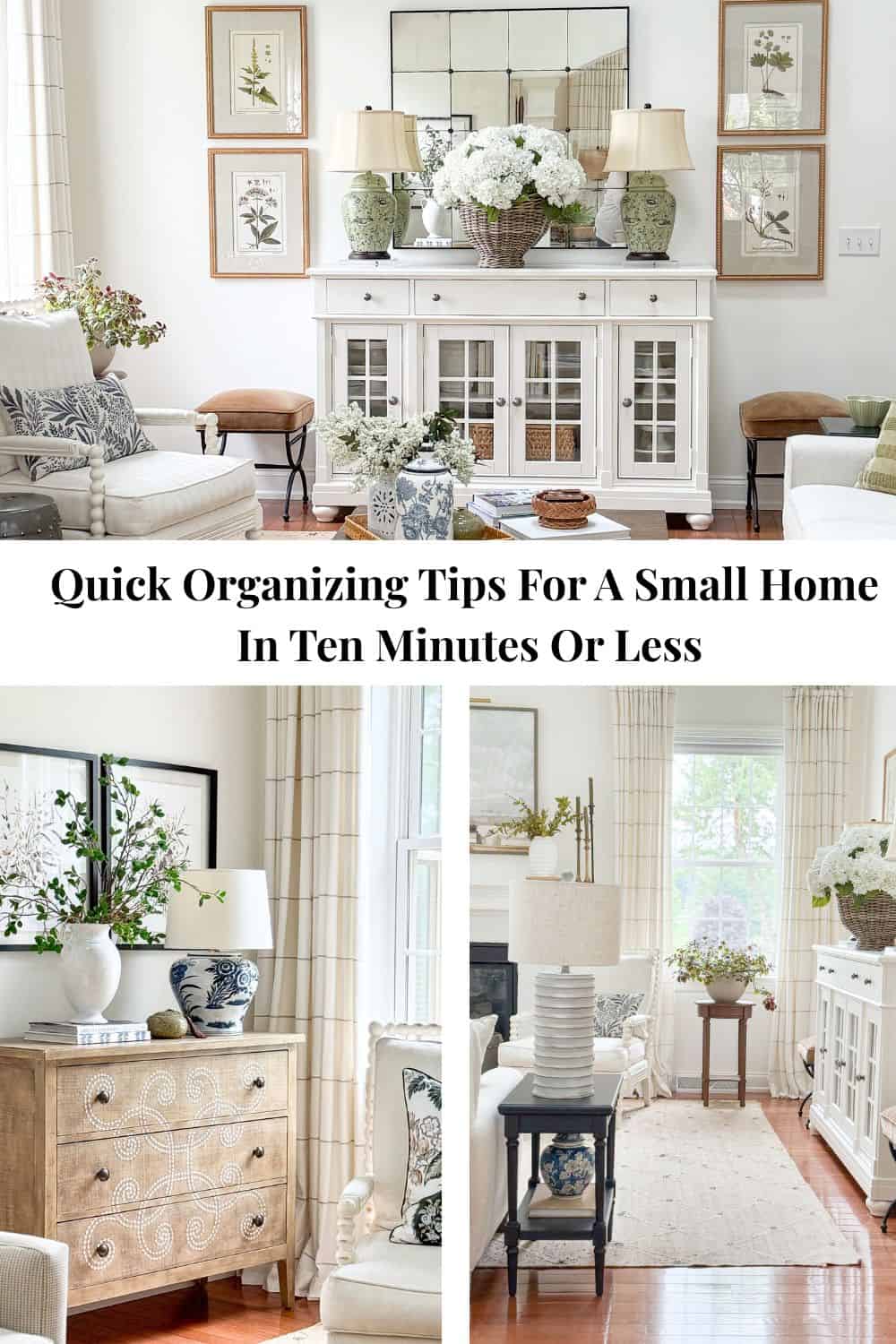
Organizing a small home is not about a single big project; it is about a handful of small habits that you repeat often enough that they become second nature. From clearing the kitchen counters at night to giving every item in the entryway a home, none of these ideas take more than a few minutes, but together they add up to a home that feels calm and put together, even with an open floor plan where every room is on display.
Our home has taught me that a little consistency goes a lot further than a big overhaul ever could. I hope these tips help your home feel just as organized, no matter its size.
Happy organizing, friend…


I do better with pictures as well as captions – it sounds as though you have tons of great ideas, but I need to see them in action!!
That would take more time than the hours in a day!
Thank you for continuing to send us blogs with interesting content! I find that a lot of the bloggers I used to follow are now simply advertising new things to buy. Your decorating style is very beautiful, simple and inspiring. It often gives me ideas and I love the philosophy of shopping your own home. Please continue, yours is one of the only decorating blogs I am still reading.
How sweet Monique.I love sharing our home and tips to help my readers.
LOVE these photos!!!
Thank you Rose Marie.