Why Beautiful Transitional Style Works In Almost Every Home
Transitional style blends classic and modern elements. Learn how to create a fresh, upscale, and versatile look for your home.
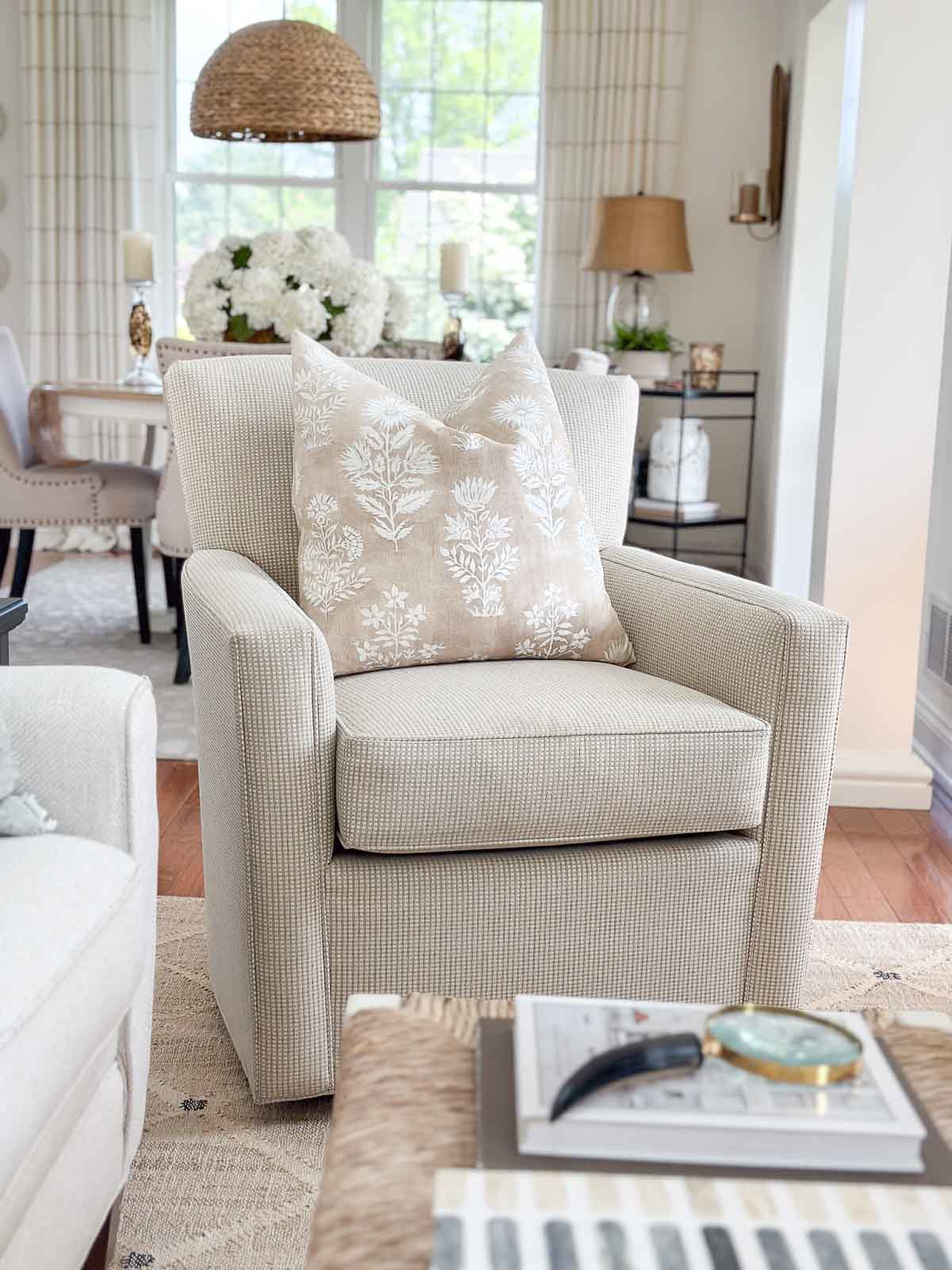
Welcome to Decorating Week! I’m revisiting and updating some of the most helpful and loved decorating posts on the blog. These are the kinds of posts that walk you through how to decorate in a thoughtful, stylish way. You’ll find ideas you can put into practice right away, and things that will make you a better decorator over time, too.
Decorating Week is also part of a bigger six-week series I’m calling Decorating School. Every week, I’ll share one or two important posts filled with practical tips, step-by-step help, and a fresh perspective on the things that matter most in home decor. Think of it as a friendly, hands-on decorating course. And just between you and me, there’s a surprise for everyone who sticks with it through all the Decorating Week and Decorating School posts!
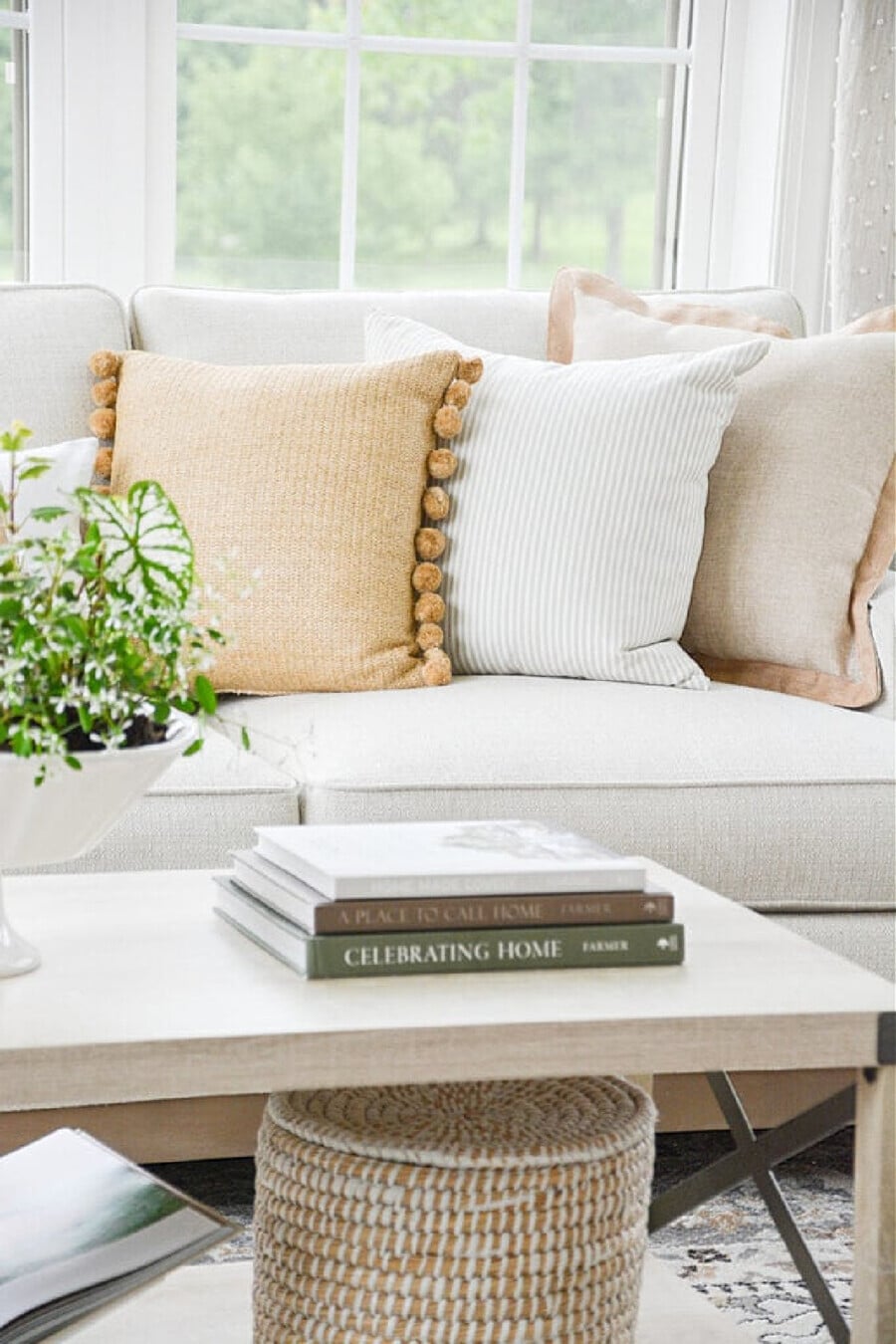
Let’s get started with today’s topic…
I get asked all the time, “What’s your decorating style?” My answer is always the same. It’s like vanilla ice cream. Simple, versatile, and it goes with just about everything.
My style is Transitional, and you might find you lean that way too. It’s one of the most popular styles for good reason. It mixes traditional charm with modern sensibility in a way that feels balanced and beautiful. It’s the best parts of several styles all working together in one home.
Transitional decor draws inspiration from a range of styles, including Traditional, Modern, Midcentury, Farmhouse, and more. But it does it in a way that feels polished, not pieced together. It gives a home a look that is updated yet timeless, which I always try to create in my spaces.
If you’ve ever thought, “I like a little of this style and a little of that one,” you might already be decorating in a Transitional style without even realizing it.
What Is Transitional Style
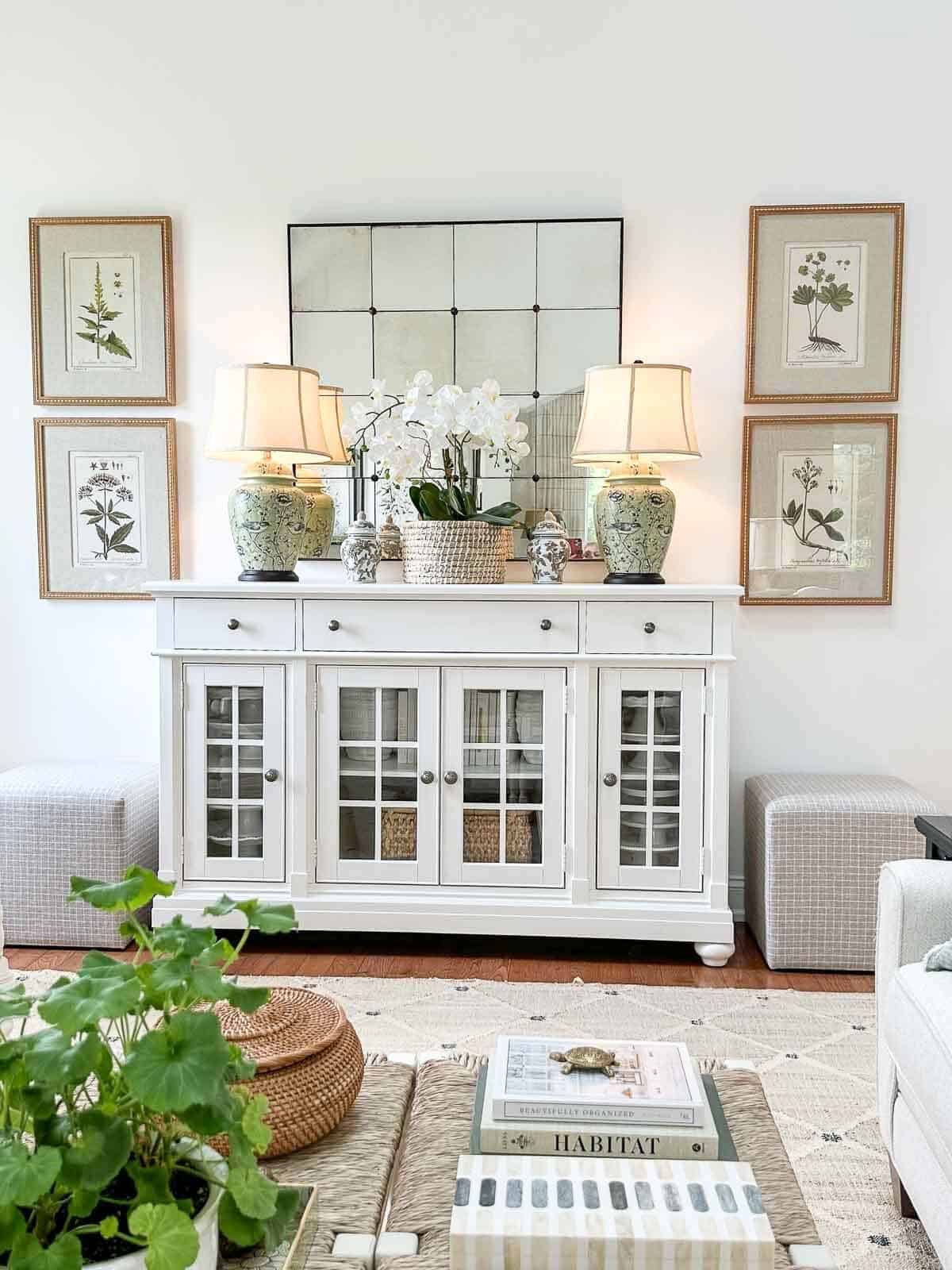
Transitional style is what I like to call a superstyle. It’s one of those decorating styles that can include a little of this and a little of that, and it still works beautifully. It’s like a big umbrella that covers a handful of other styles, all coming together in a way that feels cohesive and collected.
This style mixes traditional and contemporary design in a way that feels easy and timeless. It’s not trendy or overdone. It’s clean, comfortable, and pulled together without looking too matchy or too modern.
What I really love about Transitional decor is that it’s built on classic style. These are the kinds of things that look good year after year. You can mix in a few newer touches or a fun piece here and there, and it still feels grounded.
This style makes decorating less about rules and more about balance. If you appreciate the charm of traditional design but also prefer a simple, less fussy look, the Transitional style offers the best of both worlds. It allows you to create a space that feels both fresh and familiar at the same time.
A Good Working Description Of Transitional Style
Transitional style mixes traditional and modern elements in a way that feels timeless, clean, and comfortable. It uses neutral colors, simple lines, and a balance of textures to create a fresh but classic look that works in almost any home.
How Did Transitional Style Come About
Transitional style came about when decorators and homeowners started blending what they loved from different styles to create something that felt more personal and practical.
In the 1950s and 1960s, modern design with clean lines and minimalist furniture gained popularity. But for many, that style felt a little too stark. People missed the warmth and comfort of traditional decorating, but they also liked the simpler, less formal feel of modern spaces.
So, the idea to mix the two began to take hold. Instead of choosing one look or the other, decorators started combining classic furniture with more updated finishes and contemporary accents. The result was a look that felt familiar, but not outdated. Fresh, but not cold.
This shift also brought in a more neutral color palette. Those softer tones helped tie everything together and made it easier to mix different styles without clashing.
Over time, this blend evolved into its own distinct style—what we now refer to as Transitional. And because it leaves room for interpretation, it has continued to evolve and adapt to the changing times. You can still spot a Transitional space because it always comes back to a few key ideas: timeless pieces, a neutral foundation, comfort, and balance.
That is what makes Transitional style so smart and livable. It works with how people really live and gives a home that collected, curated look without a lot of effort.
5 Core Principles To Follow Closely
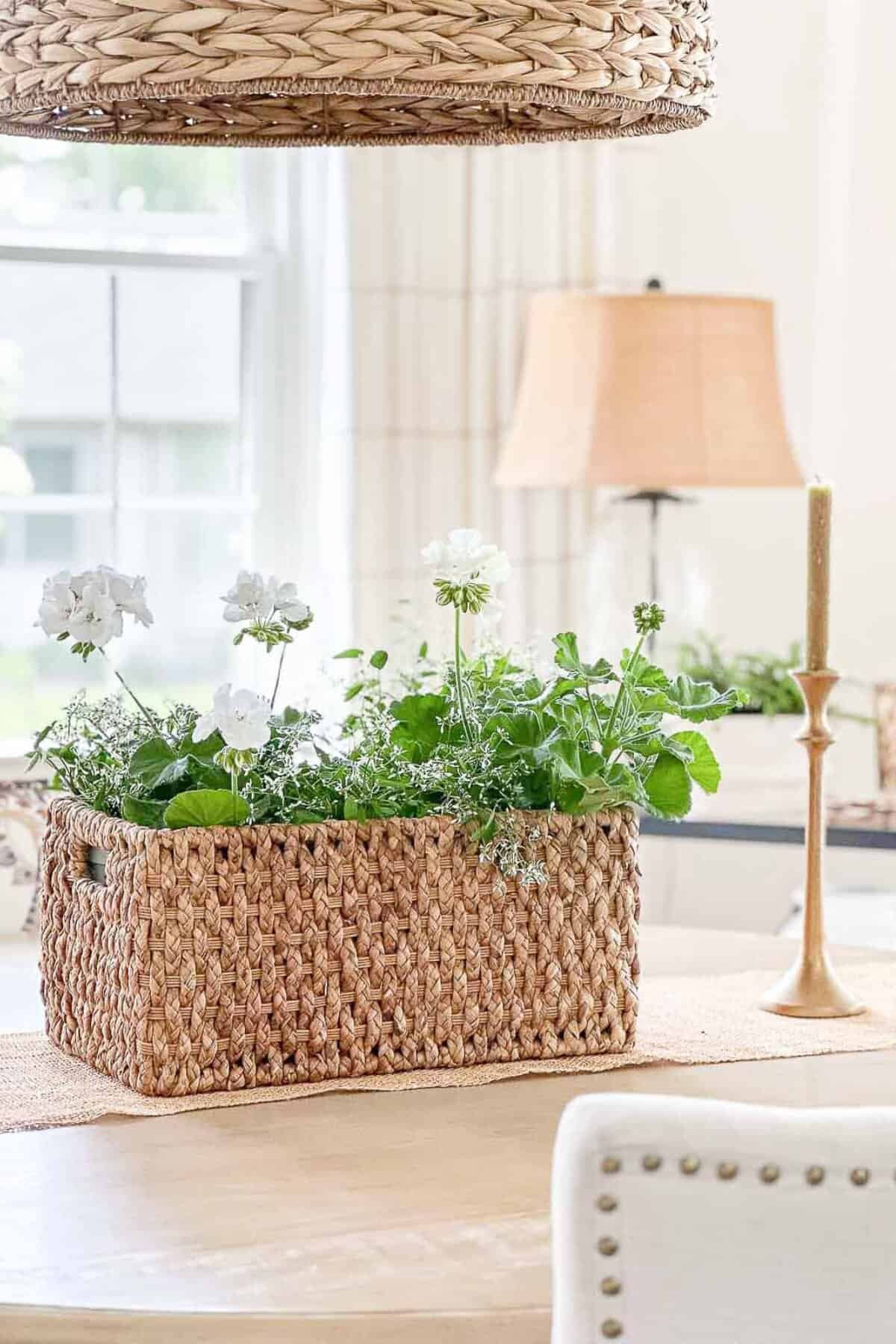
Transitional style gives you some room to mix and match, but it also has a few important rules that help hold the whole look together. These are the five core principles I always try to follow when decorating in this style.
You can break a few decorating rules here and there and still have a beautiful space, but Transitional style really works best when you stick to these guidelines. They are what make the style feel polished, balanced, and comfortable.
Let’s go through each one together.
Choose A Neutral Color Palette
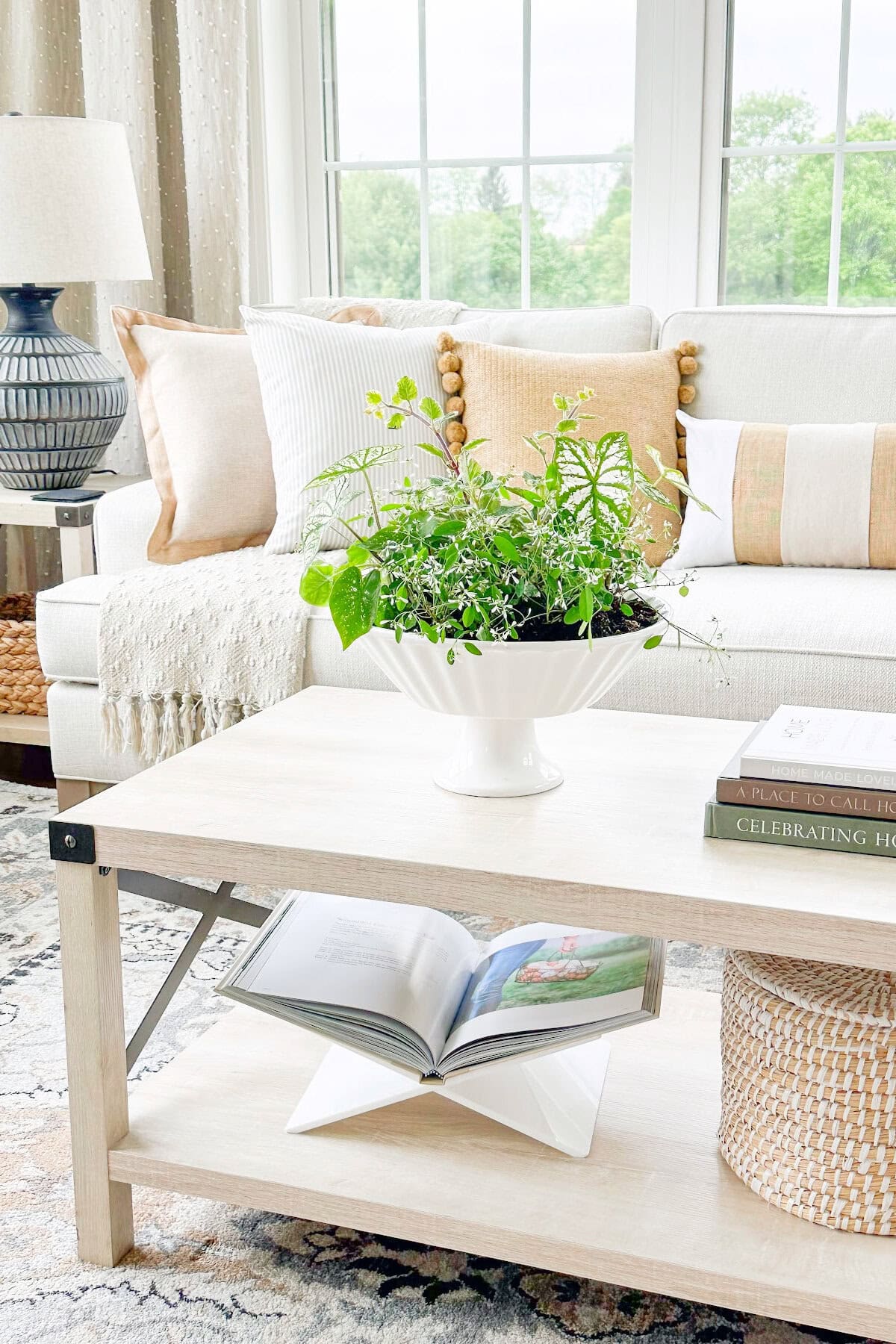
One of the easiest ways to identify a home with Transitional style is by its color palette. A neutral color palette is quintessential to this style. Think soft whites, beiges, creams, bisques, grays, greiges, tans, browns, charcoals, and even black.
There are countless hues, tones, and shades to choose from within a neutral palette.
When choosing a color palette, remember to
STAY IN YOUR LANE.
These are easy words to remember! What I mean is, choose a color palette and don’t veer off into a multitude of other colors. This is so important when considering transitional interior design!
Choosing a neutral palette creates a cohesive, put-together, and beautiful look. Adding too many colors often creates confusion, especially with Transitional style. If you love a little color, Transitional style can accommodate that, too. A single color, or perhaps two, can be used as an accent, but it should be used sparingly and judiciously.
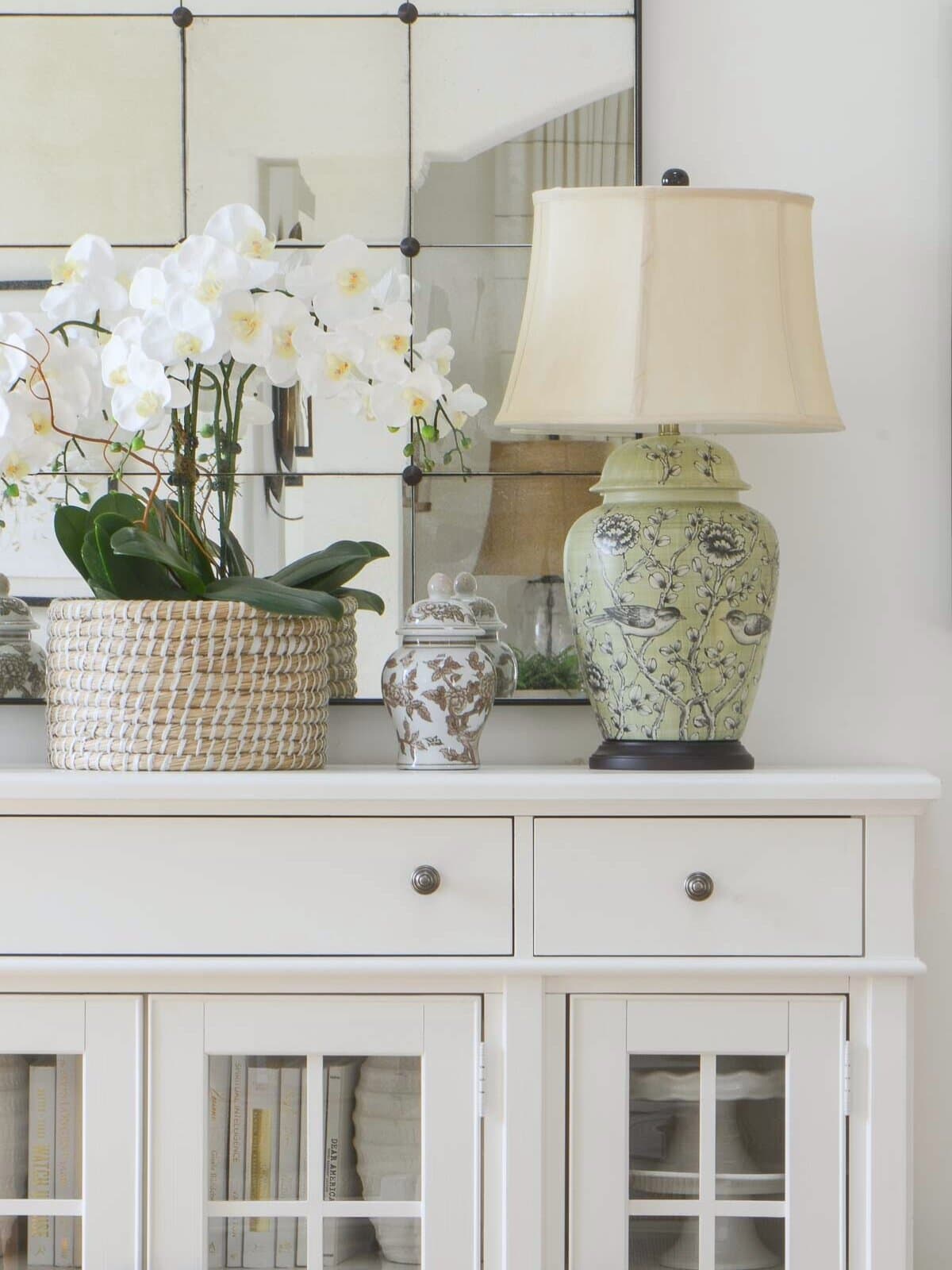
A unified color palette ties the whole home together, creating a seamless flow from room to room. This consistency is key to achieving the balanced and elegant look that defines Transitional style. So, choose your colors carefully and stick to them to maintain the integrity and beauty of your decor.
Texture And Pattern
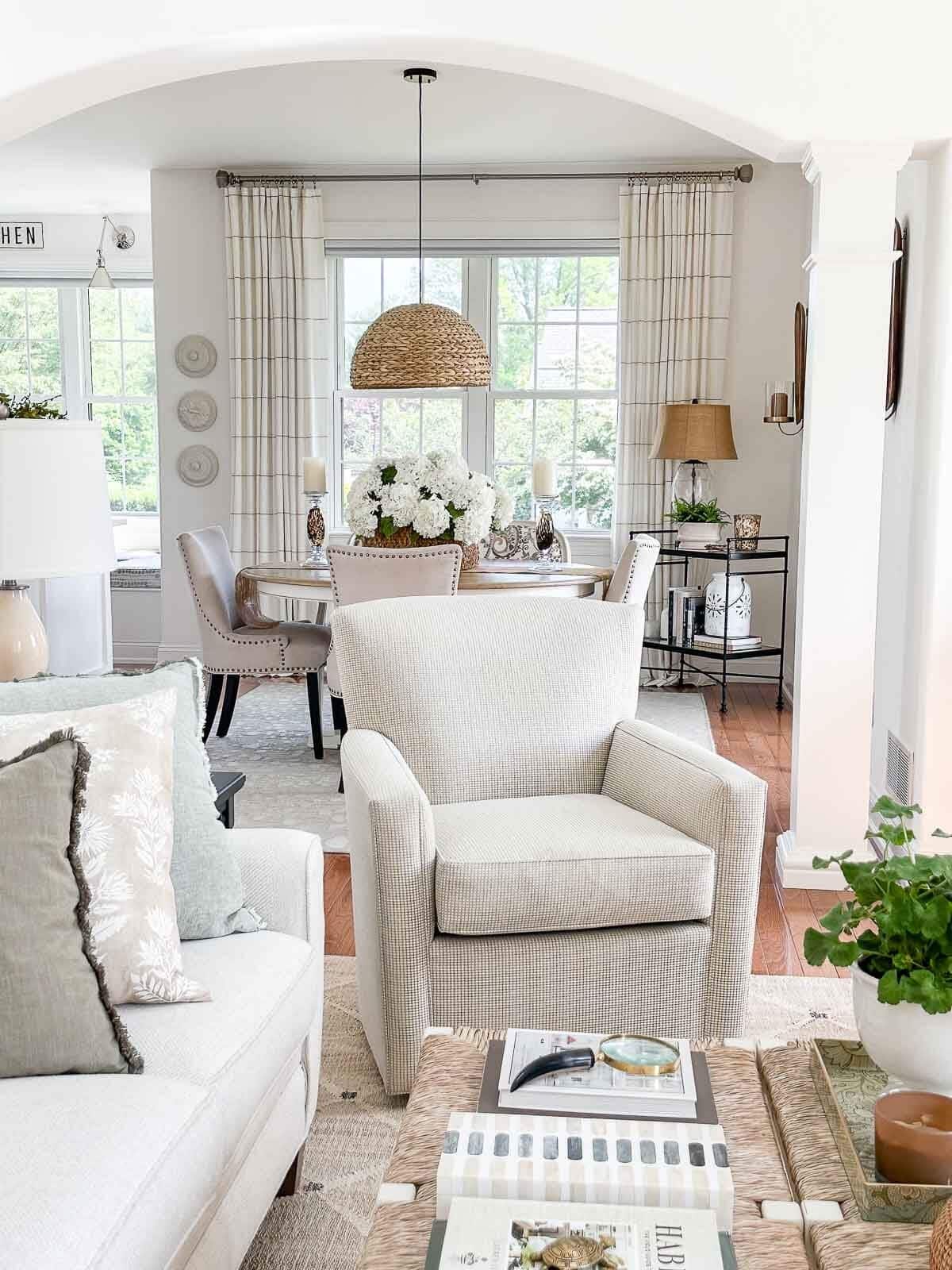
Transitional style favors fewer patterns compared to Traditional style, which often features many intricate patterns. Instead, Transitional style emphasizes texture over pattern to create visual interest and depth.
This doesn’t mean that patterns are completely absent in Transitional decor; they are simply used more sparingly. This versatile style has traded in an abundance of elaborate patterns for a more subtle yet effective choice: texture. By focusing on texture, Transitional style achieves a sophisticated and inviting look without overwhelming the space. This is especially true in smaller or downsized homes like mine.
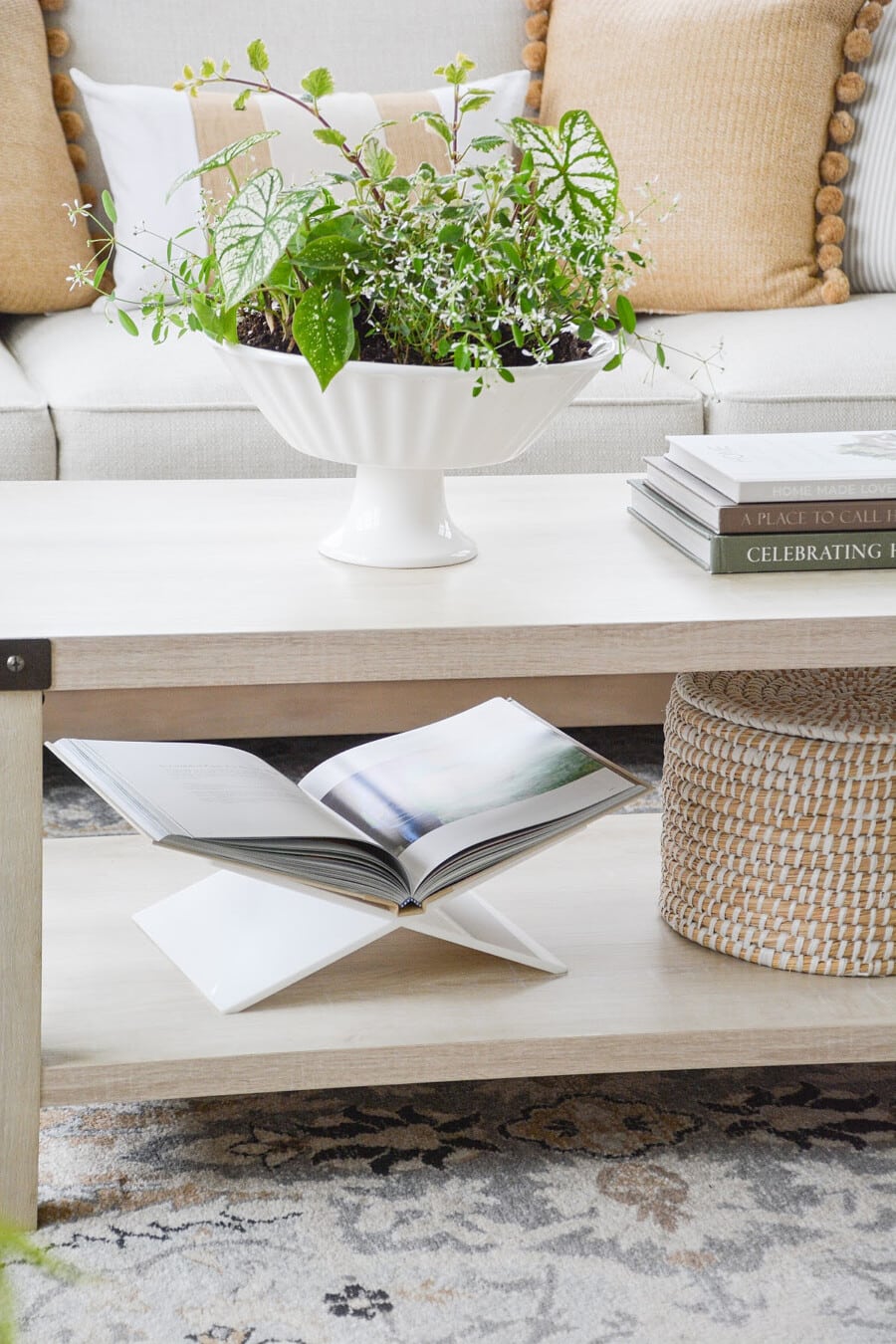
Texture is king in Transitional style! From woven textiles to natural materials like wood and stone, texture adds warmth and character to your home. Don’t be afraid to layer different textures. Combine a plush velvet sofa with a nubby sisal area rug in your living room, or pair a sleek leather chair with a rough-hewn wooden coffee table. These textural elements create a rich, multi-dimensional look that is both elegant and comfortable.
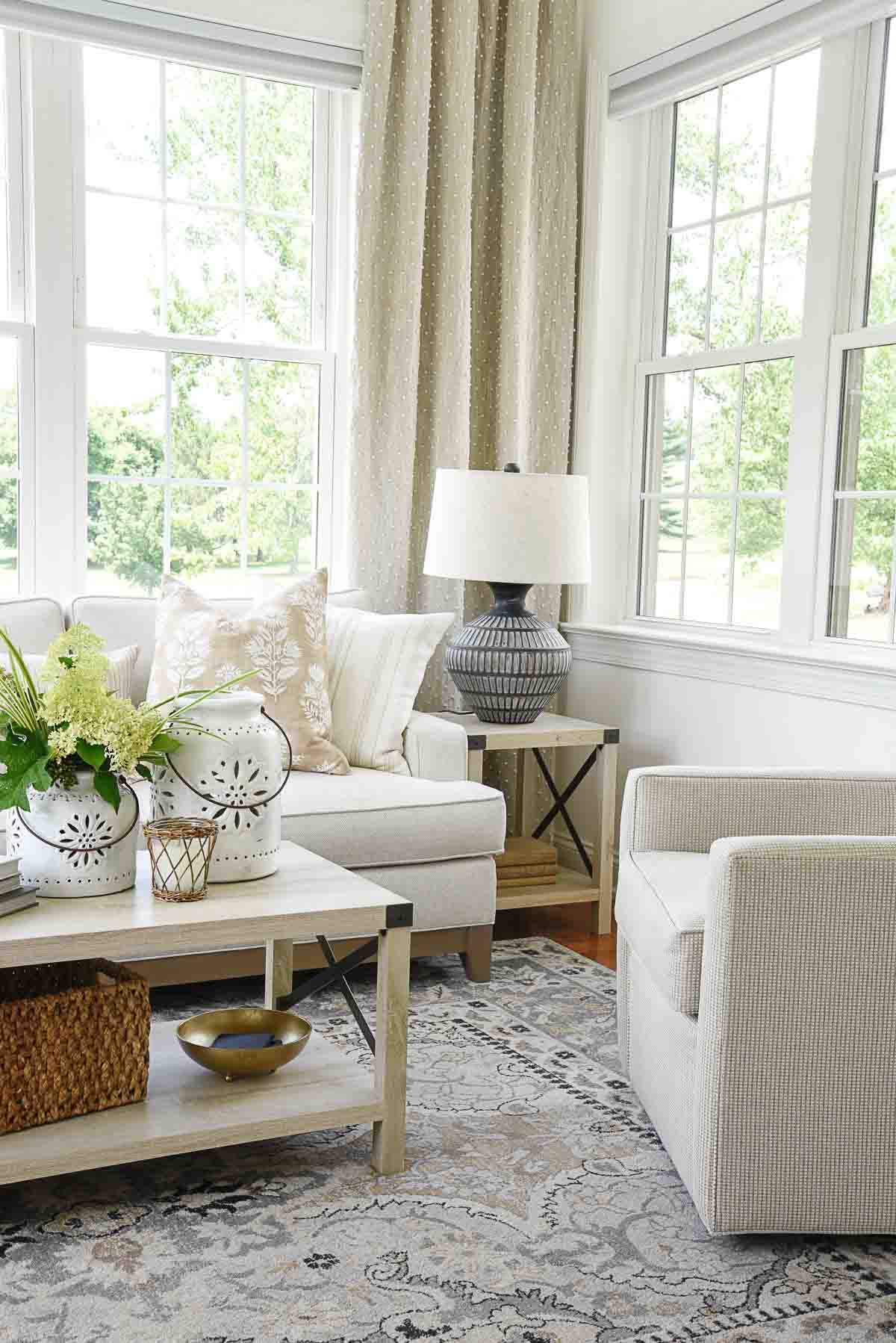
By prioritizing texture over pattern, Transitional style maintains a clean, cohesive look while still providing plenty of visual interest.
The Best Kept Designer Secret: What You Should Know About Texture will help you add depth and beauty to your home. It’s a design game changer hidden in plain sight.
Choose A Mix Of Old And New
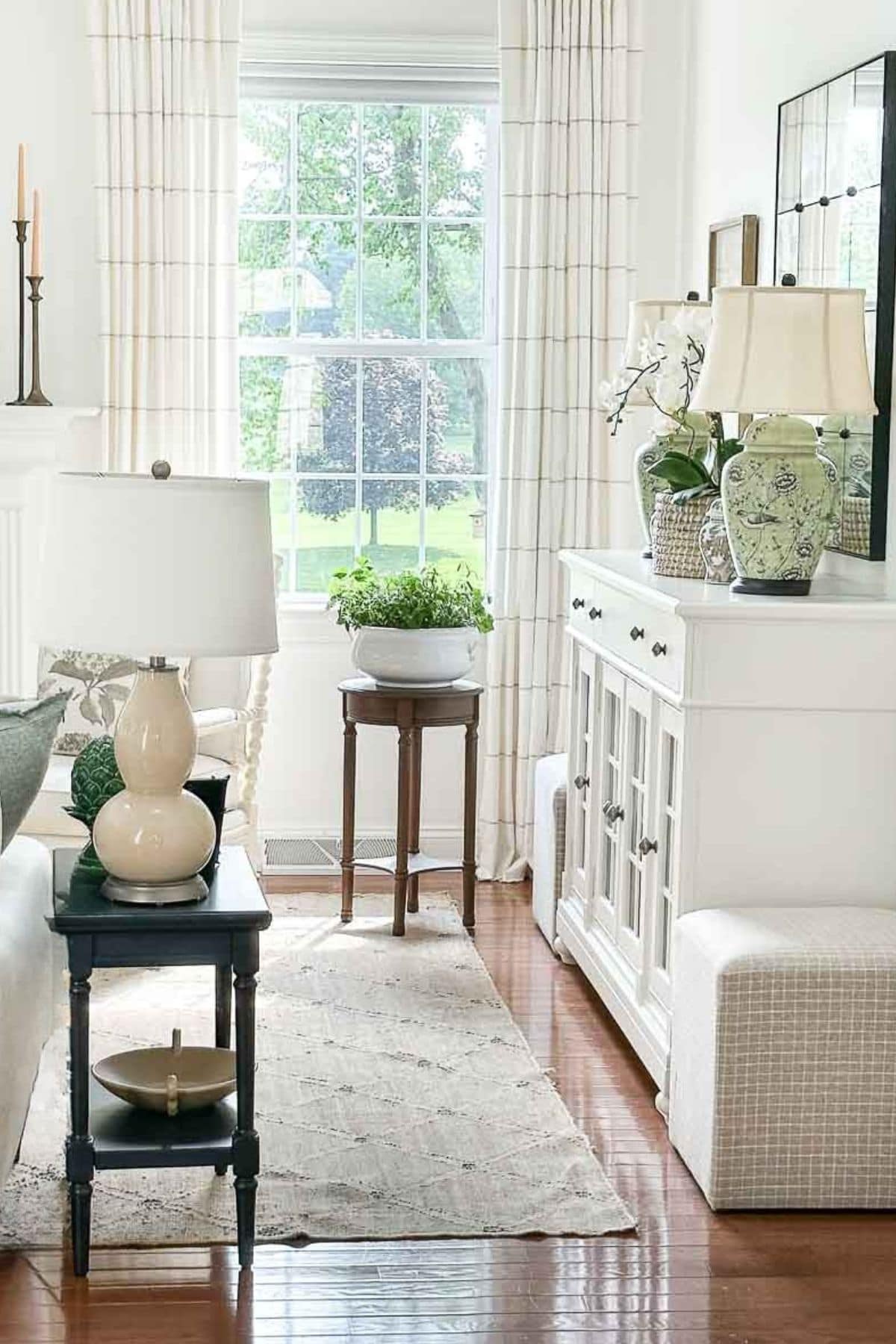
Transitional style shines when foundational furnishings are streamlined and refined. Think of it as putting your furniture on a design diet! Avoid big rolled arms, fringes, and heavy wood pieces. While Transitional style isn’t petite, its furniture lines are edited, giving it a lighter visual weight.
Understanding visual weight is so important for decorators to know. You can learn more about it in the post Why Knowing About Visual Weight Will Make You A Better Decorator.
Mixing old and new elements is what makes the Transitional style sing! It’s important to ensure that these pieces look proportional to one another.
Make sure to check out Why Scale, Balance, and Proportion Are Important In Decorating.
The goal is to blend old and new items seamlessly so they appear as though they belong together. This fusion creates a very attractive and cohesive look that embodies the essence of Transitional style. It’s all about striking the right balance and ensuring that the mix of old and new feels intentional and harmonious.
This is one aspect of Transitional style that is a work in progress for me.
Mix Styles, Not Eras
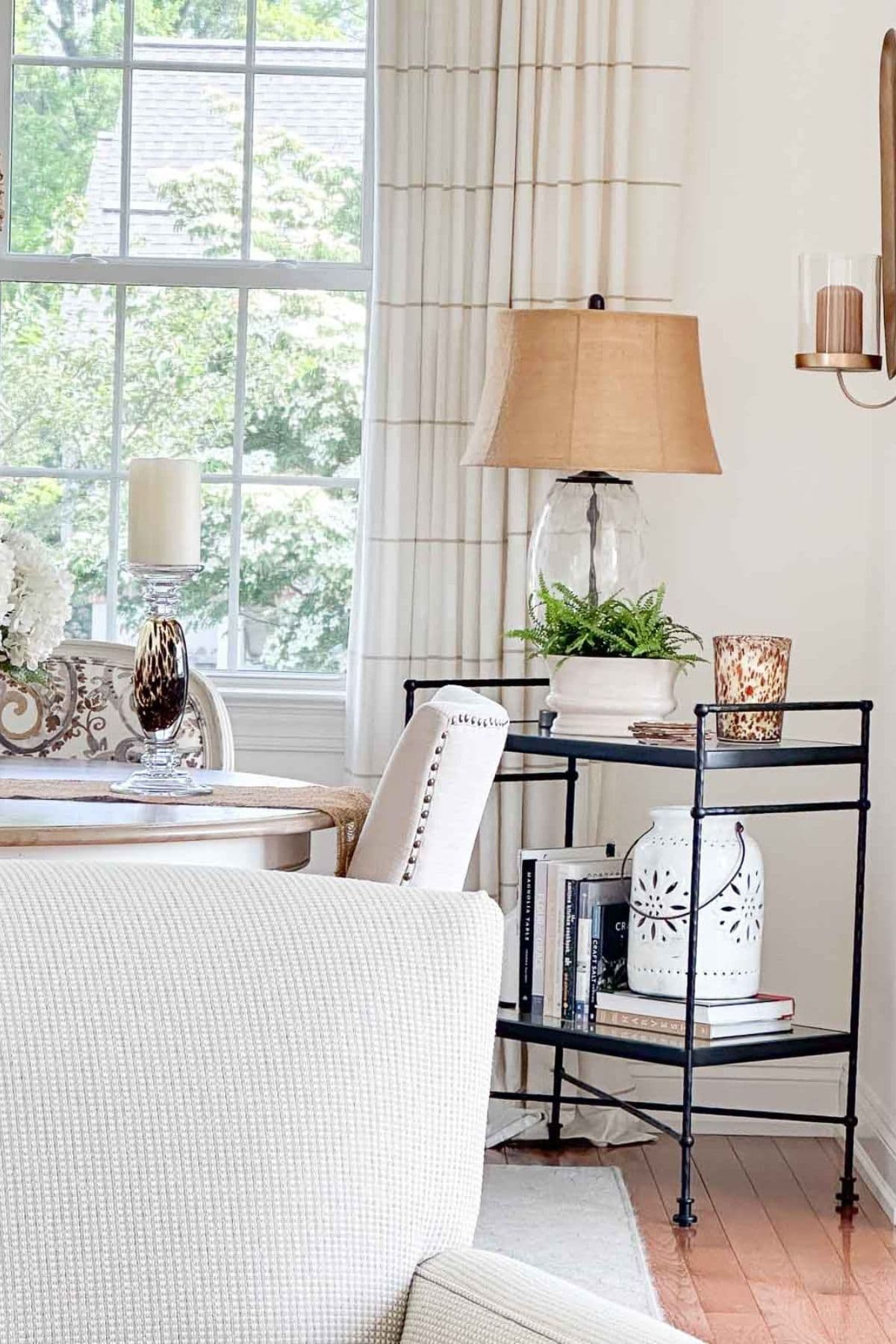
When decorating in a Transitional style, remember to mix styles, not eras. This means blending elements from different design styles, such as traditional and contemporary, to create a harmonious look. Avoid combining items from vastly different historical periods, like Victorian and mid-century modern, which can create a displeasing or chaotic appearance. Instead, focus on pieces that complement each other and maintain a cohesive aesthetic.
In a Transitional home, you want to ensure that your decor elements work together seamlessly. Think of pairing a sleek, modern sofa with a classic, timeless coffee table or combining contemporary art with traditional frames. This approach creates a balanced, inviting space that feels fresh, comfortable, and familiar. By mixing styles thoughtfully, you can create an upscale and comfortable look that defines Transitional style.
Keep To A Clean Aesthetic

This one can be a little tough, especially if you love to decorate every nook and cranny. But when it comes to Transitional style, keeping a clean look is key.
Less really is more here. That does not mean your home should feel bare or boring. It just means editing carefully so every piece has a purpose and a place. Transitional rooms feel open and inviting because they are not overloaded with stuff.
When I decorate, I always try to think of a curated look instead of a cluttered one. Choose meaningful items that work well together and give your room a bit of breathing room. It lets the pretty things you picked out really stand out.
Think curated instead of cluttered.
A clean aesthetic also makes your home feel calm and easy to live in. It is easier to keep tidy, easier to clean, and just feels more peaceful overall.
So, keep things simple. Let your style show through in thoughtful, personal ways, and resist the urge to fill every surface. Your home will feel more relaxed, and you will love how everything looks together.
Benefits of Decorating in the Transitional Style
There are so many reasons to love decorating in a Transitional style. It makes putting together a beautiful home a lot easier and provides you so much flexibility to work with.
One of the best things about this style is that it allows you room to mix and match without looking mismatched. You can blend traditional and modern pieces in a way that looks collected and polished. It is very forgiving, especially if you are still figuring out what you like.
Another benefit is Transitional style feels timeless. Because it’s decorating leans on classic shapes and neutral colors, it does not go out of style quickly. That means you can invest in furniture and decor that will last and still look good years down the road.
This style also creates a home that feels cohesive. When everything shares a similar color palette and a clean look, each room flows into the next. And it makes moving decor around from one space to another so much easier.
Most of all, Transitional style is comfortable. It is not too formal and not too stark. Transitional style feels welcoming the minute you walk through the door. It helps create a home that looks put together but also says, “Come in and stay a while.”
Related Posts
Common Questions About Transitional Style
What is the difference between Traditional and Transitional styles?
Traditional style focuses on classic, ornate designs with rich colors and detailed patterns. Transitional style blends Traditional elements with modern, clean lines and neutral colors for a balanced, updated look.
How does Transitional and Modern styles differ?
Transitional style blends traditional and contemporary elements with neutral colors and comfortable textures. Modern style features clean lines and minimal decor.
Is Transitional Style In Style?
Yes, Transitional style is in style. It combines timeless design with modern simplicity, making it a popular and versatile choice.
Related Post To Enjoy
How To Choose A Color Palette For Your Home
5 Steps For Finding Your Unique Decorating Style And How To Use It In Your Home
Understanding Decorating With The Color Beige
7 Designer Tips For Decorating With Neutrals
Shopping
Click the image to view the item.

Happy Decorating, Friends!

I love this article it was very helpful. I am working hard to neutralize my palette. That said is the zebra pillow in the chair available online?
Good morning! I started my “transition” to “transitional” several years ago. I started by eliminating several traditional pieces of furniture – wing chairs, heavy rolled arm chair-and-a-half, and a leather chair. Also, I eliminated the top of an Ethan Allen hutch – very colonial – and painted the base. The only expensive purchase we made was 2 new transitional leather chairs for our family room. Then the fun started – I started by getting rid of all my old bell shape lamp shades and now use white drum shades. We bought all new lighting in the dining room and kitchen. I can’t believe what an impact that made. My draperies are all creamy white throughout the entire house, with brushed gold rods so I didn’t have to do anything with them. I wanted to add more white in the decor so I started buying new white accessories throughout the house to create good flow. I also reframed some artwork in simple brushed gold frames, and eliminated some of the artwork. This process updated our colonial, and it also gave my husband and I a lift at the same time. We have just ordered a new small more contemporary patio set for 2, and this year’s floral theme on our small “dining” patio is all white.
I love transitional and rhat’s my goal to get farther into it. Does the whole house have to be transitional? I have some pieces that I love and they are not in the pale neutral color palette. Any way to do this?
Thanks for joining Tuesday Turn About link party this week Yvonne!
Such a pretty room, Yvonne! I absolutely love your throw pillow fabrics paired together! Gorgeous!!
Fixed,Kim!
Thanks so much, Kim!
Hi! I love this room and have a question about the rug in the living room. Can you tell me where you found it? I found it on the internet at one time, but can’t seem to locate it again. 🙂 Thanks!
Here you go Shelly:https://rstyle.me/+DF9OcYN_rlfzShtOr5HJgw
I so enjoy your blog and all of the inspirational pictures of your beautiful home! It really helps me to look at my own home with fresh ideas. God bless you for sharing your talent!
This is so wonderful to hear Janet! My passion is to help home decorators create a beautiful home.
I really like the transitional style concept. We live in Florida and it works well here
Great! I hope you found some ideas and inspiration here.
I love reading your blog and seeing pictures of your lovely house. It’s a great way to get a new perspective on my own home. Thanks for sharing your talents with the world!
Love the basket weave is it hard to keep clean? Getting ready to do my kitchen. Yours is a inspiration. ?
Like any natural stone backsplash with grout, it is a bit more work. My contractor put something over the backsplash to keep kitchen messes from penetrating it.
Reading this post.. I said to myself, “yes, my style is transitional, but mine is the dark side of transitional.” We live in the country, raise cattle, and lour home is a ranch style house. I live with ‘men-folk’ that work hard all day, outside… my cherished sofa is the Brooklyn Sofa by Pottery Barn in dark brown leather… purchased at the outlet years ago. My big furniture pieces are dark walnut wood… so how’d I get to transitional? My coffee table and side table are glass & antique brass. My lamps are Crome & glass with cream colored drum shades…. my color palette is brown, grey, cream and soft pink. I know it may sound horrible, but it’s actually beautiful and has converted a very masculine room into a room my feminine sensibilities feel at home in. You are an inspiration and I love reading your blog!
I LOVE that color palette. And decorating styles are interpreted in so many beautiful colors. the sofa sound amazing!
I’ve learned so much from your ideas visually posted! After updating 3 bedrooms, bath and kitchen in my childhood home built in 1953, we’re about to tackle a living-dining-entry area. My concern is keeping a fireplace as a focal point. I love its natural brown-red brick. However, its heavily varnished maple mantle is questionable. Oak floor will be refurbished. Wall bookshelf which is also varnished will be painted neutral same as walls. What suggestion do you have for the fireplace mantle?
Maybe the mantel should be the same color as your floors?
To put it simply, I adore the idea of a transitional style. We put it to good use in sunny Georgia.
What an informative post! I now have a name to my style. Transitional ????. We downsized to a condo in SW FL from the Northeast. Our place is a work in progress but getting there. I have been stopped in my tracks at times knowing something just is not jiving. I plan to print out these Principles going forward to use as my guide. After reading this post , I’ve identified where I need to go next.
You’re the best!
What a smart idea, Brendine! Happy dcorating and much joy and love in your new home.
I have followed you for awhile now, & have also read this article before. But somehow, it dawned on me this time thru that my style is actually transitional! I felt like I was be-bopping around, but it worked & I couldn’t understand why! Silly. I mix european farmhouse (a little french with curlicues in brushed gold in light fixtures & fireclay sinks), american farmhouse (black accents, a little black goes a long way & a couple of big word signs & repurposed old doors on the pantry & laundry room), old wood stained family furniture with painted pieces, chrome faucets, a neutral color palette with small doses of an accent color or two (blue is a given here, in very small doses & usually a bit of a 2nd accent color, depending on the season), lots of big windows, white white white with medium toned wood. I have fun “playing house”, changing things up, switching stuff from room to room. New downsize build, big permanent elements are the same throughout which makes things easy. Thanks for making me realize that I really have a “style”, not just a mishmash! I look forward to the next few weeks of articles. Wonder what else I’ll learn!
Hi Kathleen, I added so much new info to this post. Maybe Transitional style was explained better in this update. I’m thrilled you enjoyed this post and it created a lightbulb moment.
We have lived in our home in North Carolina for five years now. It has been a slow process changing to a transitional style. You have inspired me in so many ways and I appreciate how you share your talent as a decorator and spiritual gifts with us. I love your style and your home is beautiful! Now, if you could only come to my house and help me in person!!
I’m so happy to hear this Rebecca! This makes me want to share more.
Great post! Love transition style. Could you share a source for your upholstered chair. It is exactly what I am looking for.
The chair came from Ethan Allen. It’s very comfortable.
I absolutely love this interior! It’s wonderfully classy, bright, and truly timeless. This is a look that will genuinely never go out of style.
Thank you so much! What I love most is that it’s so easy to add and edit decor to create fresh looks.