Mixing Decorating Styles: 9 Tips For A Beautiful Home
Discover the art of mixing decorating styles to create a unique and cohesive home. Learn essential tips on using color, scale, and repetition to blend different designs easily.
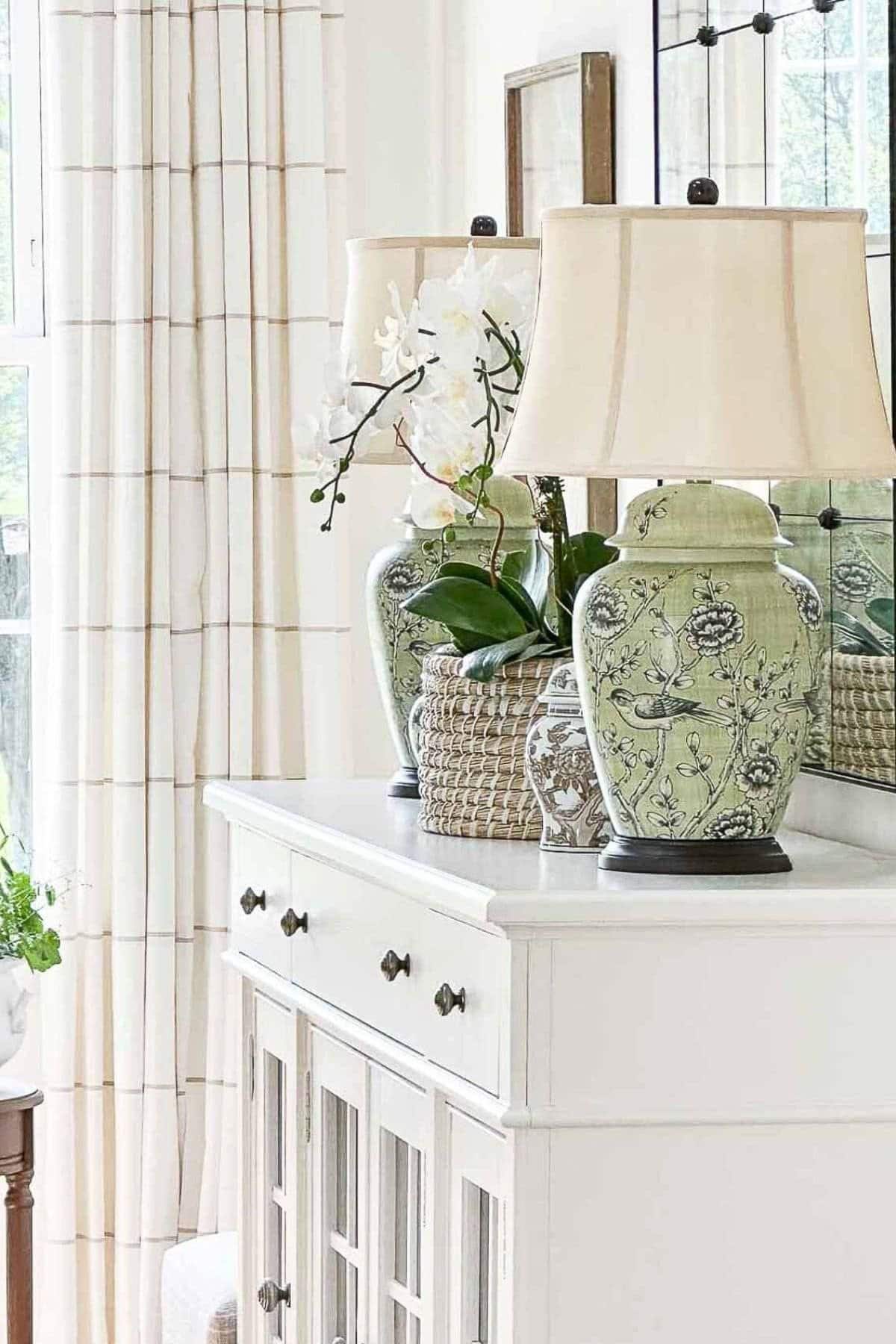
Decorating with more than one style can feel tricky, but with a few simple guidelines, it becomes one of the most rewarding ways to create a home that truly feels like you.
Most of us mix decorating styles, often without even realizing it. And just as often, we wonder if we are doing it the right way. With a few smart, practical tips, you can blend different styles so they feel intentional, cohesive, and full of personality.
Mixing decorating styles is a good thing. It adds interest, depth, and your personal stamp on a room. When done thoughtfully, it makes a home feel collected over time rather than decorated all at once. And a collected home is beautiful.
Blending decorating styles creates a home that reflects your story, your tastes, and the pieces you love. When styles work together, a room feels personal and welcoming, the kind of space you truly enjoy living in.
Let’s walk through simple, tried-and-true ways to mix decorating styles so your home feels balanced, cohesive, and unmistakably yours.
The 80/20 Rule: The Key To Perfect Style Blending
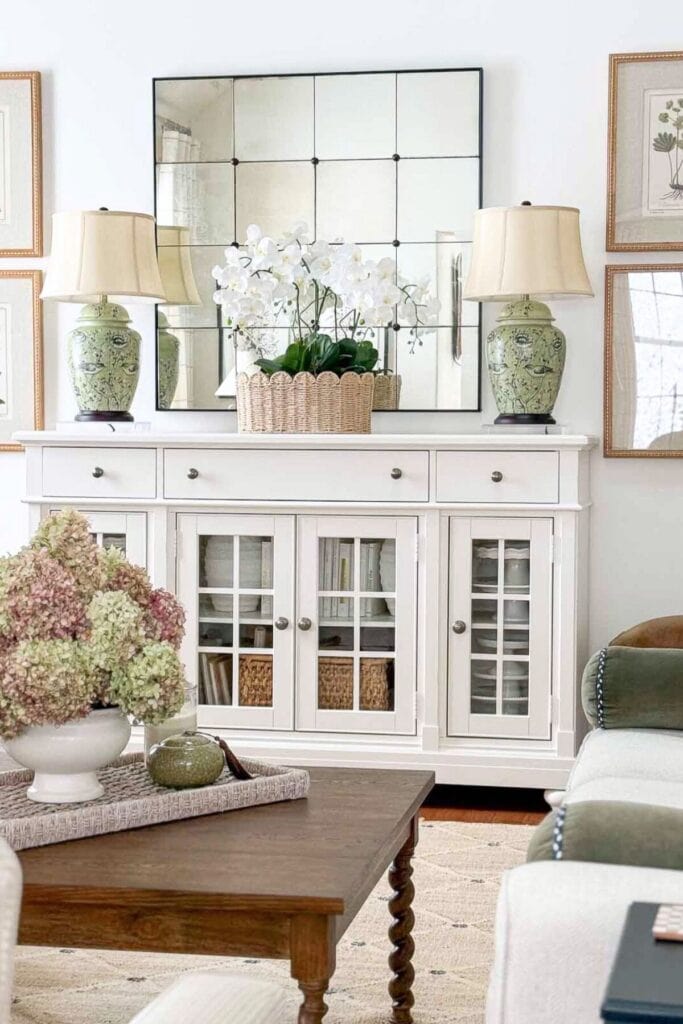
Mixing decorating styles becomes much easier when you follow the 80 20 rule. This simple guideline helps keep a room from feeling confusing or overdone.
The 80/20 Rule
About 80 percent of the room should reflect one main decorating style. This gives the room a strong, steady foundation and keeps everything feeling connected. The remaining 20 percent is where you can bring in another style you love. That smaller percentage adds interest and personality without taking over the room.
If you love more than two styles, you can also use a 70-20-10 approach. One dominant style, a secondary style, and a small accent style. This keeps the room layered but still easy on the eye.
The most important part of this rule is balance. Large furniture pieces and big investments should usually lean into your main style. Accent furniture, accessories, art, and textiles are great places to introduce secondary styles. This approach makes mixing styles feel intentional rather than accidental.
Choosing updated classic pieces for larger items is especially helpful. They serve as a backdrop, allowing other styles to shine without competing for attention.
The foundation furniture in my living room has truly stood the test of time. Every piece has been part of our home for more than a decade because I chose a classic, neutral look from the start. These pieces are the quiet workhorses of the space. They support every seasonal change and every small style shift without needing to be replaced.
Because the foundation is timeless, I can easily mix in other decorating styles through accent pieces, textiles, and accessories, keeping the room feeling fresh year after year without starting over.
Keep Your Color Palette Consistent
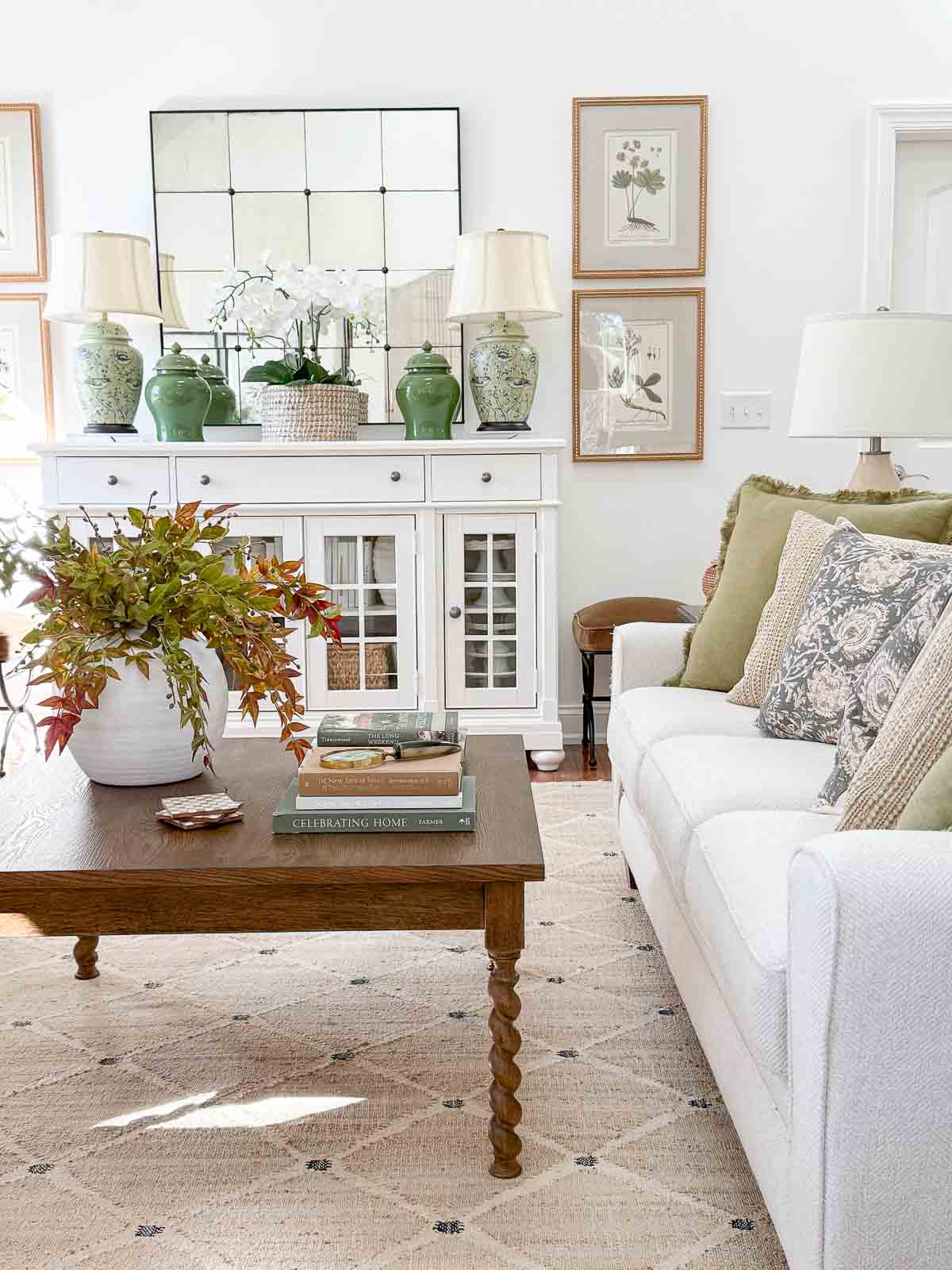
One of the easiest ways to mix decorating styles successfully is to keep your color palette consistent. When different styles share the same colors, a room feels pulled together instead of busy.
When a space includes more than one decorating style, color helps create connection and flow. Choosing three or four colors and repeating them throughout the room helps different pieces relate to one another, even when they come from different design directions.
For our home, a neutral color palette works best. The foundation throughout the house is creamy whites paired with warm beige and toasty brown tones. These colors work beautifully with greens and almost any other color I want to add in over time. Because the color story remains consistent, different styles can coexist easily.
This does not mean everything has to match. Instead, the same colors appear in different ways across furniture, artwork, lighting, and textiles. Repeating those colors helps the room feel intentional and comfortable.
Because I favor a tight color palette, I can move furnishings and accents from room to room when I want a fresh look. A lamp, pillow, or decorative object feels at home in multiple spaces, which makes updating a room simple and enjoyable. This makes decorating much easier, enjoyable, and successful.
Achieving Balance In A Mixed-Style Decorating
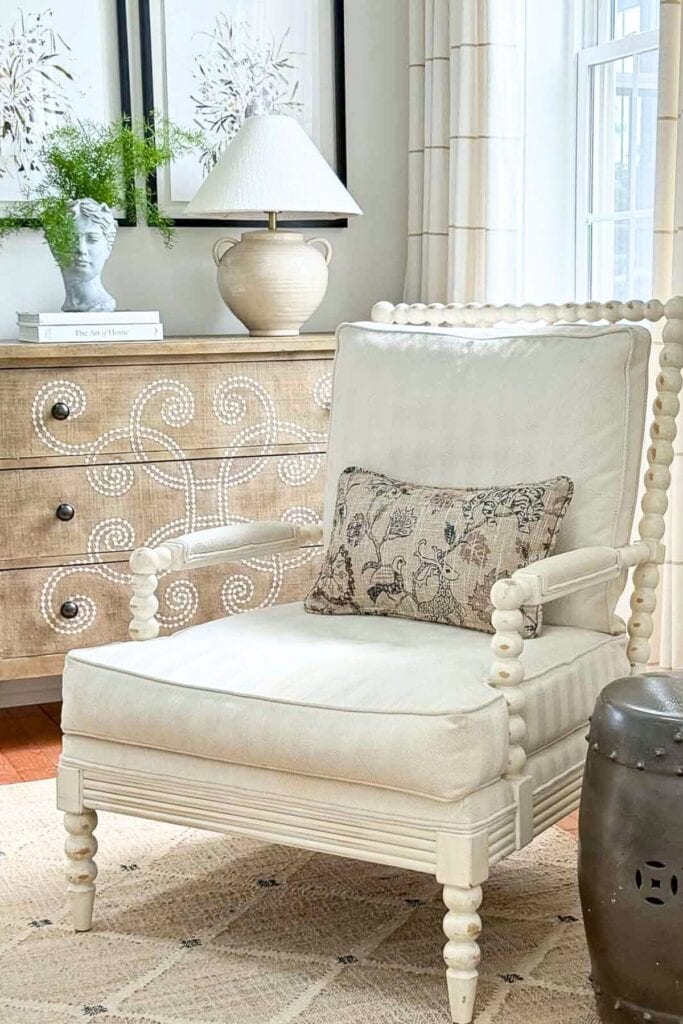
I think most of us can see and feel when something is off in a room. The first thing I always check is the balance.
Balance is one of the most important parts of successful decorating, especially when mixing more than one style. When balance is missing, a room can feel unsettled or visually heavy, even if all the individual pieces are beautiful.
Balance goes beyond furniture placement. It also includes how color, pattern, texture, and visual weight are distributed throughout the space. When these elements are thoughtfully spread out, the room feels comfortable and inviting.
When mixing decorating styles, look at how pieces relate to one another across the room. If one side has larger or darker items, check that there is something on the opposite side to visually balance it. This creates harmony and keeps the room from feeling lopsided.
Walls and floors matter too. Art placement, window treatments, rugs, and flooring all contribute to a room’s overall balance. When these elements work together, the space feels settled and complete.
A well-balanced room does more than look good. It feels welcoming and easy to live in, which is always the goal.
Why Balance Is Important When You Decorate will help you understand this key design principle and provide tips for applying it to create a beautiful home.
Scale And Proportion When Mixing Decorating Styles

Knowing how scale and proportion work will be a huge help when decorating any space in your home, and they become especially important when mixing different decorating styles. Once I understood the basics, decorating felt easier, and my rooms simply looked better.
Before that, I often sensed something was off but could not always explain why. Learning how scale and proportion work gave me a clear place to start and helped me make better decorating decisions with confidence.
Scale refers to how large an item is in relation to the room and the pieces around it. Proportion is about how items relate to one another. When both are in sync, a room feels comfortable and visually pleasing.
When mixing decorating styles, paying attention to size and visual weight makes all the difference. Larger furniture pieces need supporting pieces to avoid feeling isolated, while smaller items work best when grouped to create a more intentional look.
When the main furniture pieces are the right size and height, adding accent pieces from other styles becomes much easier. The room feels balanced, welcoming, and thoughtfully put together, even with a mix of styles.
Scale And Proportion: Your Key To Easier And Better Decorating is a must-read!
Repetition And Decor Styles
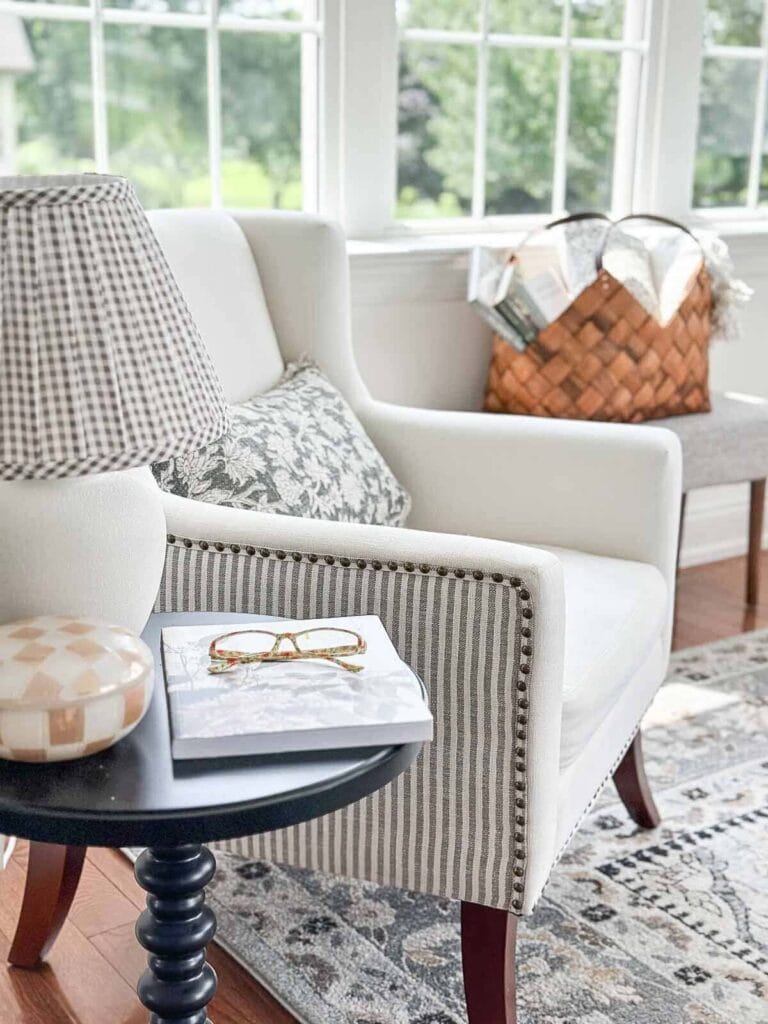
Repetition is one of the most useful tools when mixing decorating styles. It helps create connection so a room feels cohesive rather than random.
When different styles share repeated elements, the eye has something familiar to follow. Colors, finishes, shapes, or materials used more than once help link pieces that might otherwise feel unrelated.
Repetition does not mean using the same item over and over. Instead, echo similar elements throughout the room. A color can appear in artwork, lighting, and accessories. A material can show up in furniture, frames, and decorative accents.
Using repetition helps mixed-style rooms feel balanced, comfortable, and easy to live in. It is a simple way to make different decorating styles work well together.
Triangulation And Mixing Decorating Styles
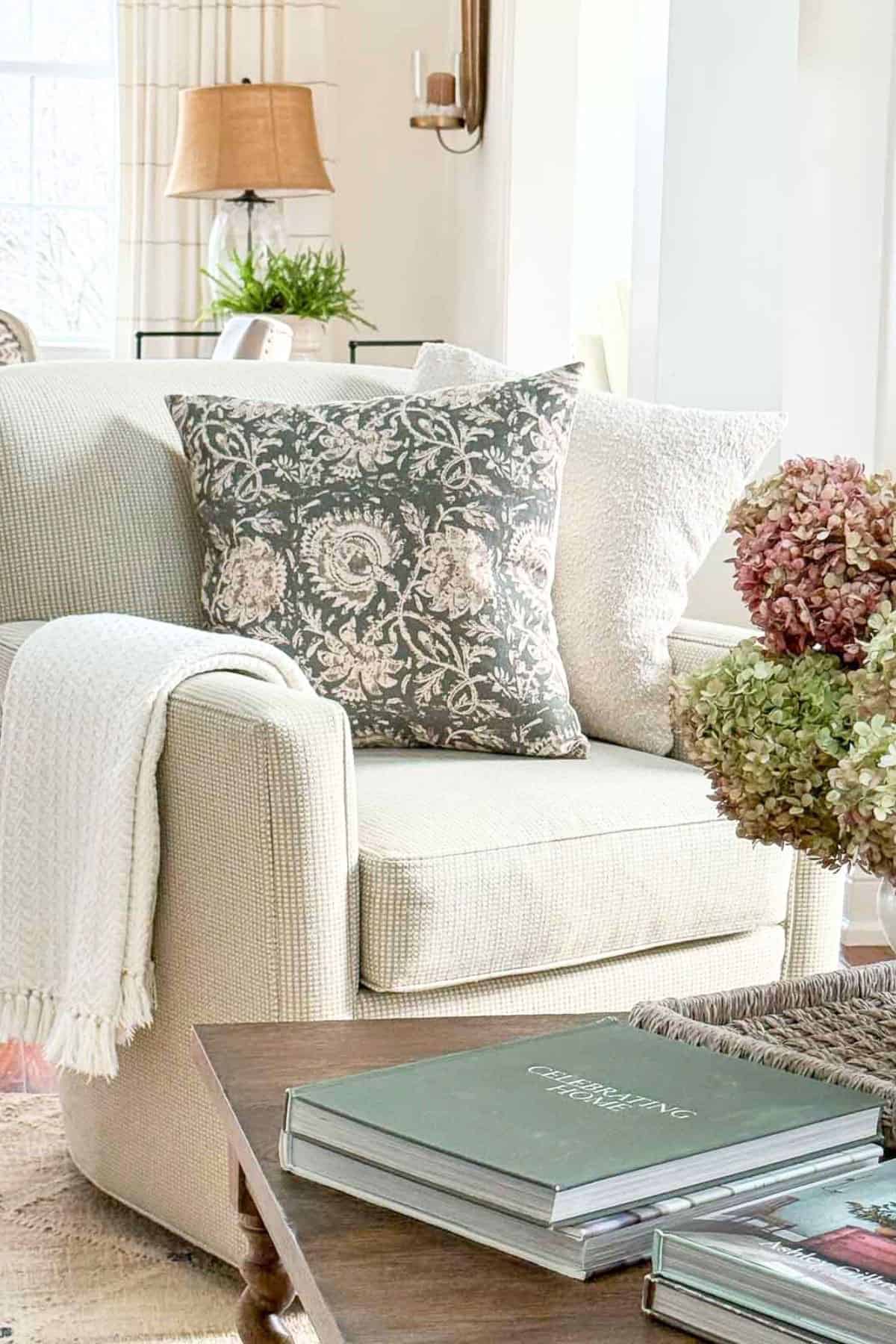
I like to think of triangulation as a close cousin of repetition. It sounds a bit technical, but it is really just another simple way to help a room feel balanced, especially when you are mixing different decorating styles. Instead of grouping similar items in one spot, triangulation spreads them around the room so the eye naturally moves from place to place.
Triangulation works especially well with accent decor. Lamps, artwork, accessories, and small furniture pieces can be arranged to guide the eye through the space rather than fixating it in one place.
Using triangulation makes it easier to mix decorating styles without the room feeling uneven. It helps everything work together in a way that feels balanced and comfortable.
Creating a Stunning Focal Point in Every Room
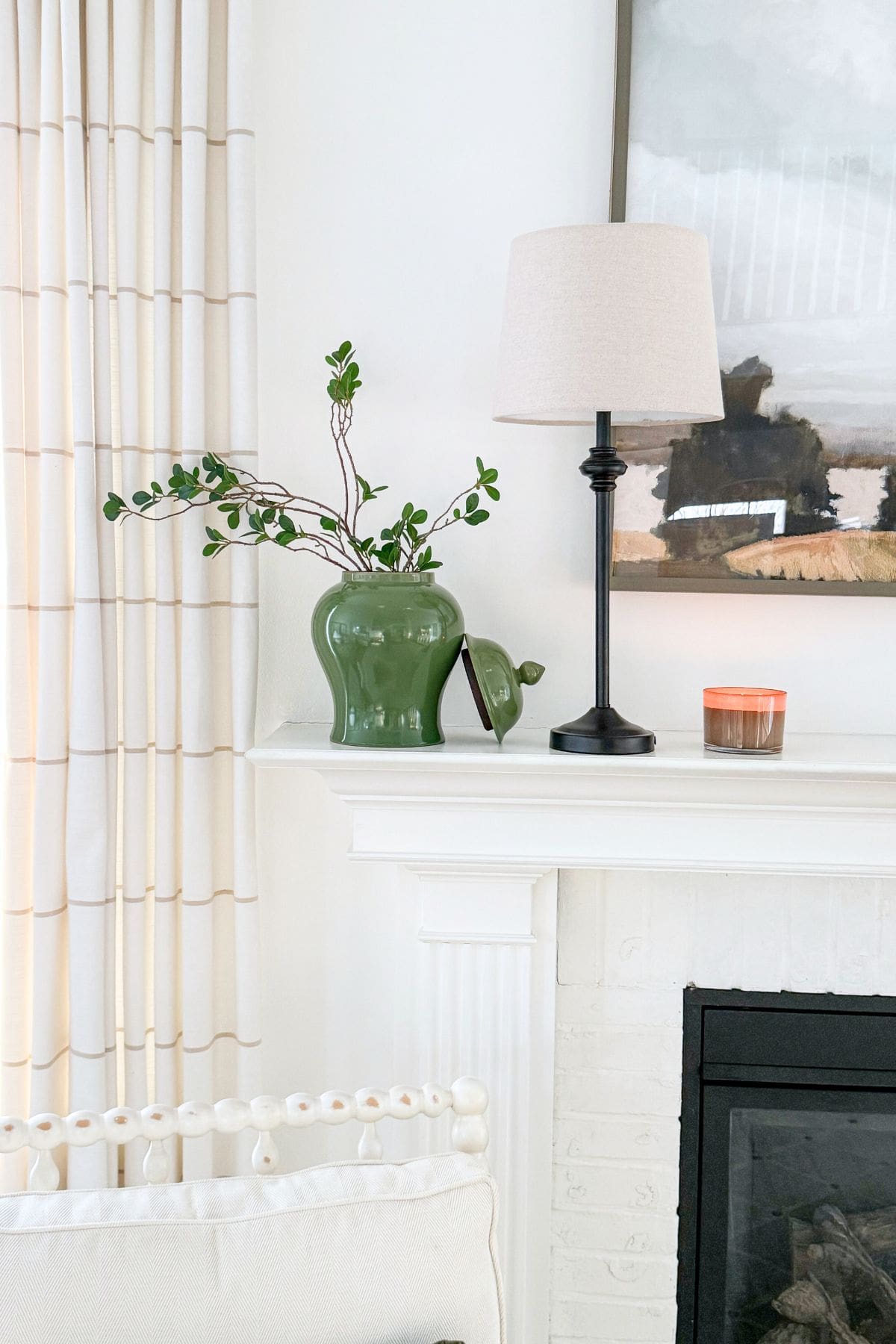
Every room needs a focal point. It is the first thing your eye is drawn to when you walk into a space, and it helps guide how the rest of the room comes together.
A focal point might be a fireplace, a large piece of furniture, a piece of art, or even a beautifully styled wall. When mixing decorating styles, a clear focal point gives the room direction and helps the different elements relate to one another.
Here’s something I have seen work again and again. A friend added a large Italian stone mantel to her living room. At first glance, it seemed like it might not fit with her traditional and French country pieces. But once it was placed on the main wall, it became the anchor of the room. Everything else began to fall into place around it.
A strong focal point allows you to blend decorating styles with confidence. It gives the room a sense of order and helps even unexpected pieces feel at home.
Different Decor Styles, But One Mood
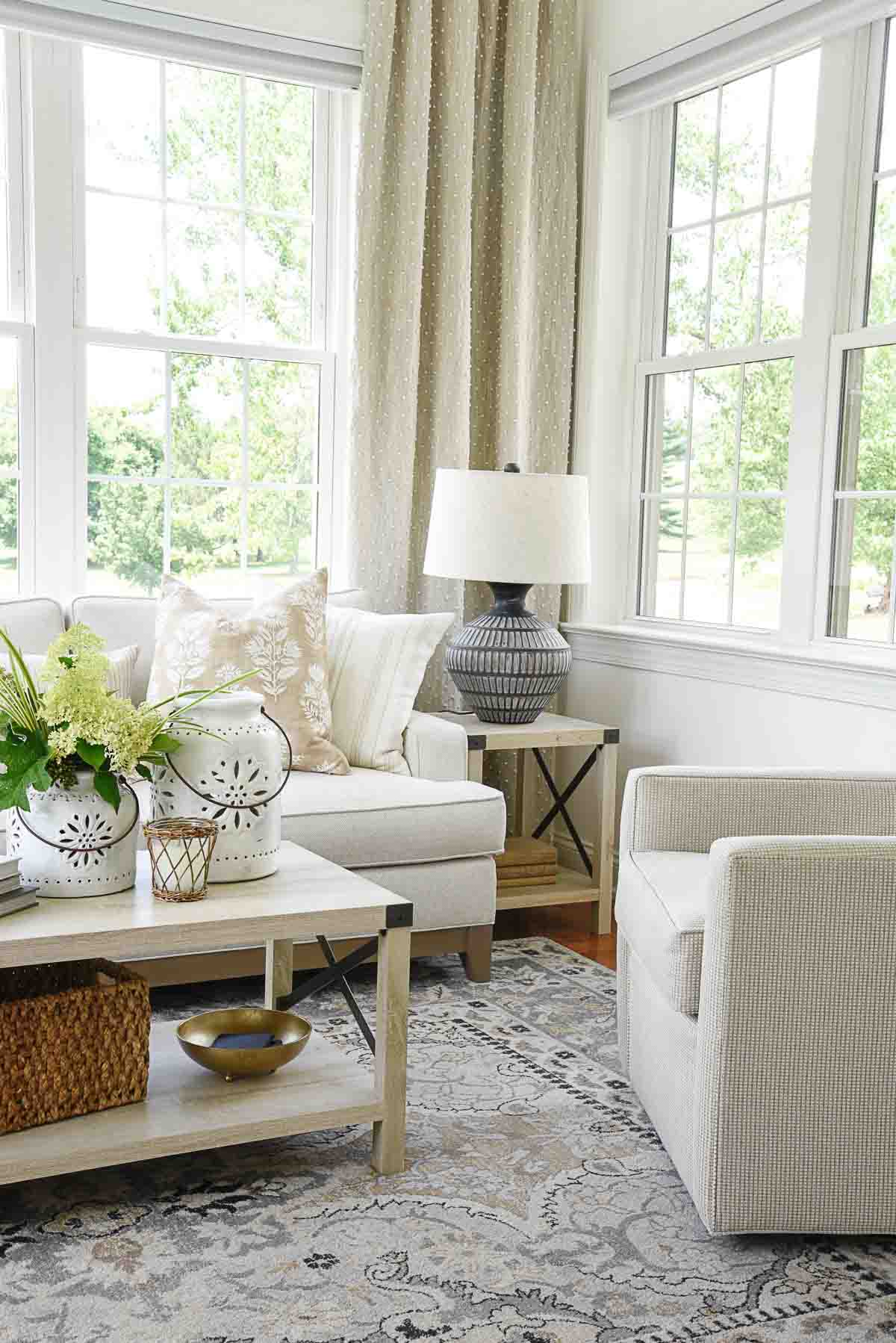
One of the most important things to remember when mixing decorating styles is to maintain a consistent mood. Even when styles vary, the overall feeling of a room should stay the same.
Think about how you want a space to feel. If the goal is relaxed and casual, choose furnishings and decor that support that feeling, even if they come from different styles. When everything shares the same mood, the room feels comfortable and cohesive.
Mixing styles with very different moods can be tricky, especially if you are newer to decorating. A calm, casual space can quickly feel confusing if pieces with a formal or dramatic feel are added without intention.
Bridge Decor Styles

Some decorating pieces are especially helpful when mixing styles because they naturally connect different looks within a room. I like to think of these items as bridge pieces. They help styles work together without drawing too much attention to themselves.
Pillows are one of the easiest and most flexible bridge pieces you can use. They introduce color, pattern, and texture in a small way, which makes them ideal for blending different styles. Pillows also make it easy to try something new without committing to a larger piece of furniture.
What makes pillows so useful is their versatility. They can pick up colors from artwork, repeat tones from furniture, or echo patterns found elsewhere in the room. This helps different styles feel related rather than separate.
There are several other items that work the same way and help bridge decorating styles throughout a home.
• Area rugs help unify colors and patterns and can anchor furniture from different styles.
• Artwork connects styles through color, subject, or framing.
• Lighting links spaces when finishes or shapes are repeated in lamps or fixtures.
• Decorative throws add texture and color and work well on seating or beds.
• Mirrors reflect light and repeat shapes or finishes found in furniture.
• Window treatments bring consistency to rooms with different furnishings.
• Planters and greenery fit naturally with every decorating style.
• Books and decorative objects add layers and personality while tying styles together.
Using bridge pieces makes mixing decorating styles feel easier and more natural. These items help create a home that feels comfortable, welcoming, and thoughtfully styled.
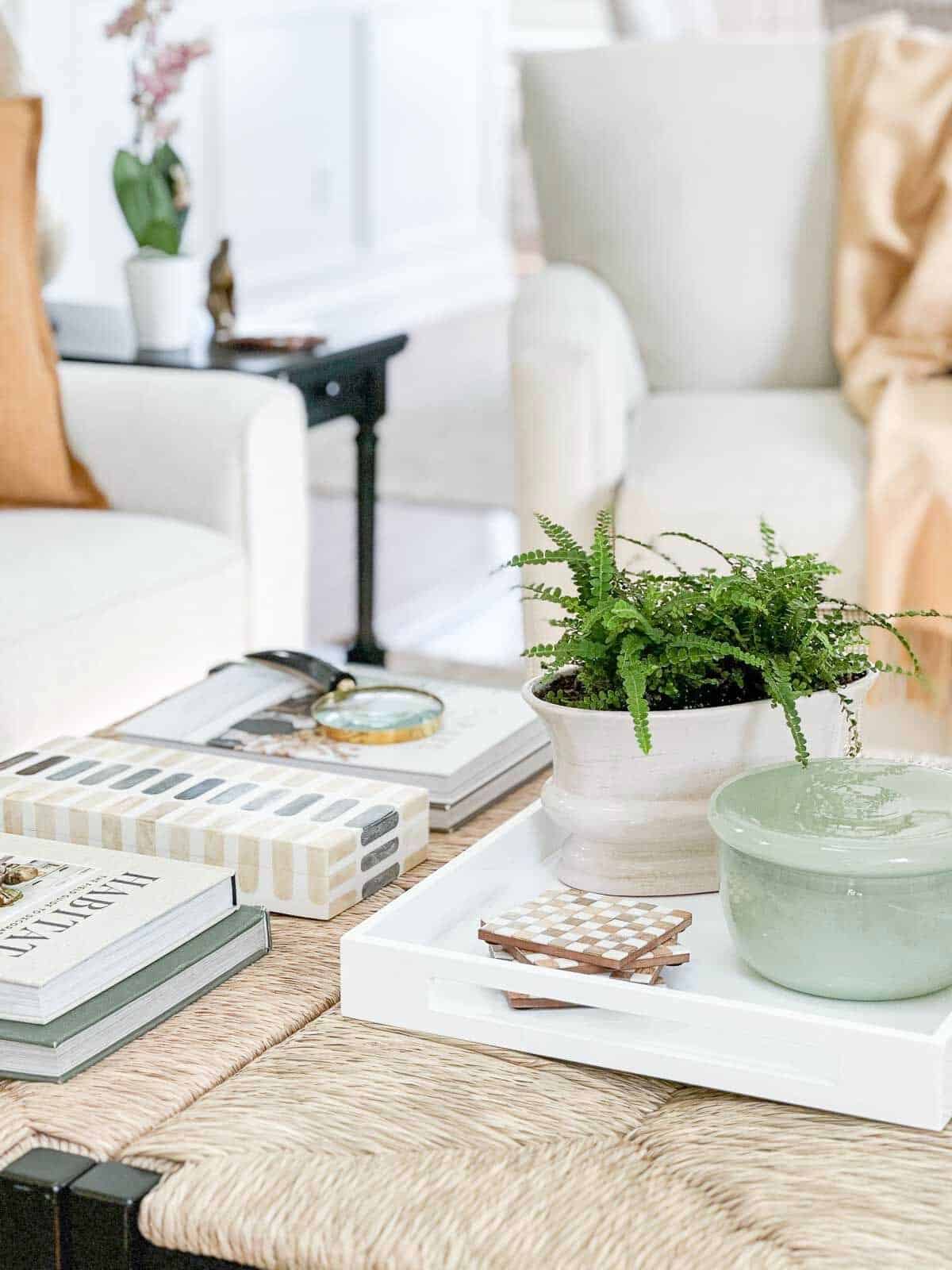
Mixing decorating styles is one of the best ways to create a home that feels personal and lived in. Most of us naturally collect pieces over time, and when those pieces are thoughtfully combined, they tell a beautiful story about the people who live there.
The goal is not perfection. The goal is a home that feels good to walk into and easy to live in every day. Trust what you love, make small adjustments when something feels off, and enjoy your home.
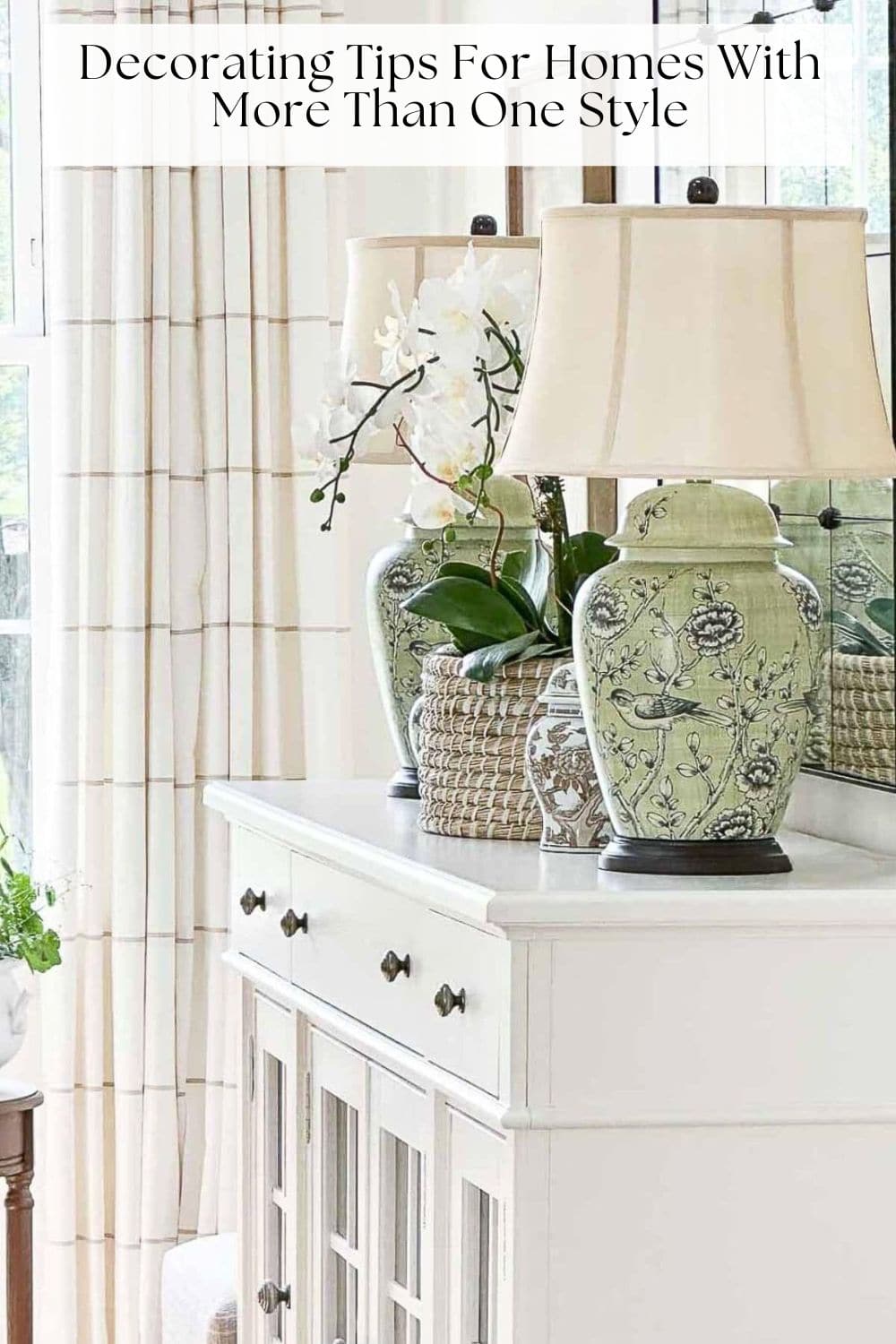
Happy decorating, friends…

Your living room is gorgeous! I’m so jealous you can have a white color palette, my kids won’t show any mercy to anything, that’s why we tend to stick to colors that are forgivable to messes.
LOL! We do a lot of clean-up when the grandkids come.
I love your blogs and decorating expertise. Your explanations are so easy to understand.
I have a bold patterned chair with one solid blue colored couch and chair. I need to replace my rug. Can I use a patterned rug? I think the answer is no, but just making sure. Thanks!
Hi Margo! Yes you can mix two patterns. Can you send me a picture of the chairs? I can help you better if I can see them. My email is [email protected]
I am repeatedly having your emails go haywire on me!! Very frustrating. Does anyone else have this problem? Any suggestions?
I’m not sure what you mean by “haywire”. Can you explain?