How To Make A Room Feel Personal, Lived In, And Welcoming
Learn simple ways to make a room feel personal, lived-in, and welcoming with meaningful decor, comfort, and thoughtful details.
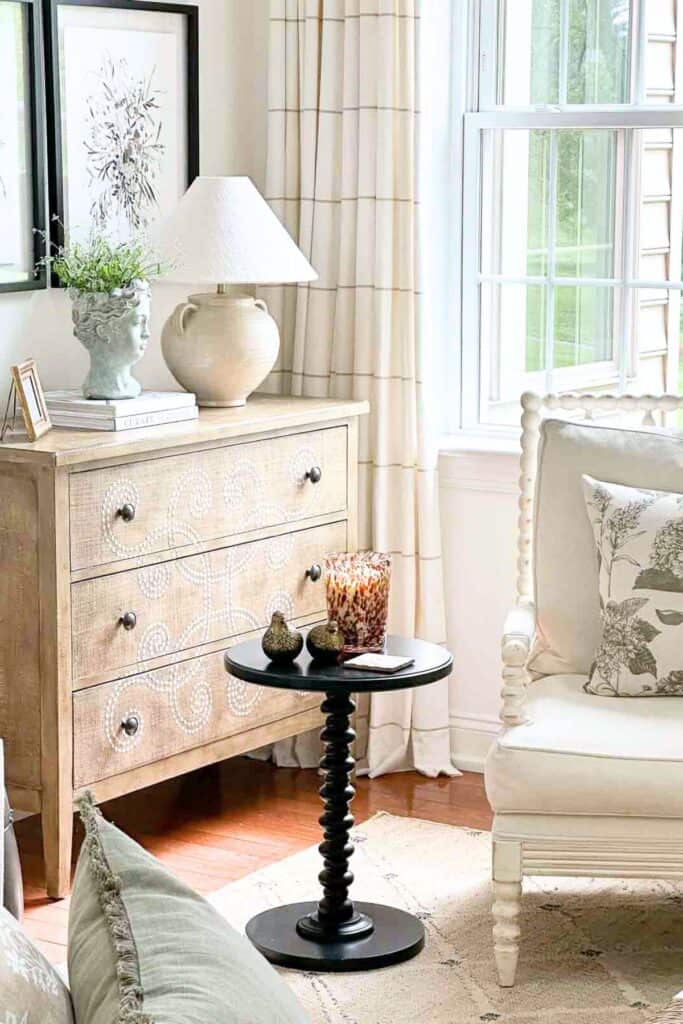
Have you ever visited someone’s home and felt like you knew them better just by being there? Their home told a quiet story about who they are and what they love. Knowing how to make a room feel personal is what turns a house into a welcoming place people enjoy being in, not because it is perfect, but because it reflects real life.
Personal items dot every room in our home. These familiar accents make the house feel comfortable and comforting. A stack of decorating books, a small partridge salt and pepper set used as accent decor, burlap-covered books that border on a personal obsession, and dishes that once belonged to my grandmother are just a few of the things that quietly shape the feeling of a room.
That is the kind of home many of us love to visit and hope to create ourselves. In this post, I am sharing simple ways to make a room feel personal, lived in, and welcoming.
What Makes A Room Feel Personal And Comfortable
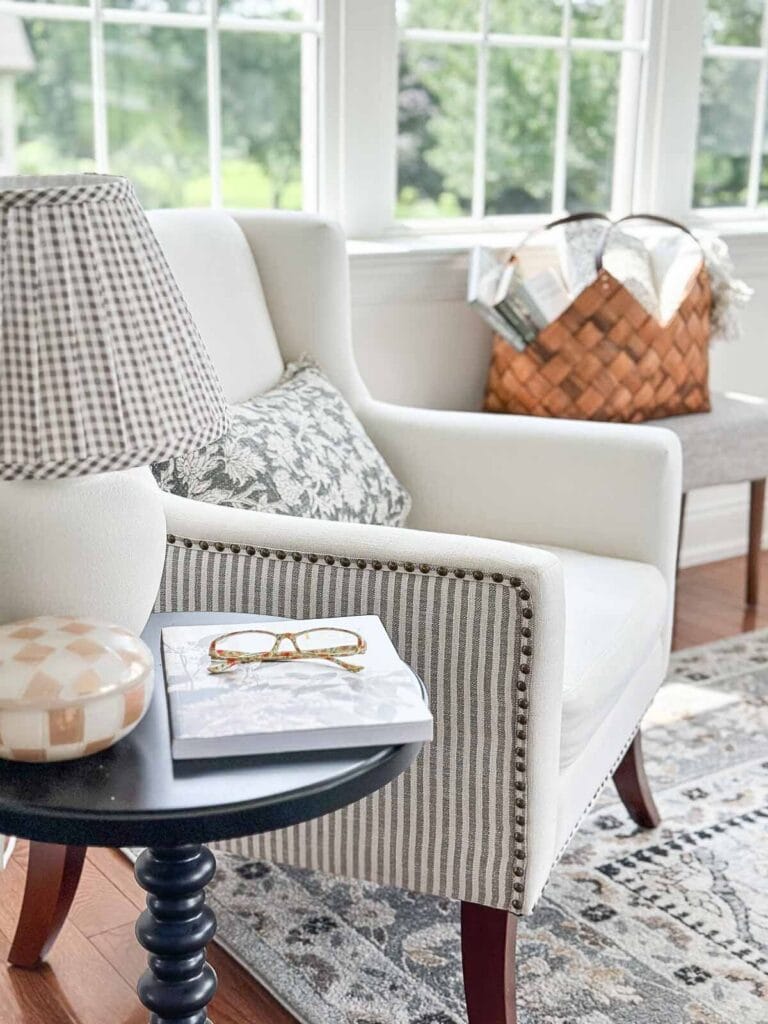
A room feels personal and welcoming when it reflects real life rather than a decorating formula. It is not about how much decor is used, but how thoughtfully it is chosen and arranged. The most inviting rooms tend to share a few common qualities. They feel comfortable to be in, easy to move through, and familiar in a way that puts people at ease.
Personal rooms show signs of life. They include things that are used, loved, and reached for every day. Books are close at hand. Furniture is arranged for conversation, not just for looks. Surfaces are styled, but not overly precious. There is a sense that people live here, gather here, and belong here.
Welcoming rooms also feel honest. They are not trying to impress. Instead, they quietly reflect the people who live there, their habits, and the seasons of life they are in. This is why two homes decorated in a similar style can feel completely different once personal details are added.
I am a slow decorator. I like to mull over every piece I add to a room. For a long time, it bothered me that a space did not feel finished quickly. Over time, I began to see the value in slowing down, adding thoughtfully, editing when something no longer felt right, and waiting. That shift changed everything. The rooms in my home began to feel more personal and more comfortable, simply because they reflected us instead of a deadline.
f a room feels close but not quite right, small details often make the difference. This post on How To Accessorize A Room shares simple ways to help spaces feel finished without overdecorating.
Use Items That Have Meaning To You
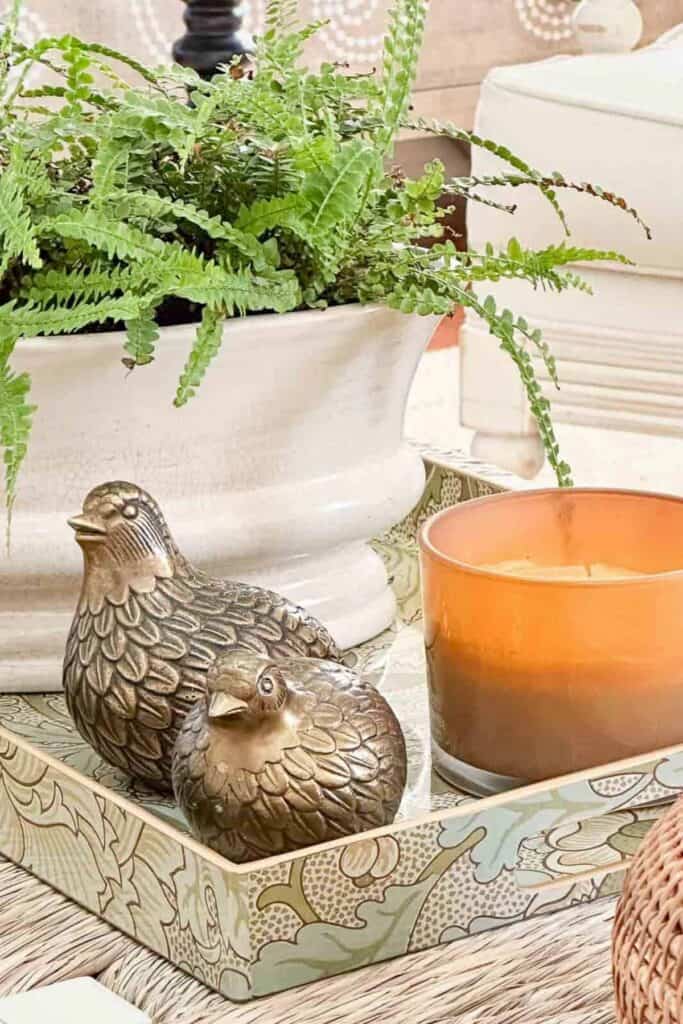
Rooms feel personal when they include things that matter. These are not always the most stylish or expensive pieces, but they are often the ones that feel familiar and well-loved. Items with meaning add warmth and depth to a space in a way nothing trendy ever can.
I love the idea of using things in a home that have been passed down from generation to generation. Our family comes from humble beginnings, so there are not many of those pieces. Over the years, I have instead collected furnishings that I love and treasure, hoping they may one day find a place in the homes of my children or grandchildren. Those pieces carry meaning too, because they hold our story.
Decorating with meaningful pieces also encourages patience. These items are often collected over time, not all at once. When a room includes items chosen for personal reasons rather than to fill space, it naturally feels more lived-in and welcoming.
Art That Means Something
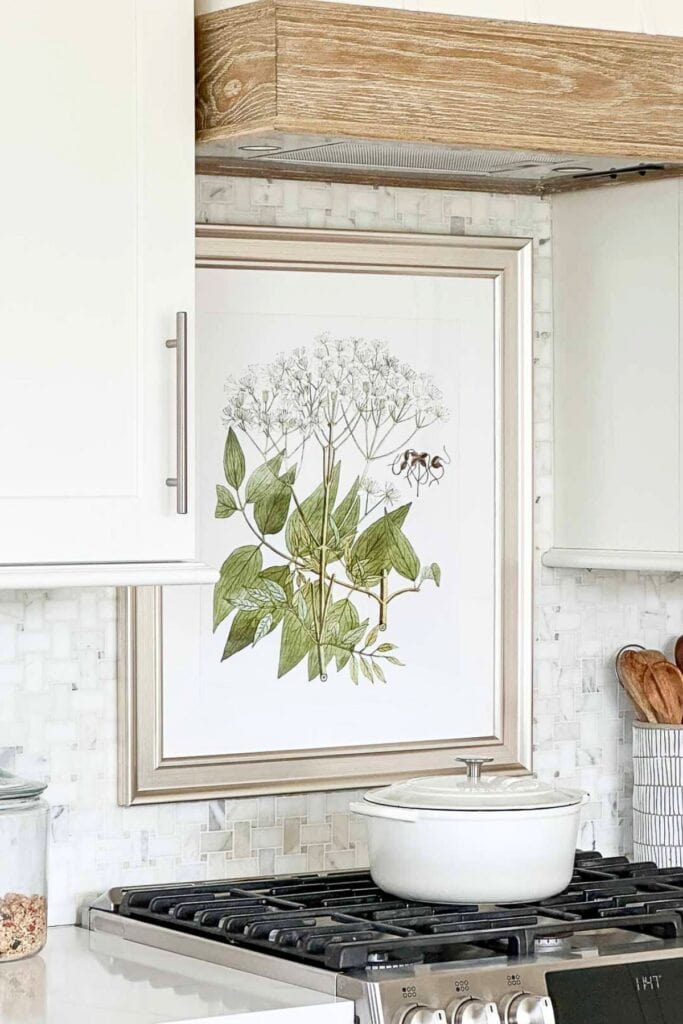
Art plays a powerful role in making a room feel personal. Pieces chosen because they speak to you, remind you of a place or season, or reflect something you love will always feel more right than art chosen simply to fill a wall.
Meaningful art does not have to be original or expensive. It might be a print, a framed page from a book, a photograph, or something created by someone you care about. When art is chosen with intention, it adds personality and quiet confidence to a room.
Walls that tell a story help a home feel welcoming. They invite conversation and give visitors a sense of who lives there, without saying a word.
Layer Decor Instead Of Being Concerned About Matching It
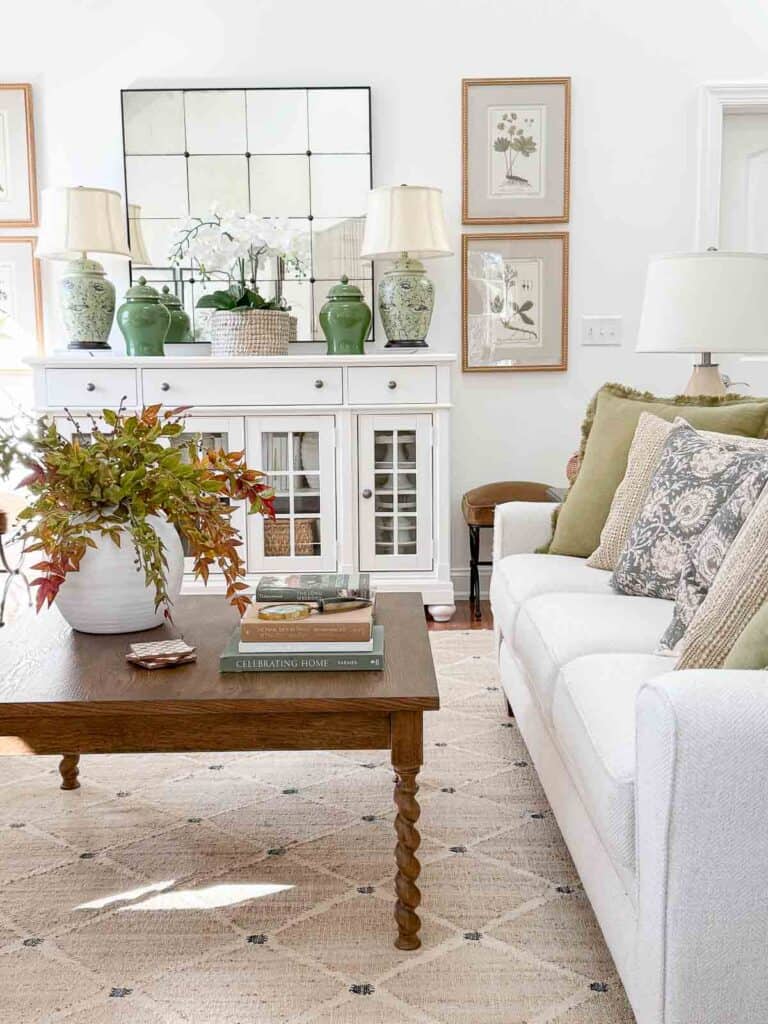
Rooms feel more relaxed and lived-in when decor is layered rather than perfectly matched. When everything coordinates too closely, a space can feel staged. Mixing finishes, textures, and materials adds interest and helps a room feel collected over time.
This is such good news. Instead of striving for a designer look, a more bespoke home can take shape, one curated with pieces that feel right, comfortable, and personal. Simple layers like a throw on a chair, a mix of pillows, or varied materials on a tabletop soften a room and give it depth. When decor reflects real life rather than a formula, a space naturally feels welcoming and lived in.
Layering decor works especially well when styling small areas. 10 Tips To Keep In Mind When Creating A Storied Vignette explains how to mix pieces so they feel collected and personal.
Add Books And Everyday Objects
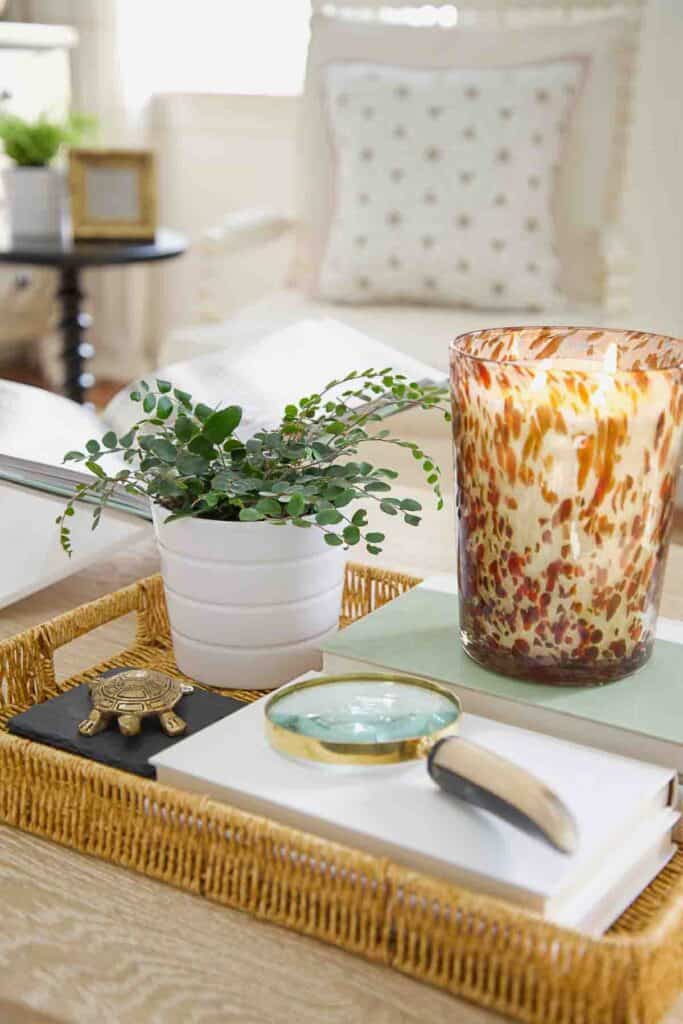
Books and everyday items help a room feel lived in because they reflect how the space is actually used. A small stack of books on a table, a favorite bowl, or an object reached for often adds quiet personality without looking styled.
I collect decorating and cookbooks, and when friends visit, they often gravitate to the banquette where I keep a small stash. I enjoy seeing them flip through the pages and linger there, making themselves at home.
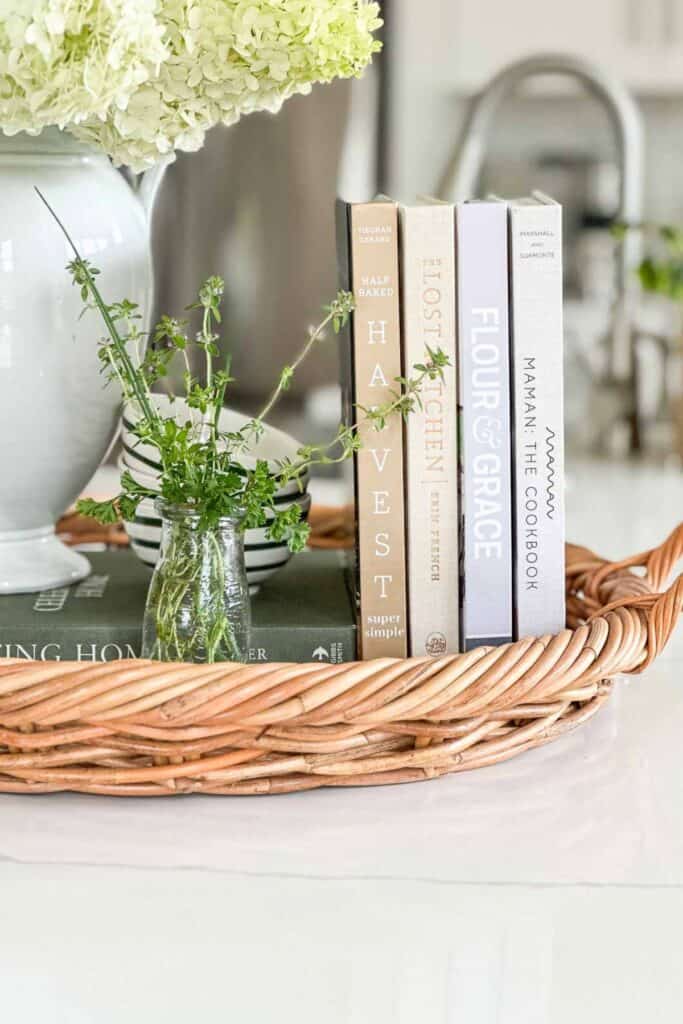
These pieces bring warmth because they belong to daily life. When a space includes items that are both useful and meaningful, it feels comfortable and welcoming rather than decorative only.
Bring In Something Living
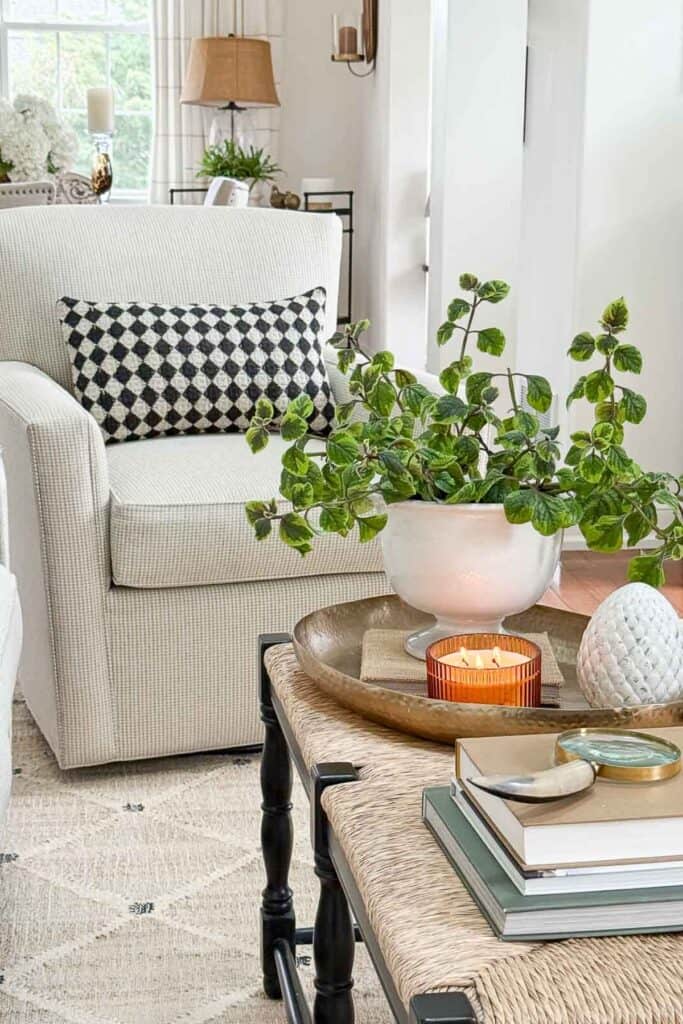
Adding something living to a room is one of the simplest ways to make it feel warm and lived in. A potted plant, fresh flowers, or a simple branch clipped from outdoors softens a space and brings a sense of care and attention.
Over the last few years, I have enjoyed adding more plants to our home. Tending them and watching them grow has been rewarding, and they give back by adding something natural, simple, and lovely to our rooms.
Living elements add gentle movement and texture. Even one plant can make a room feel more welcoming without adding visual weight.
Make A Room Comfortable First
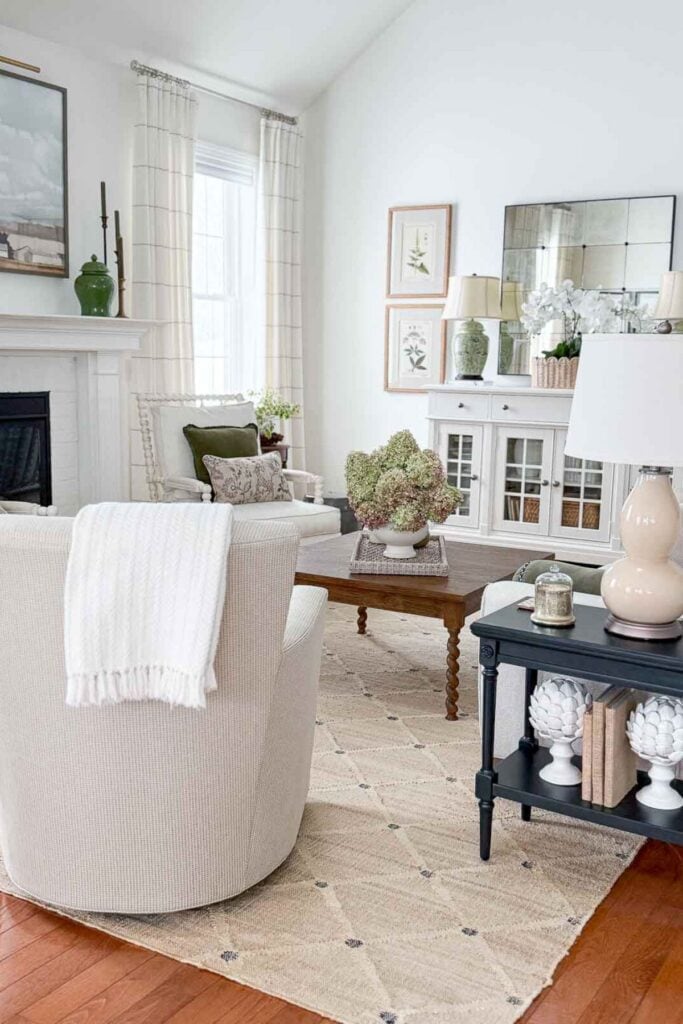
A room will never feel welcoming if comfort is treated as an afterthought. Comfortable seating, soft textiles, and a layout that makes sense for how the room is used matter more than how the space looks in photos.
When a room is easy to settle into, people stay longer. Chairs invite sitting, lighting feels gentle, and surfaces feel usable rather than off-limits. Comfort signals that a room is meant to be lived in, not just admired.
When comfort comes first, everything else falls into place more naturally. The room feels relaxed, personal, and ready to be enjoyed.
Don’t Overstyle Every Surface
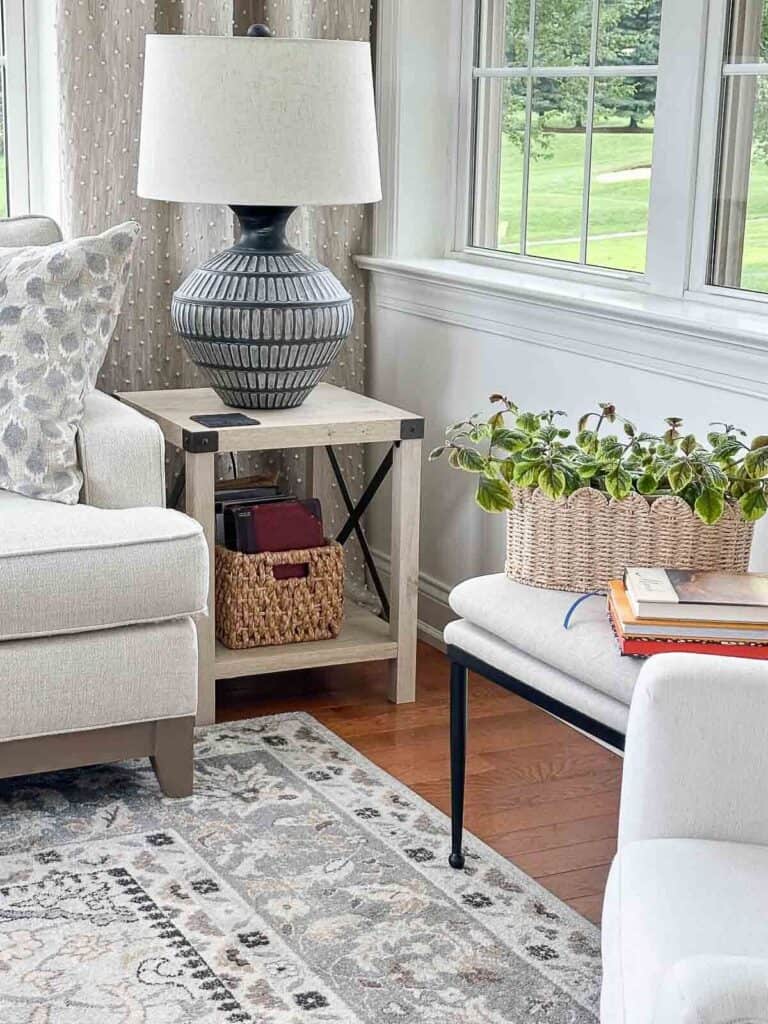
Not every surface needs to be styled for a room to feel complete. When every table, shelf, and corner is filled, a space can start to feel stiff rather than welcoming.
Leaving some breathing room allows a home to feel relaxed and easy. Clear surfaces invite daily use and make a room feel livable instead of precious. This balance helps a space feel personal, not overly arranged.
A welcoming home leaves room for life to happen. It does not need to look finished at all times to feel right.
Let A Room Look Collected Over Time
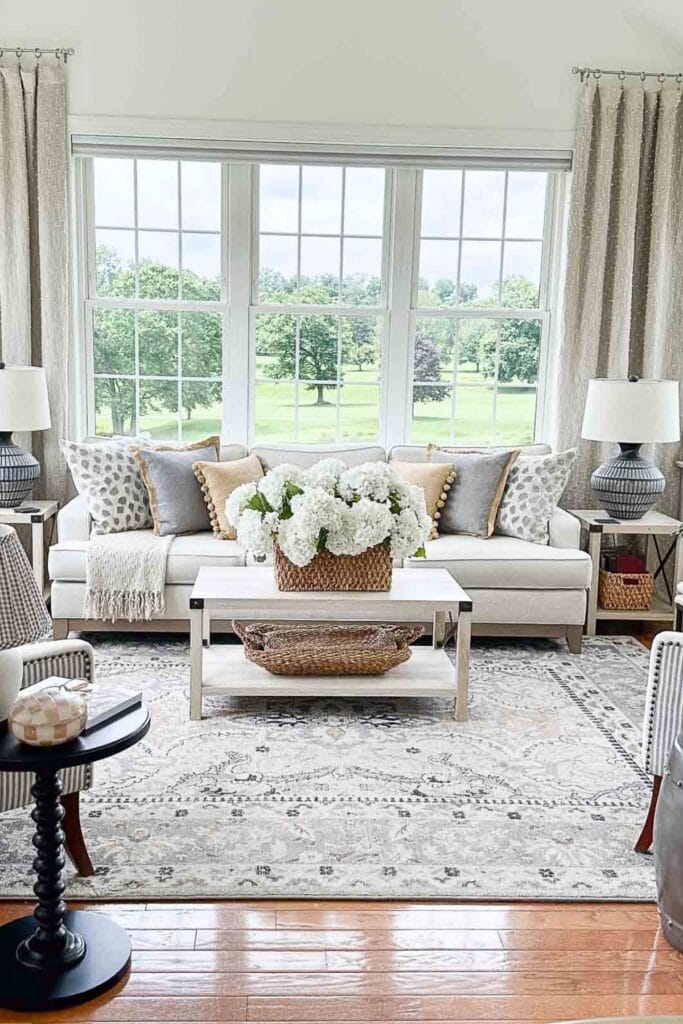
Rooms that feel personal are rarely finished all at once. They come together slowly, through small additions, thoughtful editing, and time. This is what gives a home depth and a sense of ease.
If you take away one tip from this post, let it be this. Enjoying the process of decorating and slowing down can have a big effect on how a room not only looks, but also feels. There are rooms in our downsized home that are not finished, and that is perfectly okay. I enjoy taking my time, waiting for the right pieces, and choosing items that reflect my style and our story.
Decorating slowly often leads to a more timeless home. Ten Tips For Creating A Timeless Home focus on choosing pieces that feel right year after year.
Avoid Decorating Mistakes That Make A Room Feel Impersonal
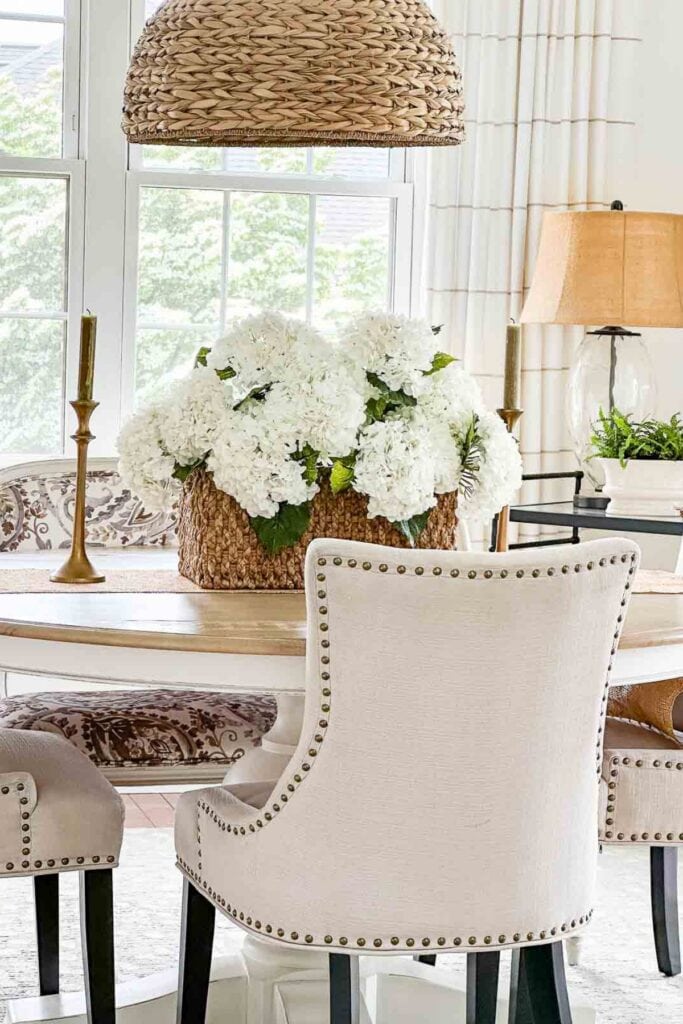
Sometimes the simplest changes make the biggest difference. These easy ideas help a room feel more welcoming right away, without redecorating or starting over.
- Decorating a room all at once instead of allowing it to evolve over time
- Choosing pieces only because they match rather than because they feel right
- Filling every surface to make a room feel finished
- Decorating for appearance instead of how the room is actually used
Each of these habits can quietly drain personality from a space. Slowing down, editing thoughtfully, and letting function lead help a room feel more welcoming and lived in.
A personal and welcoming home is not created by following rules or chasing a finished look. It grows slowly, shaped by the things you love, the life you live, and the time you give a space to become what it needs to be. Those are the rooms people remember, and the ones we enjoy living in most.
If you enjoy understanding the why behind decorating choices, 12 Decorting Rules You Should Almost Never Break offers guidance that supports creating rooms that feel comfortable and personal.
Frequently Asked Questions About How To Create A Personal Live-In Home
Always start by using what you already have. ring out meaningful items, books, artwork, and everyday objects you love. Editing and rearranging often make a bigger difference than buying something new.
Rooms feel lived in when they reflect daily life. Comfortable seating, books within reach, layered decor, and items that are used and loved create a relaxed, welcoming feel.
Yes. In fact, rooms that evolve over time often feel more personal. Allowing a space to change slowly helps it reflect the people who live there rather than a fixed look.
Happy decorating, friend…


These are great ideas and easy to do. I think I will first tackle my bookshelves and the rest will ne easier and go from there.
I’m so glad this post motivated you Diana. I’ve changed my decorating philosophy quite a bit over the last year, and love our home to tell our story.
where did you get your coffee table and navy side tables?
The coffee table is new to us this year. It’s really GORGEOUS! You can see it here:https://rstyle.me/+OK1bhv266W5eug6Ddw0lDg. See the black coffee end tables here:https://rstyle.me/+raACXOb5cEzJgbRaUOvg_g
I also “enjoy the journey” and take my time decorating now. I also appreciate your advice regarding using what you have. Please tell us about the striped side chairs! They look like they were made for the room! Thank you!
Hi Diana, the chairs you are talking about came from Kirkland’s and are no longer in stock. Sorry, I don’t have a link for you.
Love this! I have one hallway wall that I’m having such a hard time decorating. The hallway is dark. One side of it is open banisters which lead to the stairs going downstairs.
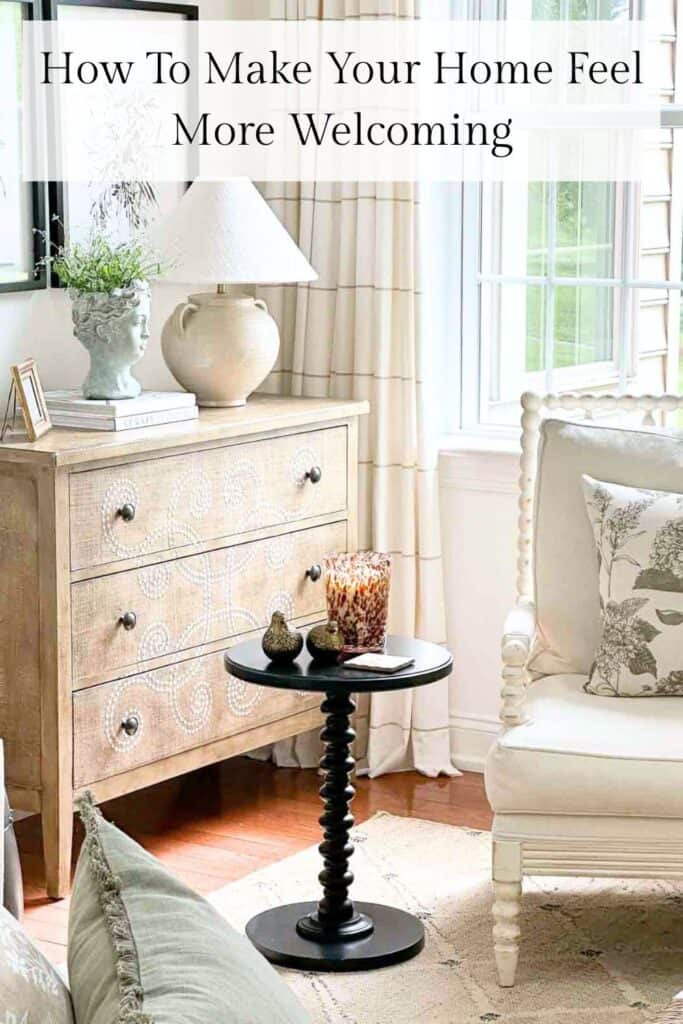
Where did you get your little cocktail/accent table?
Here you go, Lynda:https://rstyle.me/+3_ulInU5ANqXUhhT3zmGPQ