How To Grow And Care For Orchid Plants: The Ultimate Guide
Caring for orchids indoors is easy with the right light, water, and potting mix. Get expert tips to help your orchid thrive and rebloom.
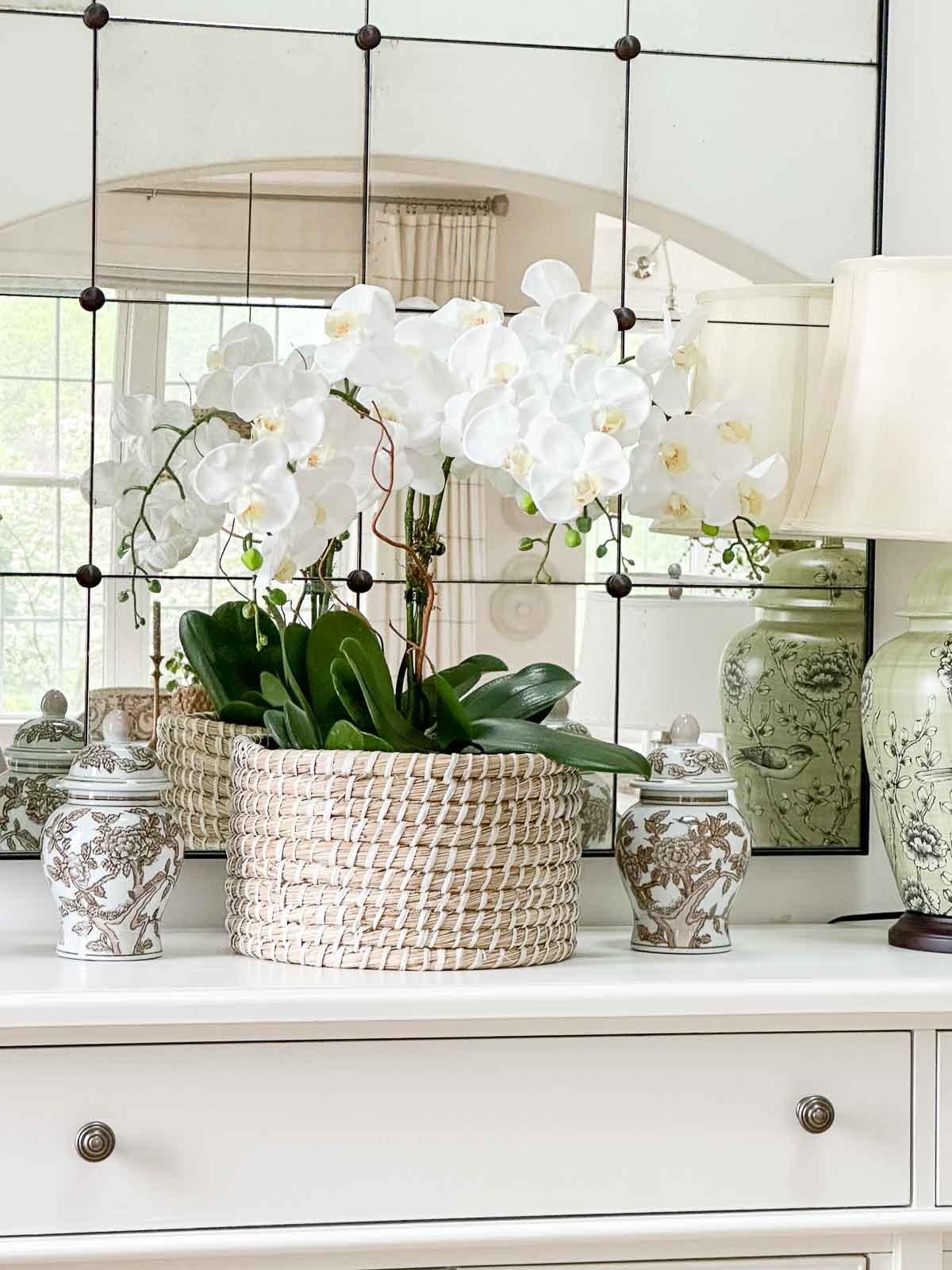
Orchids are one of my favorite flowers and house plants. I’ve grown them for decades (I’m really dating myself) and have had great success. Caring for orchids is not difficult once you know about the care they need to thrive indoors, because orchid care is a little different than caring for other houseplants. It’s not hard, and learning to care for them will give you months of flowers on an orchid plant and years of a healthy reblooming plant.
Here are all the things you will need to know to grow and care for an orchid plant and keep it healthy and blooming in your home.
What Is An Orchid
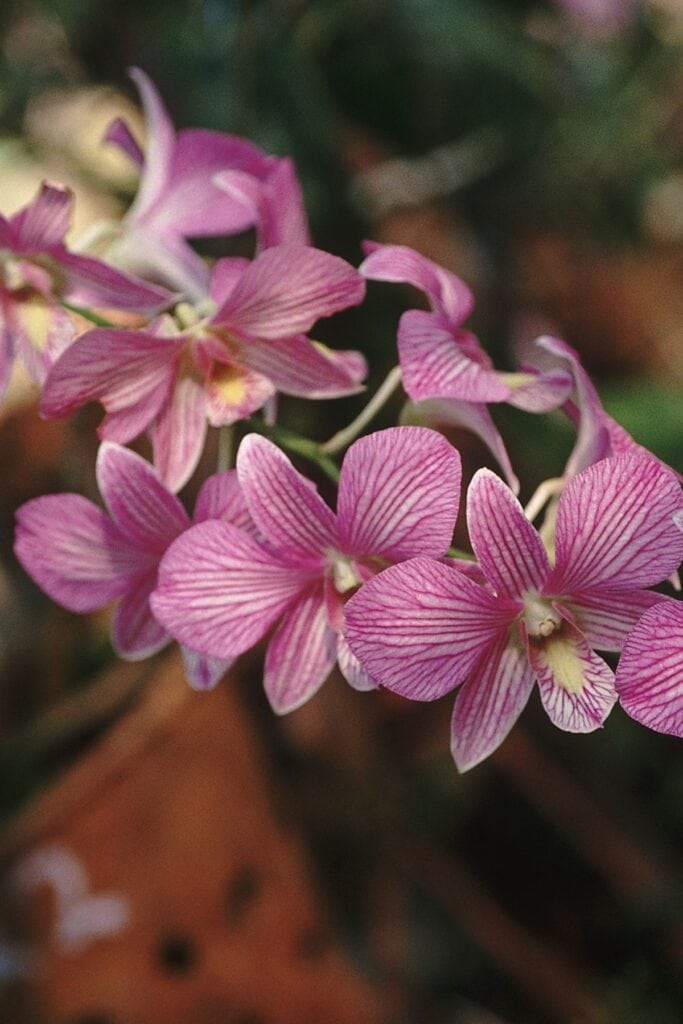
Did you know that orchids are the most common flowering plant in the world? They may look exotic and rare to us, but there are tens of thousands of known species and even more hybrids. Orchids are found growing naturally on every continent except Antarctica.
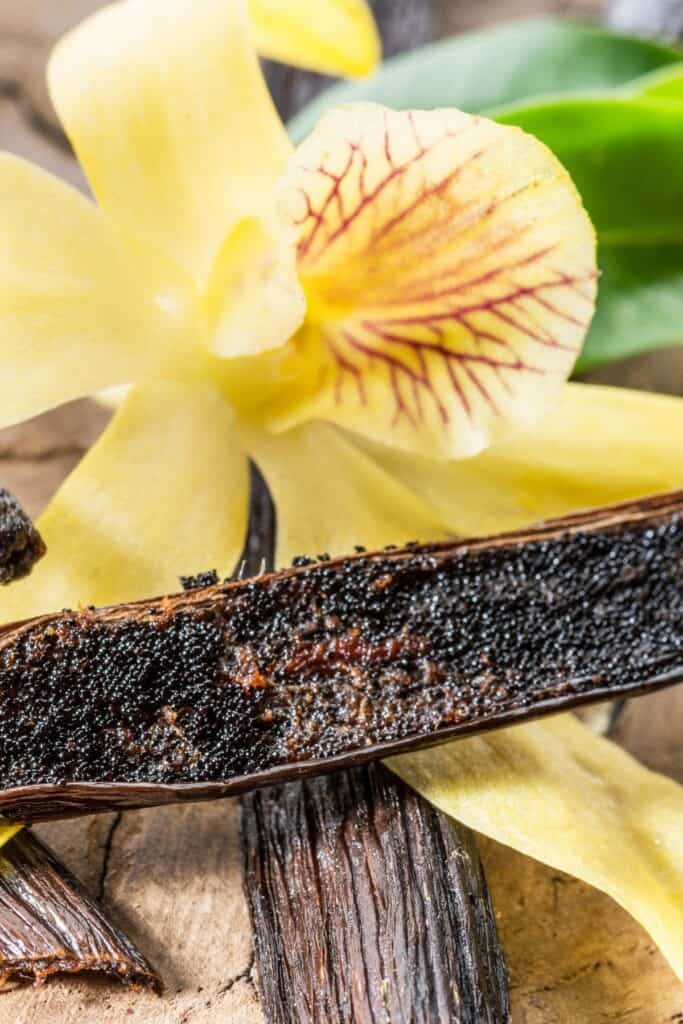
The flowers from vanilla plants are orchids.
In the wild, many orchids grow in warm, humid areas and attach themselves to trees instead of growing in soil. Many orchids don’t grow in soil at all. Instead, they attach themselves to trees, drawing moisture and nutrients from the humid air, rainfall, and decaying organic matter around them. That’s why they need different care than most houseplants when grown indoors.
Why We Love Orchids
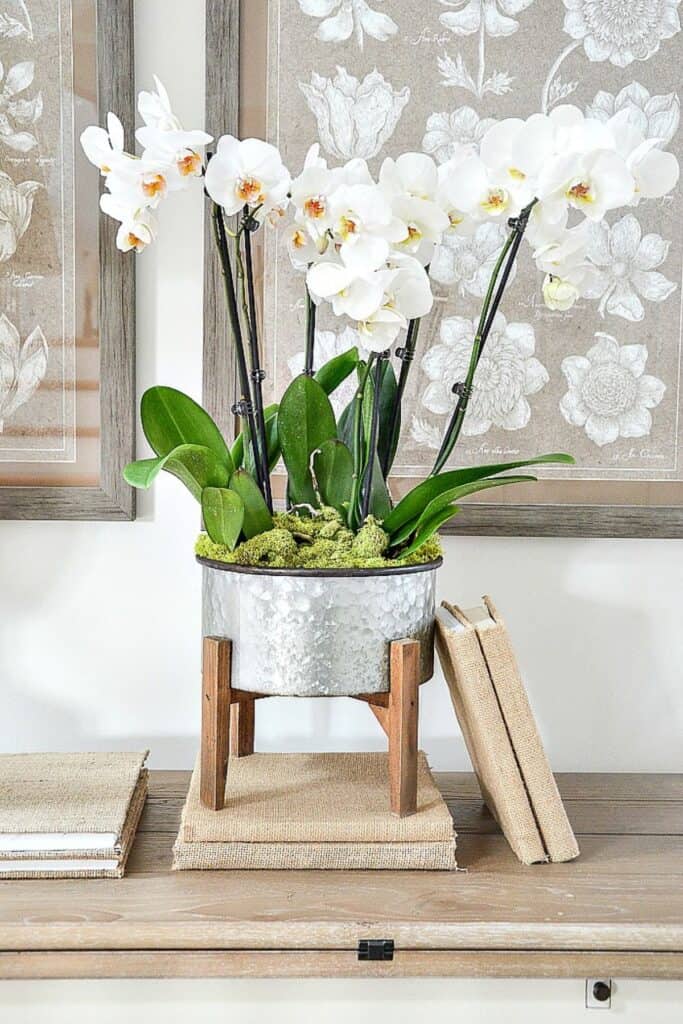
Orchids are truly special. Their elegant flowers can last weeks and sometimes even months, bringing a graceful and beautiful look to any room. Unlike many other houseplants, orchids bloom in cycles, and watching a flower spike grow and open is such a rewarding process.
They don’t need much space, which makes them perfect for small areas like a bathroom vanity, kitchen island, or a west-facing window. And once you understand a few basics, they’re not hard to care for. And if given a little attention and the right conditions, orchids will reward us with beautiful blooms!
My Orchid Story
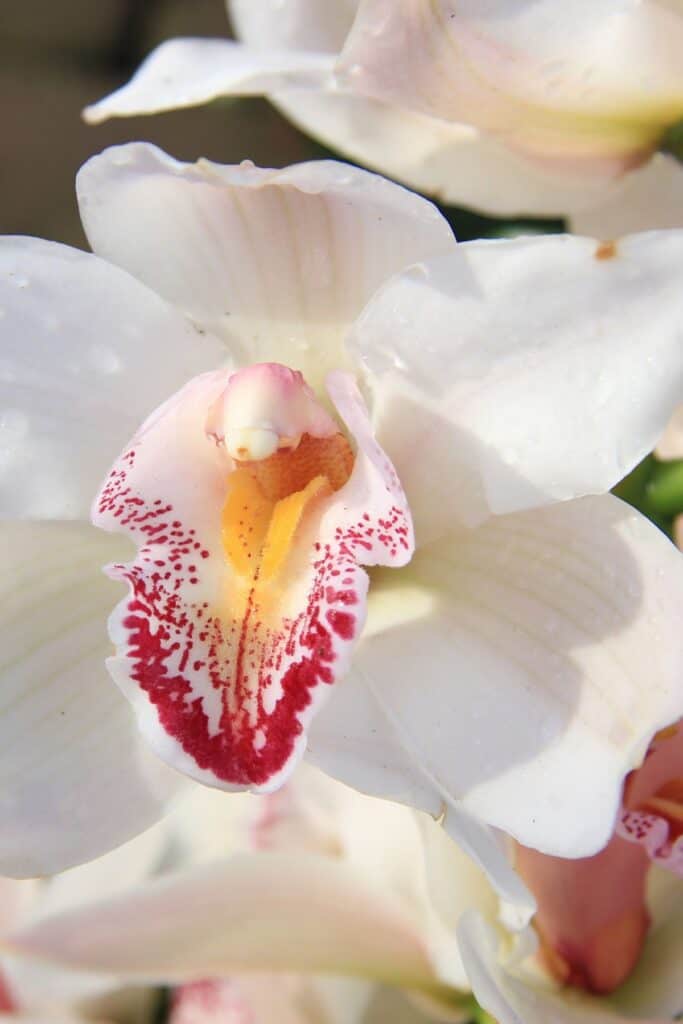
I’ve loved orchids since I was a child. Looking through my parents’ photo albums, I saw many pictures of my mother carrying a large white cymbidium orchid on a small white bible on her wedding day. Thin white satin ribbon trailed from the orchid, and I could just imagine them moving in the breeze of her walk. This was her wedding bouquet, and I thought it was exquisite!
So, when I got married, I did the same. My love affair with orchids continued. For years, I bought orchid plants and considered them long-lasting cut flowers, because I did not know how to care for them or give them the proper conditions to help them bloom. Now, I love to care for them and coax them to rebloom! It’s so easy.
I hope this post helps you to nurture your orchid plant and enjoy it in and of its blooming season!
Orchid Pots And Potting Bark
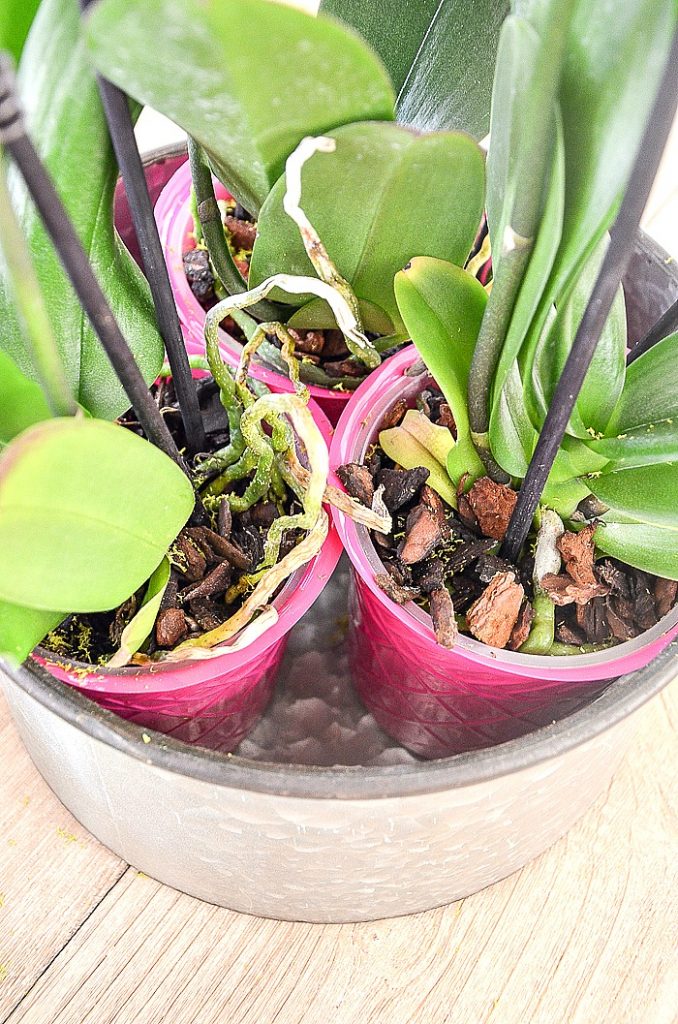
The pot and potting mix you use are key to healthy orchid care. Unlike most houseplants, orchids don’t grow in soil. Their roots need air circulation and excellent drainage, so using the right materials is essential.
Orchid Pots
Pick a plastic pot or a ceramic pot with an inner liner with drainage holes. Clear plastic pots are helpful because they let you check root health and moisture levels. I like orchid pots. These plastic or ceramic pots have long slender slits in their sides, making sure the roots don’t stay too wet.
Potting Medium
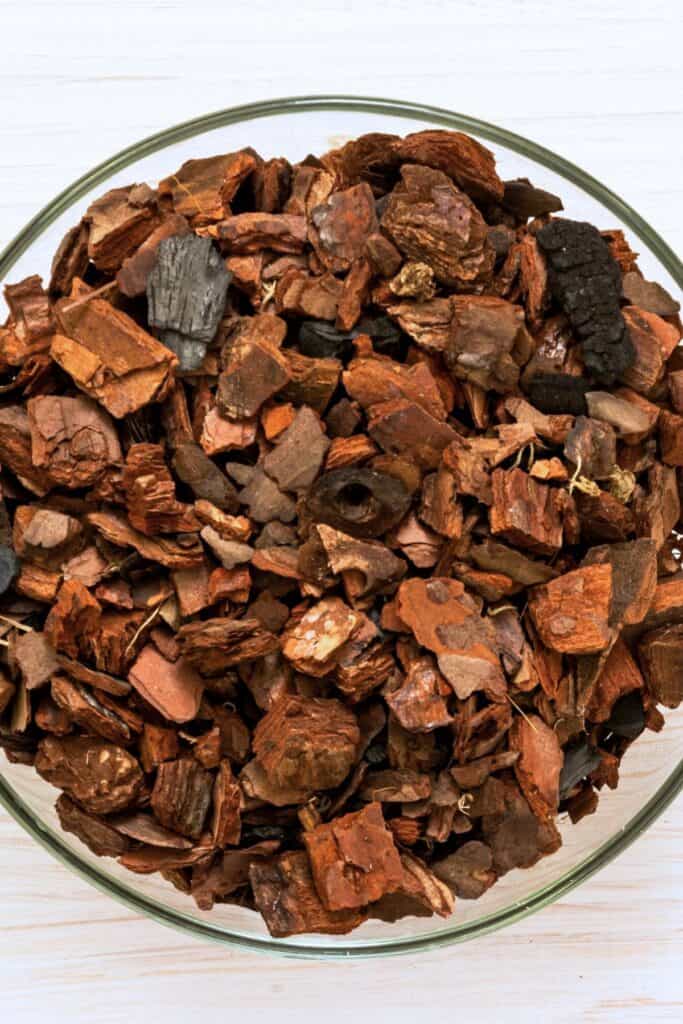
For the potting medium, use large chunks of bark or a mix that includes perlite or charcoal. This keeps the moisture balanced while allowing plenty of airflow.
If your home is cooler or has low humidity, you can choose a mix with slightly smaller bark pieces or a bit of moss to help retain moisture. Just be careful not to let it stay soggy or risk root rot. You can see that making sure orchid roots do not get soggy is vitally important.
What Orchids Need To Thrive Indoors

Orchids need the right balance of light, water, and humidity to stay healthy and produce beautiful blooms.
The Right Orchid Light
Orchids need bright, indirect light to grow and bloom. You may never see a flower spike if the light is too low. Too much direct sunlight can scorch the leaves. A west-facing window with filtered light is usually just right.
I am not too consistent with the light my orchids get. As a decorator, I use orchids in centerpieces, so they are not always in the optimal place. I think this is the biggest reason my orchids sometimes don’t bloom.
Watering Orchids the Right Way
Watering your orchids the right way is very important for keeping them long-lasting. Follow these easy steps to water your orchids.
- Use room-temperature water.
- Water in the sink so it can drain completely.
- Soak the potting mix thoroughly until water runs out of the drainage holes.
- Let the pot drain fully. Never let it sit in standing water.
- Water about once a week, or when the top inch of the bark feels dry.
- Avoid using the ice cube trick! Orchids prefer a deep soak, not cold, slow drips.
- Always check the weight of the pot. A light pot often means it’s time to water.
Fertilizing for Healthy Orchids
Feeding your orchid supports strong roots, healthy leaves, and the growth of new buds and flower spikes. Here are tips for fertilizing your orchids…
- Use a balanced, water-soluble fertilizer (like 20-20-20) labeled safe for orchids.
- Dilute it to half strength to avoid overfeeding.
- Fertilize every 2–3 weeks during the growing season.
- The growing season usually starts in spring and lasts through early fall. Watch for signs like new leaf or spike growth.
- Skip fertilizing when the orchid is in full bloom or resting after blooming.
- Always fertilize after watering to protect the roots.
- If you see salt buildup on the potting mix, flush with clear water before fertilizing again.
Pruning And Deadheading Orchids
Orchids should be cut back and deadheaded so the plant can focus its energy on growing and producing more beautiful flowers.
- Wait until all the buds on a flower spike have dropped before pruning.
- Use clean, sharp scissors or garden snips.
- For Phalaenopsis orchids, cut just above a visible node—a small bump or joint on the spike where a new branch or bud may form—to encourage reblooming.
- If the spike has turned yellow or brown, trim it off at the base.
- Remove any dead or damaged leaves or dried roots when repotting.
- Don’t prune green, healthy spikes.
How to Raise the Humidity for Orchids
Misting might seem helpful, but it usually doesn’t raise the humidity enough to make a real difference. Moisture left on orchid leaves can cause rot. To boost humidity, try this instead. Place your orchid on a shallow tray filled with pebbles and water, making sure the pot sits above the waterline—again, about keeping those precious roots out of water. You can also use a small humidifier nearby if your home is especially dry.
How and When To Repot an Orchid
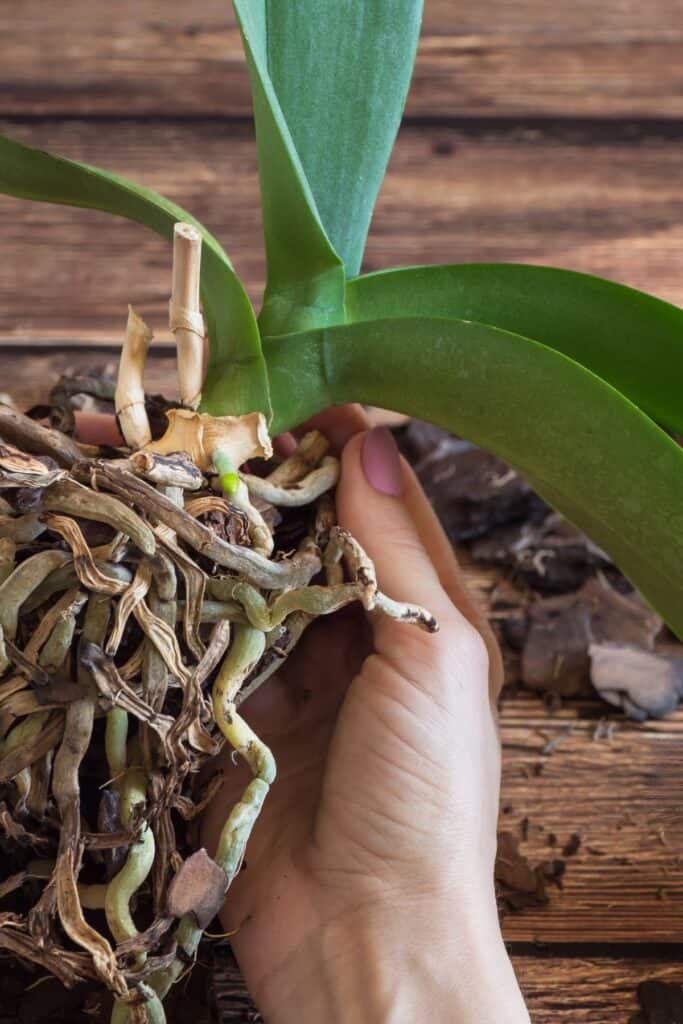
Orchids need to be repotted every 1 to 2 years to refresh their potting mix and keep their roots healthy. Over time, bark and other materials break down and hold too much moisture, which can lead to root rot. Remember, it’s all about healthy roots!
The best time to repot is after the orchid has finished blooming and before new growth begins. Look for signs like crowded roots, soft or mushy bark, or a plant starting to lean out of its pot.
Use fresh orchid bark and a clean pot with drainage holes (preferably orchid pots), and gently trim away any dried or damaged roots during repotting.
About Orchid Roots
It’s normal for healthy orchid roots to grow out of the pot. That’s just how they grow. These are called aerial roots, and they help the plant take in moisture from the air. Don’t try to push them back into the pot. If any visible roots are dry, brittle, or hollow, you can trim them with clean scissors.
Common Orchid Problems and How to Fix Them
Even healthy orchids can run into a few issues, especially indoors. Here are the most common problems and how to handle them. I’ve seen all of them except pests… fingers crossed!
Yellow Leaves
It is normal for a few older leaves to turn yellow. But if multiple leaves are yellowing at once, it may be due to overwatering, too much direct sunlight, or cold drafts. Prune only the affected leaves if needed and make adjustments.
Bud Drop
Have you ever had buds drop off a new orchid a few days after you get it home from the store? Oh, I seriously hate that! When an orchid drops its buds before blooming, it may be reacting to sudden changes in temperature, light, or humidity. Keep your orchid in a stable, draftless spot away from vents and doorways.
Mushy Or Brown Roots
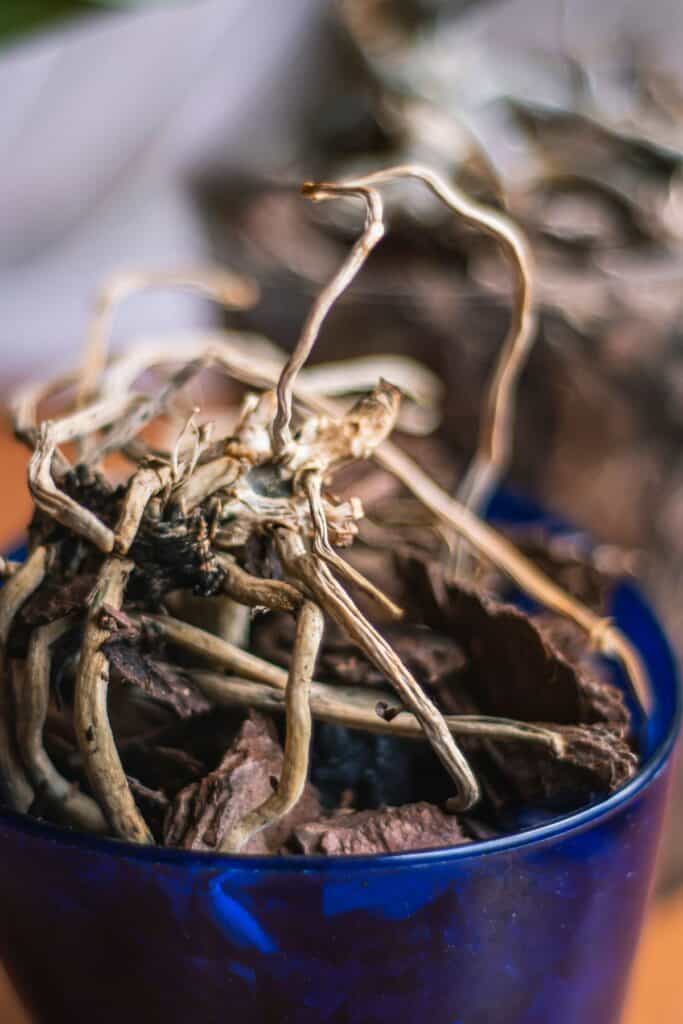
This usually means the potting mix is breaking down and holding too much moisture. Remove the plant, trim damaged roots, and repot in fresh bark with good drainage.
Pests
Orchids can attract mealybugs, aphids, spider mites, and other bugs, especially in warm, indoor environments. Check the leaves, stems, and buds regularly for sticky spots, webbing, or white fuzzy patches. Wipe pests away with a cotton swab dipped in rubbing alcohol, and rinse the plant with room-temperature water. Isolate affected orchids and treat again in a few days if needed.
Getting An Orchid To Rebloom
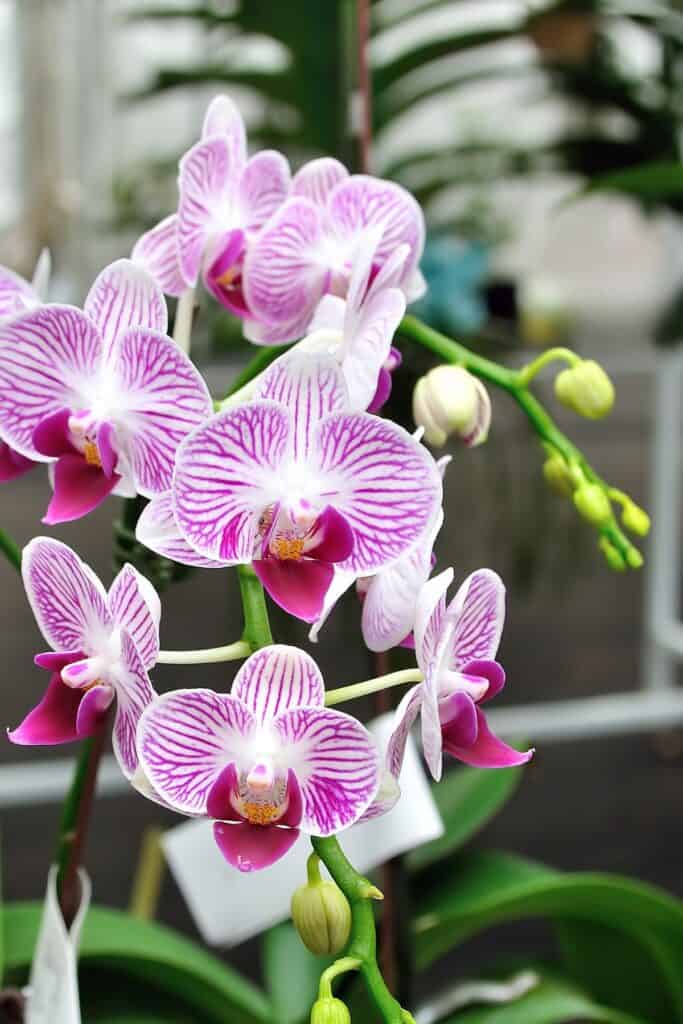
Getting an orchid to rebloom is not hard. It just takes the right conditions, which you now know, and a bit of patience.
After blooming, orchids go through a resting phase. Keep caring for your plant with proper light, humidity, and watering, and it will slowly build energy to bloom again. A slight drop in nighttime temperatures, around 55–60°F, can help trigger a new flower spike.
Once you see a new spike start to grow, continue your regular care routine and avoid moving the orchid to a new location. Sudden changes in light or temperature can cause new buds to drop before they open.
To Fertilize or Not to Fertilize During Reblooming
This was always puzzling to me. The kind people at Brook’s Orchid Farm helped me understand this.
- Fertilize to encourage blooming? Yes! Regular feeding during the growing season (spring to early fall) helps the plant store energy to produce a flower spike and healthy buds.
- Fertilize during bloom? No, or very lightly. Once the orchid is actively blooming, hold off or reduce feeding. At that stage, it’s focused on flowering, not growing new roots or leaves. Overfeeding during this time can stress the plant or shorten the bloom cycle. I don’t feed our orchids during blooming season.
The Best Orchids to Grow Indoors
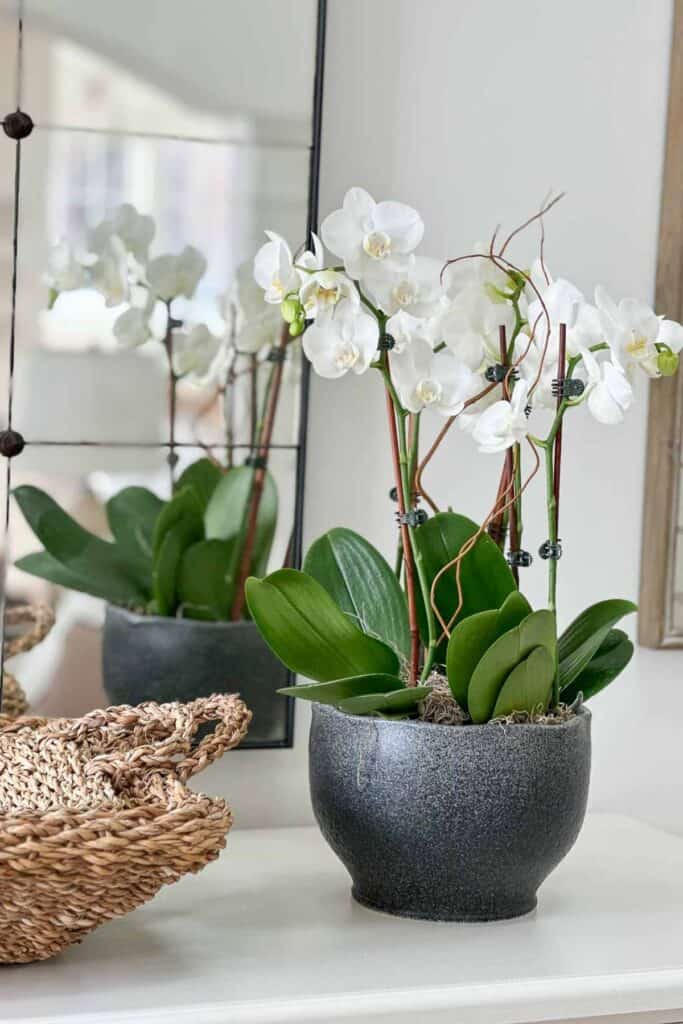
These varieties are the easiest to grow indoors and, with a little care, will reward you with beautiful blooms. If you are thinking of buying your first orchid, start out with a phalaenopsis. I love these orchids and have two in our home right now.
- Phalaenopsis (Moth Orchid) – The easiest to grow and rebloom. It prefers indirect light, consistent moisture, and blooms for weeks or even months.
- Dendrobium – Known for tall, upright canes and multiple blooms. It tolerates slightly cooler conditions and needs regular watering during active growth.
- Oncidium (Dancing Lady Orchid) – This orchid variety enjoys brighter light and higher humidity. It produces sprays of small, frilly blooms.
- Cymbidium (Boat Orchid) – A great choice for cooler rooms, with long, grass-like leaves and impressive spikes of buds in fall or winter.
Using Fake Blooms To Style A Non-Blooming Orchid
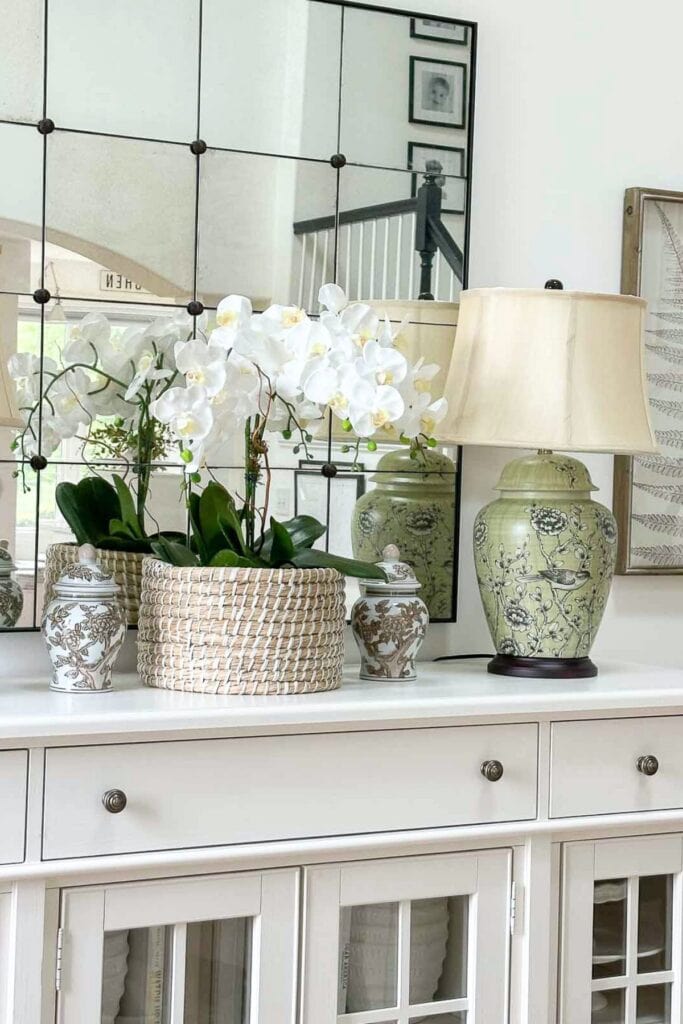
Non-blooming orchids don’t often look very inspiring, if truth be told. But I have a solution! If your orchid isn’t blooming, try adding a faux flower spike to the pot. Choose a realistic-looking artificial bloom that matches the color and style of your orchid, and gently stick the stem into the potting mix near the base, avoiding the leaves.
Then add a support like a skewer or stick deep into the pot next to the fake orchid and tie or clip them together to stabilize everything. Add a bit of moss to the clip for a pretty, natural look.
Shop The Posts

Frequently Asked Questions
Water your orchid when the top inch of the potting mix feels dry. This usually means once a week, but it can vary based on your home’s humidity and temperature. Make sure the pot has drainage holes to prevent water from accumulating at the bottom. Don’t put ice cubes on the bark to water plants. The roots need a good soaking, not a cold drip.
Yes, orchid pots should have good drainage holes. Clear plastic pots with drainage are perfect because they allow you to monitor root health and moisture levels. Clear and ceramic orchid pots have slits on the sides of the pots and are the best pots for orchids because they have drainage and ventilation holes. It’s all about keeping the roots from getting too wet and soggy.
Orchids thrive in bright, indirect light. A spot near an east or west-facing window is ideal. Avoid direct sunlight, which can scorch the leaves.
Other Posts You Might Enjoy
Easy Garden Ideas



Enjoy growing orchids, friends…






I have a coworker’s discarded orchid on my desk at work. It’s blooming beautifully, though the leaves were broken off. Will new leaves grow? Also, I notice that the plant drops a splattering of some sort of kind (not sticky) on my desk that washes off. Is that normal?
Yvonne,
I have loved orchids for their graceful blooms and long lasting beauty. I have a white phalanopsis that has been in bloom since Christmas. I have it in a west window and all I have done is soak in in tepid water about every two weeks.,Amazing plant!
You are doing the right thing! I agree that orchids are graceful! I hope when the blooms are spent you keep the plant and let them rebloom.
I would love a printable version of this to keep for a handy reference. Could you email me the script without all the adds?
There is a pop up offer that has a wonderful orchid reference. Go to the post again. In 5 seconds it should pop up.
I repotted a grocery store orchid gifted to me. I followed directions I found online ( cutting dead roots, rinsing roots, etc.) It is alive showing nice green leaves and one little root. I won’t give up on this plant but it will take a lot of patience. Thanks for the post!
It does take patience.