60 Simple Decorating Tips That Make A Big Difference In Your Home
60 simple decorating tips that help you style flat surfaces, create balance in a room, and make your home feel warm and welcoming.
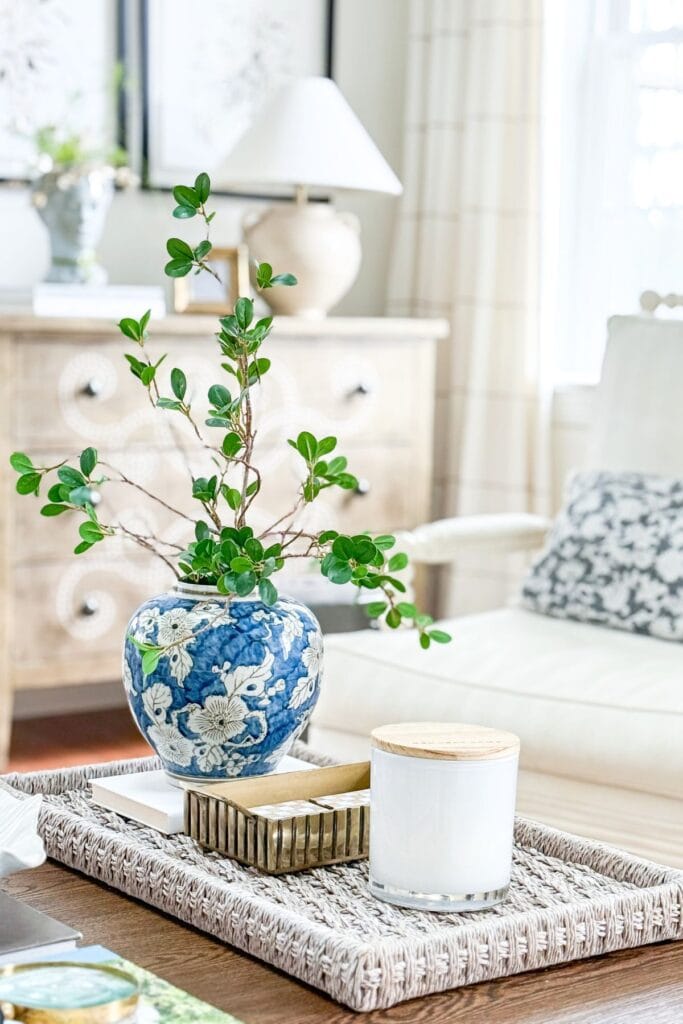
Over the years, I’ve learned that simple decorating tips can make a big difference in how a room looks and feels. Often, the smallest changes, such as moving a chair, editing accessories, or adding something living, can make a space feel more settled and welcoming.
Many of the decorating tips in this post come from years of decorating my own home at Tanglewood and helping readers create rooms they truly enjoy living in. These are practical ideas that work in real homes and can be used again and again.
You don’t need to buy all new decor or completely redo a room to make it look better. Often, the answer lies in knowing what to adjust, what to remove, or which small detail will help a space feel finished.
In this post, I’m sharing more than 60 simple decorating tips that will help you style surfaces, create balance in a room, and make your home feel warm and inviting. Try one or two tips at a time and notice how much better your home begins to look and feel. Use this post like a checklist when you decorate, update, or fix something in the rooms of your home.
Before we get started, here are a few decorating tips that make a difference in almost any home.
What Are The Best Decorating Tips For Any Home?
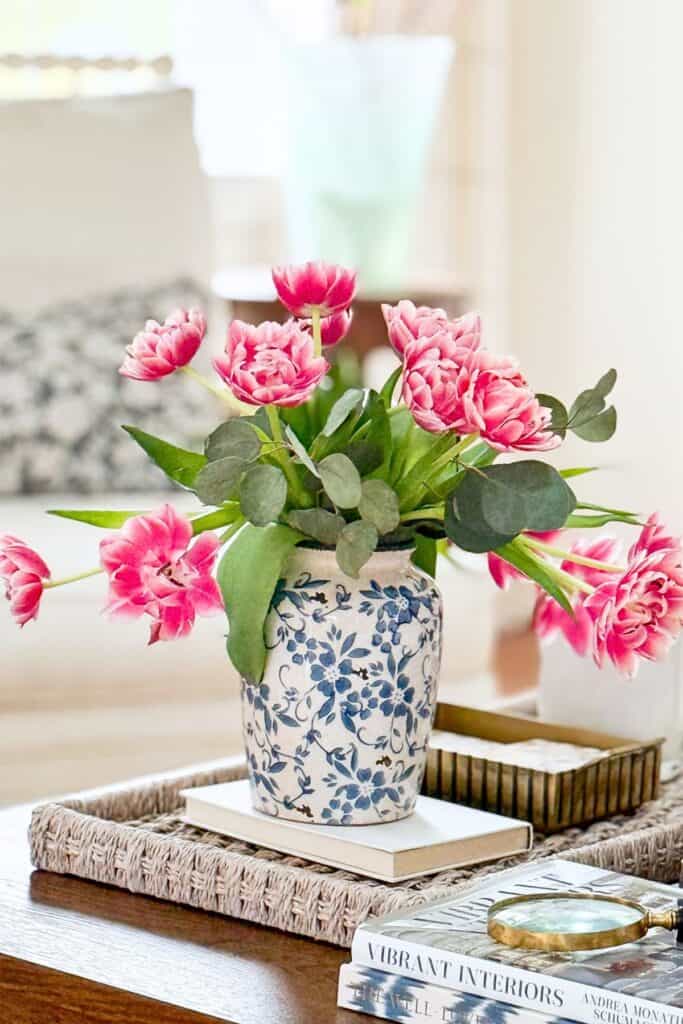
Some decorating tips work well in almost every room and help a home feel more balanced, comfortable, and thoughtfully styled. These simple ideas are easy to use and often make the biggest difference.
- Edit decorative items regularly. Too many accessories can make a space feel cluttered instead of inviting.
- Use lamps instead of relying only on overhead lighting. Lamps create softer light and make a room feel warm and comfortable.
- Add something living to a room. Fresh flowers, a plant, or seasonal branches instantly bring life and freshness to a space.
- Repeat colors throughout a room. When colors appear in several places, the room feels more connected and intentional.
- Vary the height of decorative items. Mixing tall, medium, and low pieces helps arrangements feel balanced and interesting.
- Create a focal point. Every room needs something that draws the eye, such as a piece of art, a beautiful piece of furniture, or a styled mantel.
These simple decorating ideas may seem small, but together they can transform how a room looks and feels.
Decorating Tips For Styling Flat Surfaces
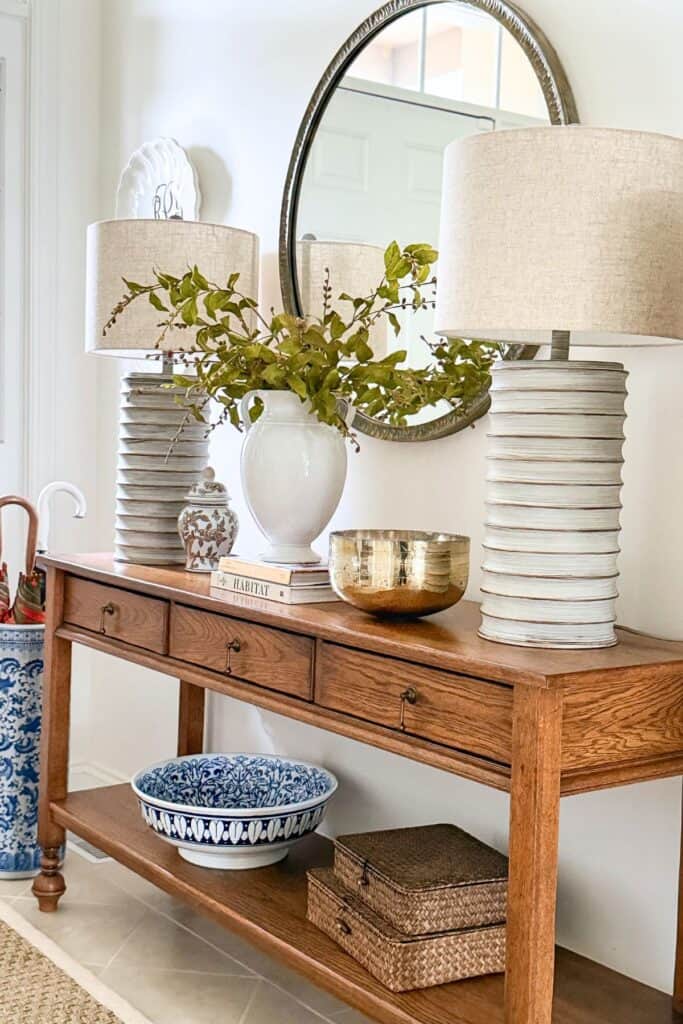
Flat surfaces are where much of the decorating magic happens in a home. I think a well-decorated flat surface can make a room. Believe me, I have had many a failed moment when it comes to decorating flat surfaces. So I quickly learned that knowing how to decorate this prime real estate in your home is key. Coffee tables, consoles, shelves, mantels, kitchen counters, and nightstands all give you a place to add beauty and personality to a room. When these surfaces are styled thoughtfully, the whole room feels more finished.
Here are a few simple tips I use when styling flat surfaces in my home.
- Start with one larger piece and build around it. It helps anchor the arrangement.
- Do not spread decor across the whole surface. Group items together so they feel connected.
- I almost always decorate in groups of three or five. Odd numbers look more natural.
- Vary the height of the items you use so that everything is not sitting at the same level.
- A stack of two or three books is one of my favorite decorating tricks. It adds height and gives smaller decor a place to shine.
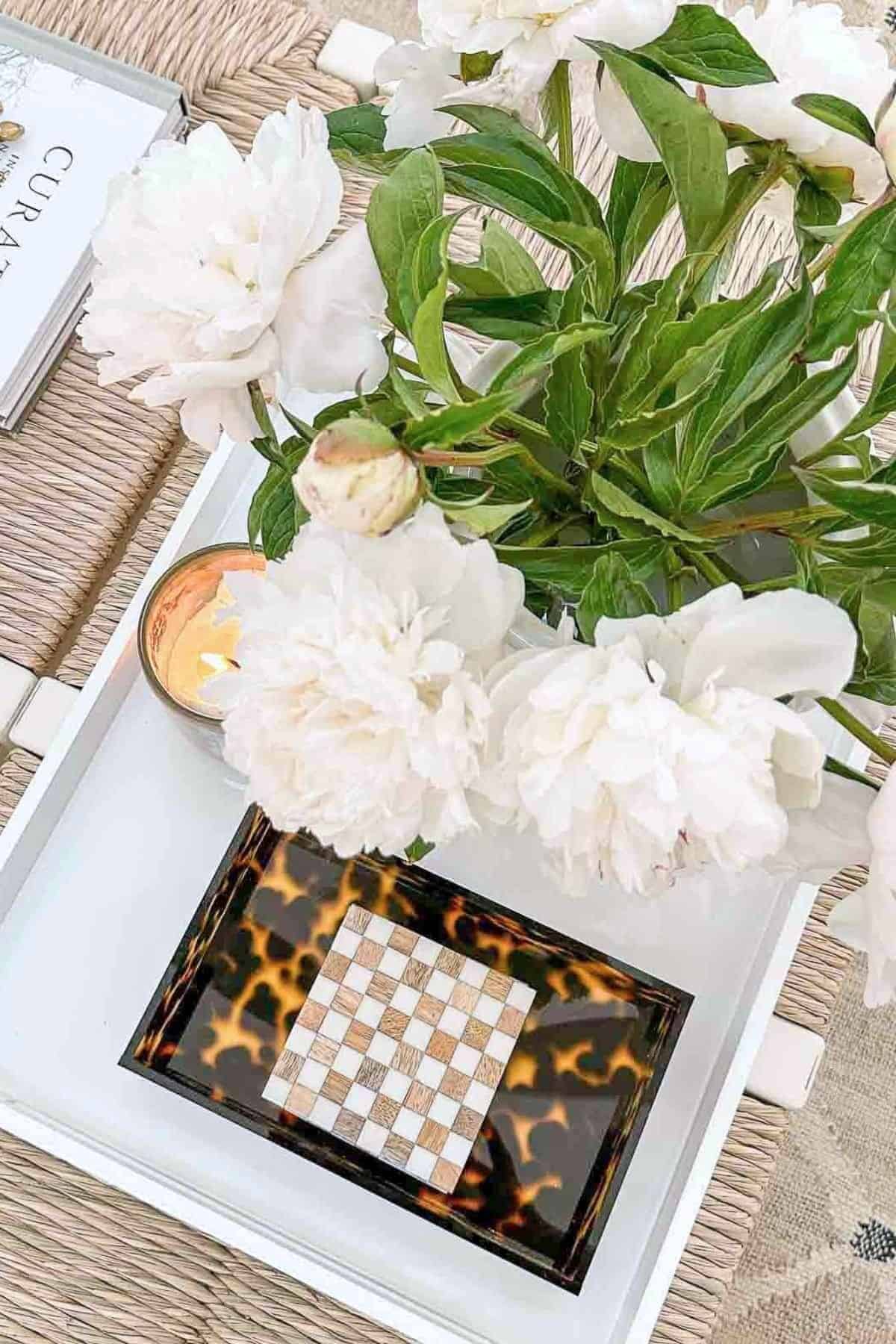
- Use a tray to organize several items on a table or counter.
- Add something living whenever you can. Flowers, greenery, or branches instantly make a surface feel fresh. This is one tip I use almost every time I decorate a flat surface.
- Mix materials such as wood, glass, ceramic, and metal so the arrangement feels interesting.
- Let one item be the star and keep the rest of the grouping simple.
- Do not feel the need to fill every inch of a surface. A little empty space makes everything look better. This was a hard lesson for me to learn, but one I’m glad I did.
- Slightly overlap items so the arrangement has depth.
- Repeat a color that appears elsewhere in the room.
Pro Decorating Tip: Use The Grouping Method
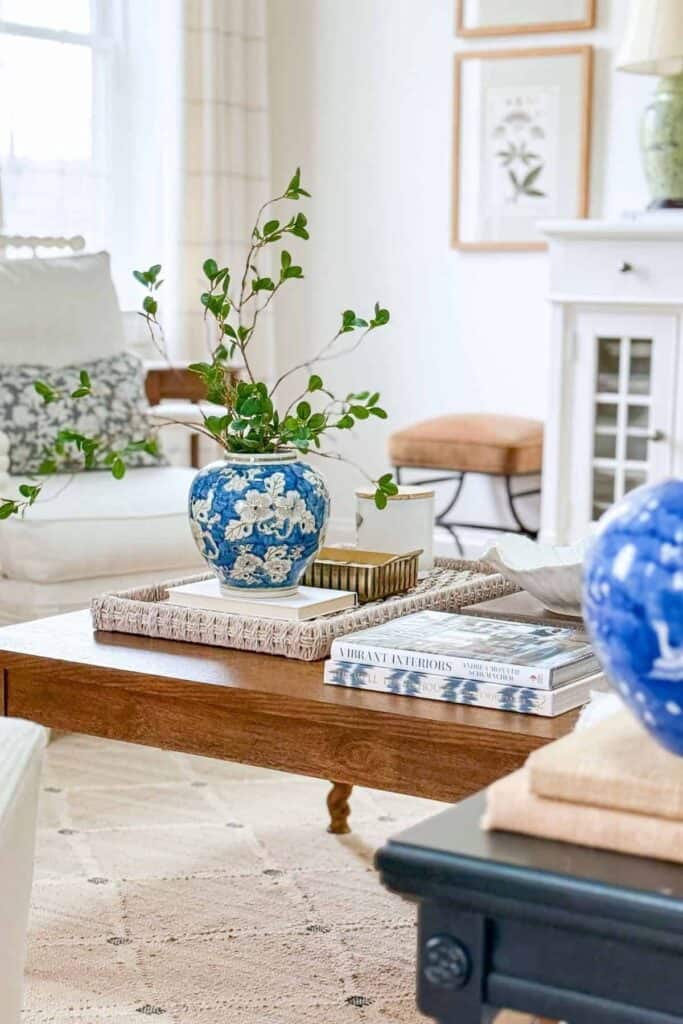
One of the easiest ways to make a surface look styled and intentional is to group items rather than placing them randomly across a table or shelf. Designers do this all the time, and once you start noticing it, you will see it everywhere. Grouping makes them part of a visual story. And we all love stories.
When items are grouped thoughtfully, they look connected and balanced instead of scattered.
Here are a few simple ways to use this decorating trick.
- Start with three to five items when creating a grouping.
- Use pieces that vary in height so the arrangement feels balanced.
- I like to include something tall, something medium, and something lower. Simple, but visually important.
- Combine different shapes, such as a round shape, a vertical one, and a wider one.
- A tray or small stack of books can help anchor the grouping. If you are having trouble grouping items, put them in a tray or low-sided basket.
- Let one item be slightly taller than the others so the eye has a place to land.
- Overlap items slightly so the grouping has depth.
- Add something natural, such as greenery, flowers, or branches. This will bring life to your grouping.
- Repeat one material such as wood, ceramic, or glass.
- Leave a little space around the grouping so it can breathe.
- Step back and adjust the spacing until it feels right.
- If something feels off, remove one item and see if the arrangement looks better.
Decorating Tips For Creating Balance In A Room
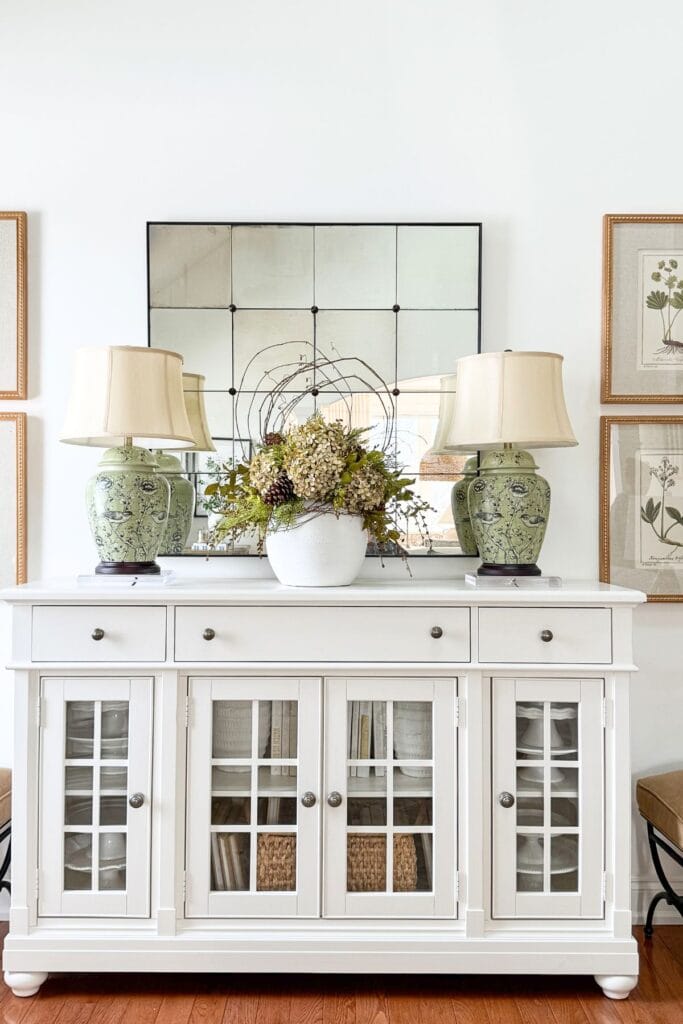
A room feels comfortable when its elements are balanced. In decorating, balance simply means that the visual weight in a room feels evenly distributed. Nothing feels too heavy on one side, and nothing feels missing on the other.
When a room is balanced, your eye moves easily around the space, and everything feels settled. But when things are out of balance, the room can feel slightly off, even if you cannot immediately explain why.
The good news is that balance is usually easy to fix with a few small adjustments. Here are some decorating tips I use when a room does not feel quite right.
- Vary the height of lamps, plants, and decorative objects so that everything is not at the same level.
- Repeat a color in several places around the room. This helps tie everything together. This is my favorite way to easily create balance in Tanglewood’s spaces.
- Spread larger decorative pieces around the room instead of placing them all in one area.
- If one side of a room feels heavy, add something with height to the opposite side.
- Use artwork to help visually anchor a space. Artwork is so popular right now.
- Mix different textures so the room feels layered and interesting.
- Pair taller items with something lower so the arrangement feels more relaxed.
- Repeat shapes such as round bowls, square frames, or tall vases throughout the room.
- If everything feels too symmetrical, add one slightly unexpected piece. Asymmetrical tension is a good thing, but use this tip sparingly.
- Step back and look at the room from across the space. Sometimes you notice what needs adjusting right away. I love a little asymmetrical tension in a room.
- If a room feels flat, try adding something with height, such as branches, a taller lamp, or artwork.
- Do not push every piece of furniture against the walls. Bringing a chair or table forward can help a room feel more balanced.
- Angle a chair slightly to make the seating area feel more natural. This is another of my go-to-first tips.
- Remove one or two items if a space feels crowded.
- When something feels off, trust your instincts and make a small change.
- If a room feels flat, try adding something with height, such as branches, a taller lamp, or artwork.
- Do not push every piece of furniture against the walls. Bringing a chair or table forward can help a room feel more balanced.
- Angle a chair slightly to make the seating area feel more natural.
- Remove one or two items if a space feels crowded.
- When something feels off, trust your instincts and make a small change.
Decorating Tips That Make A Room Feel Warm And Welcoming
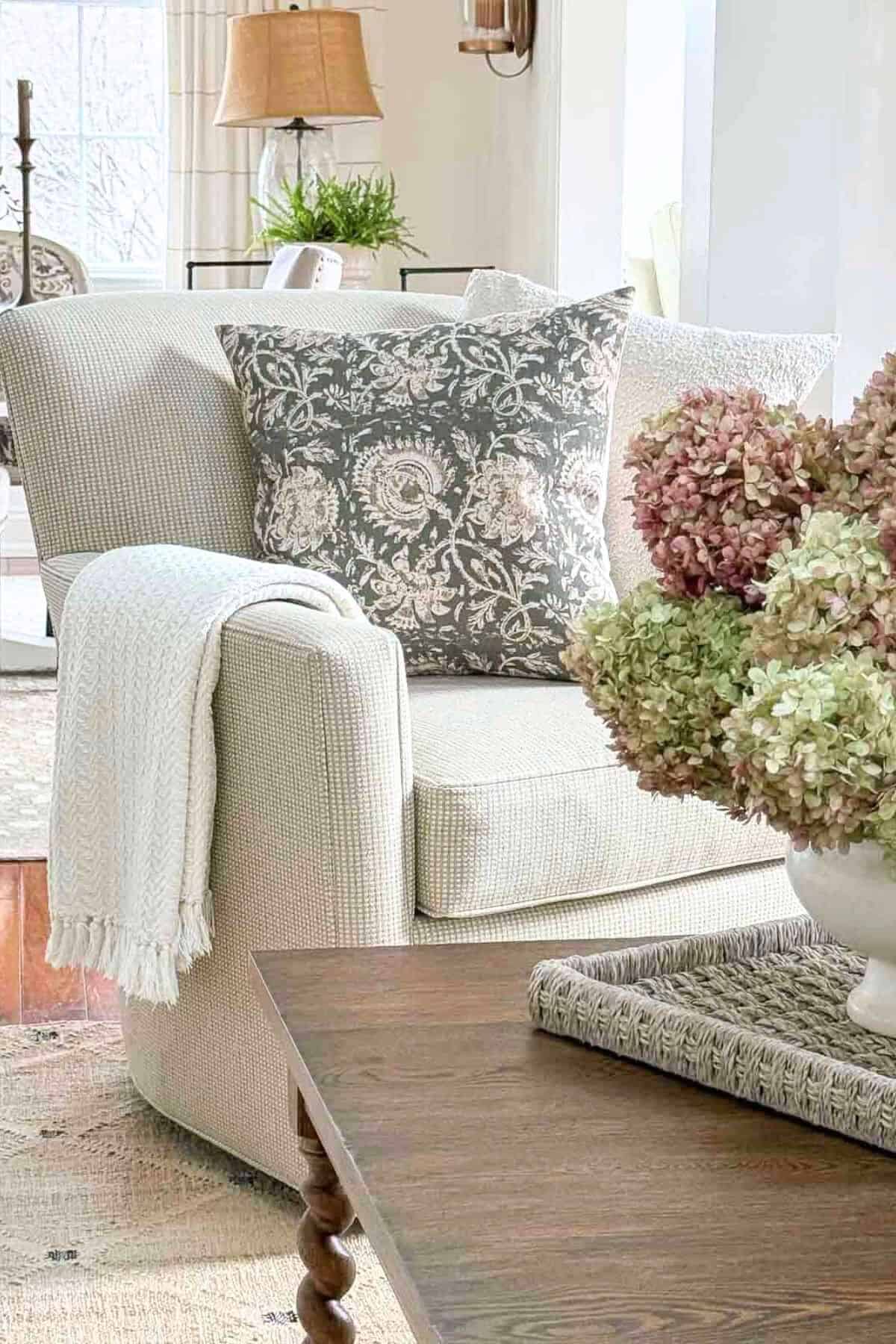
A beautiful room should not only look nice but also feel comfortable and welcoming. When a room has warmth, people naturally want to sit down, relax, and stay awhile.
Much of that feeling comes from a few simple decorating choices. Lighting, texture, and natural elements all help create a home that feels inviting and easy to live in. Our small sunroom is the most popular gathering space in our home. This room has the most plush pillows, a throw on every sofa and chair, and an ottoman and a bench for people to put their feet on. I think it says, “Come in and relax.”
Here are a few tips I often use to make a room feel warmer and more welcoming.
- Use lamps throughout a room instead of relying only on overhead lighting. Lamps create a softer, more comfortable glow.
- Add soft textures such as throws, pillows, and rugs.
- Bring something living into the room. Fresh flowers, a plant, or seasonal branches instantly add life.
- Use baskets to add natural texture and warmth.
- Layer pillows on a sofa or chair instead of using only one or two.
- Place a throw over the arm or back of a chair to make the room feel relaxed.
- Include wood elements to help warm up a space.
- Use candles in the evening to create soft light. I use battery-operated candles on timers.
- Mix different textures so the room feels layered and interesting.
- Display a few meaningful objects that reflect your life and interests.
- Use books as part of your decorating. They add warmth and personality.
- Add curtains or drapes to soften windows.
- Bring in seasonal elements that reflect the time of year.
- Use a tray to organize smaller decorative items.
- If a room feels a little cold, add something soft, such as a pillow, throw, or small rug.
Decorating Tips Designers Use Again And Again
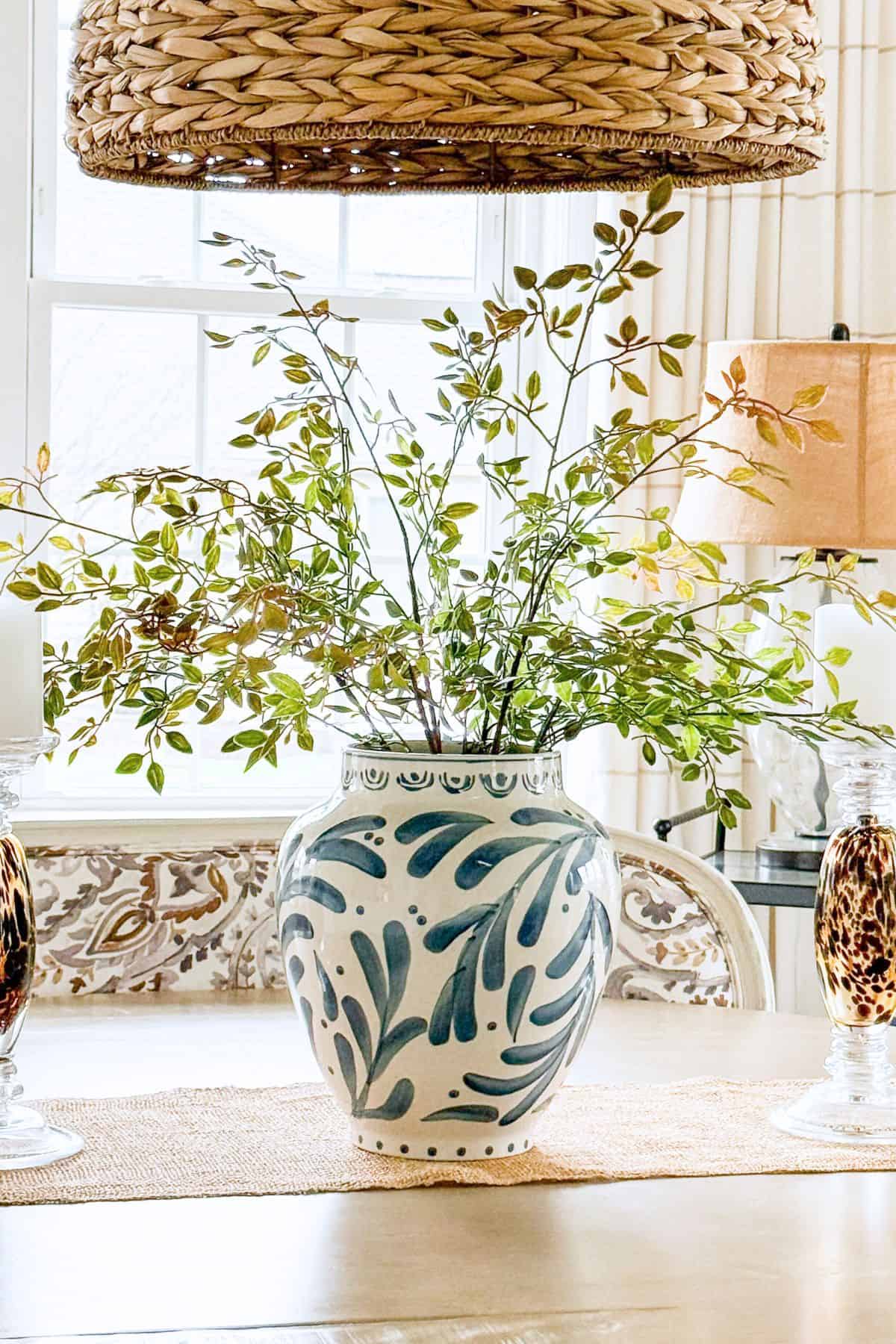
Many decorating decisions may seem simple, but designers rely on a few tried-and-true ideas when styling a room. These tips help create spaces that feel balanced, comfortable, and thoughtfully arranged.
Here are a few decorating tips designers use again and again.
- Work in odd numbers when creating small arrangements.
- Create visual triangles when styling decorative objects.
- Mix different materials such as wood, glass, metal, and ceramic.
- Use books to add height and interest to arrangements.
- Repeat a color in several places around a room.
- Layer decorative items instead of lining them up in a row.
- Combine something tall, something medium, and something low in groupings.
- Use trays to organize smaller items on tables and counters.
- Leave a little empty space so decorative items can stand out.
- Place one larger item in an arrangement to anchor it.
- Add something natural, such as flowers, branches, or greenery.
- Mix new pieces with older or meaningful items.
- Slightly overlap decorative objects to create depth.
- Step back and view a space from across the room before finishing.
- Edit decorative items often so arrangements stay fresh and uncluttered.
Small Decorating Changes That Make A Big Difference
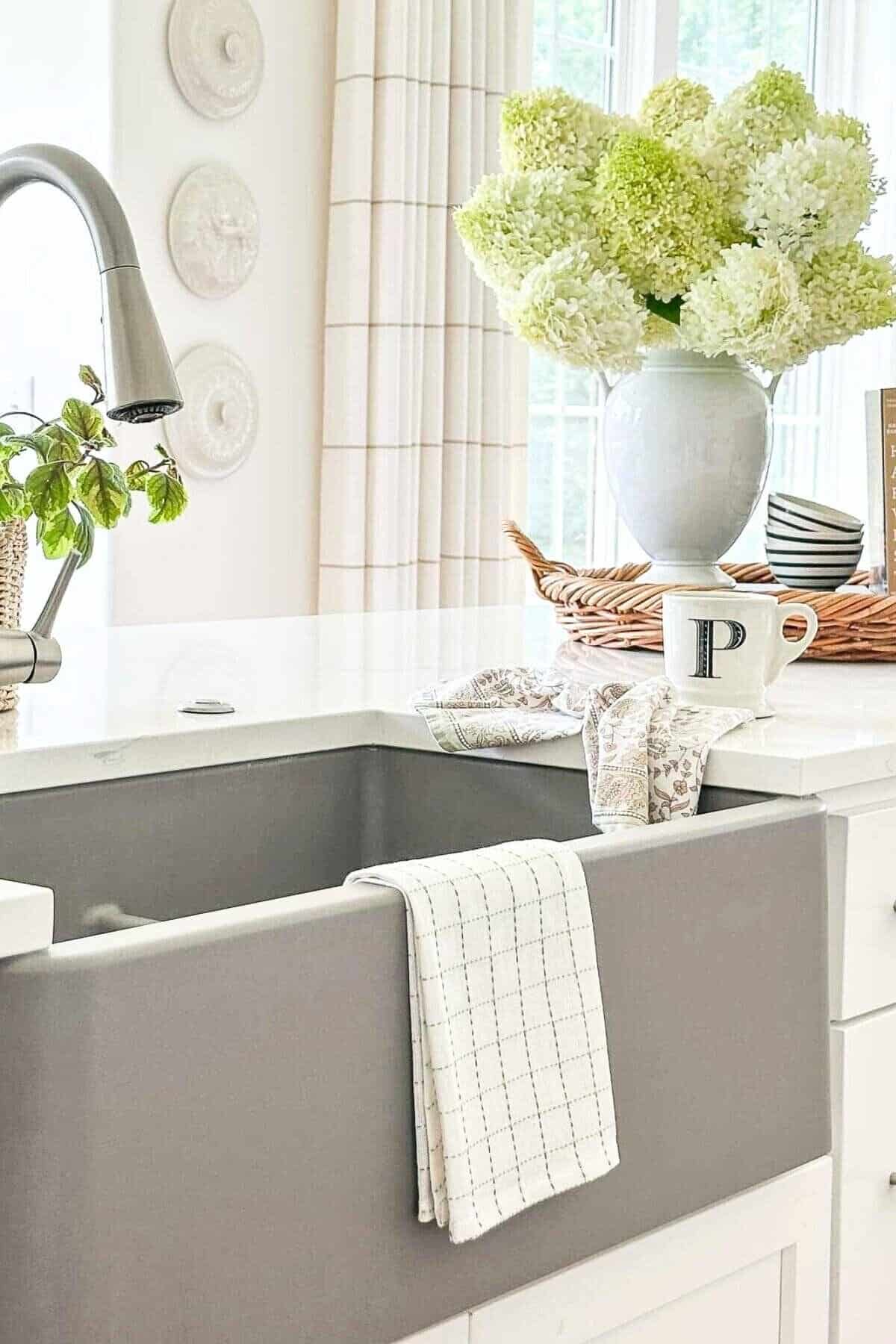
Sometimes the smallest decorating adjustments can completely change how a room feels. You do not always need to buy something new or redecorate an entire space. Often, a small change or two can make a room feel more comfortable, balanced, and finished. And these small changes often take only a few minutes to do.
Here are a few simple decorating ideas that can quickly improve a space.
- Move furniture slightly away from the walls so the room feels more relaxed and natural.
- Angle a chair just a bit to make a seating area feel more inviting.
- Remove a few decorative items from a surface so the remaining pieces stand out.
- Add a tray to organize items on a coffee table, ottoman, or kitchen counter.
- Replace a lamp that feels too small with one that has a better scale.
- Stack two or three books under a decorative object to give it a little height.
- Bring flowers or greenery into a room for an instant refresh.
- Add a throw to the back or arm of a chair.
- Adjust the spacing between decorative items so they are not crowded together.
- Add a mirror to reflect light and brighten a darker area of the room.
- Replace tired pillow covers with something fresh.
- Place a bowl, basket, or tray on a large empty surface.
- Move the artwork slightly higher or lower until it feels balanced.
- Add a small plant to a shelf, table, or counter.
- Step back and remove anything that feels unnecessary.
Think Decide Do
Decorating a home becomes much easier when you slow down and really look at a space before making changes. It is so tempting to add more decor when something feels off, but most of the time, the answer is much simpler than that.
Think about the room for a minute. Does it feel balanced? Are the surfaces too crowded or too empty? Sometimes just stepping back and looking at a space with fresh eyes helps you see what it really needs.
Decide what small change might make the biggest difference. It might be moving a chair, removing a few decorative items, adding something with height, or bringing in flowers or greenery.
Do one or two simple things and then stop for a moment and look again. Often, those small adjustments are exactly what a room needs.
Decorating does not have to be complicated. When you take time to think, decide, and then do, creating a home you love becomes much easier and a lot more enjoyable.
Decorating a home is really a collection of small decisions made over time. A flower on the table, a lamp in the right spot, a few well-chosen accessories on a shelf, these simple details are often what make a room feel finished.
I’ve used many of these tips in my own home for years, and I still come back to them again and again when something feels a little off. Most of the time it only takes a small adjustment to make a space feel more settled and comfortable.
I hope these decorating tips give you a few ideas to try in your own home. Sometimes the simplest changes are the ones that make you fall in love with a room all over again.
More Decorating Ideas You May Enjoy
If you enjoy simple decorating tips like the ones in this post, here are a few more ideas that will help you create a home that feels beautiful, comfortable, and thoughtfully styled.
How To Make Your Home Look More Expensive
Small decorating choices can make a big impact. This post shares practical ideas that help a home look polished and well put together without spending a lot of money.
How To Decorate A Buffet, Console, Side Table Or Flat Surface In Your Home
Flat surfaces offer some of the best opportunities to add beauty and personality to a room. This post walks through simple ways to style buffets, consoles, and tables so they look balanced, intentional, and beautifully decorated.
10 Minute Decorating That Makes A Real Difference
Sometimes just a few minutes is all it takes to improve a room. These quick decorating ideas help refresh a space using simple changes.
12 Decorating Rules You Should Almost Never Break
While decorating is very personal, a few design guidelines help rooms feel balanced and pulled together. These helpful rules will make decorating much easier.
Why Balance Is Important When You Decorate
Balance is one of the most important concepts in decorating. This post explains how balance works and how to use it to create rooms that feel comfortable and visually pleasing.
5 Biggest Decorating Mistakes And How To Fix Them
Even experienced decorators make mistakes from time to time. Here are a few common decorating problems and easy ways to correct them.
Frequently Asked Questions About Decorating Tips
Decorating questions come up all the time, especially when you are trying to make a room feel just right. Here are a few questions I hear often from readers.
The easiest decorating changes are often the smallest ones. Try restyling a coffee table, adding flowers or greenery, moving a chair slightly, or removing a few decorative items that feel unnecessary. Small adjustments like these can quickly make a room feel more balanced and comfortable.
A balanced room simply means that the visual weight feels evenly distributed. Nothing feels too heavy on one side or too empty on the other. One of the easiest ways to check this is to stand across the room and look at the space as a whole. If something feels slightly off, a small adjustment such as adding height, moving decor, or editing a few items often fixes the problem.
One of the most common decorating mistakes overdecorting. Trying to fill every empty space. Rooms usually look better when decorative items have a little breathing room. Editing accessories and leaving some open space often makes a room feel more calm and thoughtfully styled.
A welcoming room usually begins with using things you already have and love. Surround yourself with pieces that mean something to you instead of filling a room with items that feel impersonal.
Comfortable seating also plays an important role. When a room has inviting places to sit, people naturally want to relax and stay awhile. Add a few interesting things for the eye to enjoy too, such as a favorite book, a beautiful bowl, flowers, or a piece of art. When a room offers both comfort and a little visual interest, it naturally feels warm and welcoming.
Shopping

Happy decorating, Friends!