20 Decorating Rules You Should Break for A Stylish Home
Some decorating rules are meant to be broken! Learn how to bend the old rules for a more personal, beautiful home.
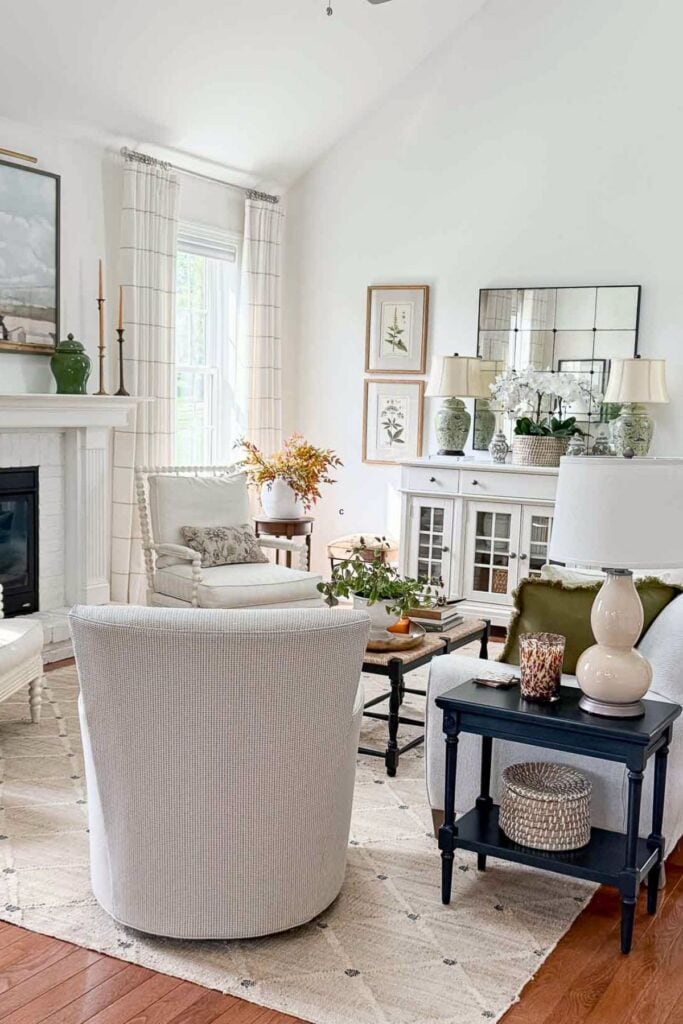
Some decorating rules are worth keeping, but others are made to be broken! Knowing which rules to follow and which to bend is one of the secrets to creating a home that feels personal, beautiful, and welcoming.
This post is the companion to 12 Decorating Rules You Should Never Break (Or Almost Never), and together they’ll help you know which rules to keep and which ones to bend a bit to make your home feel personal and beautifully your own.
I’m a rule follower by nature, and many of those decorating rules helped me when I was just starting to learn what worked. But over time, I realized that while some are very good practices, most can easily be broken to decorate your home in a way that looks personal and feels like you.
Let’s talk about a few long-standing decorating “rules” that you can confidently break, and still have a home that’s every bit as lovely.
Don’t Mix Patterns
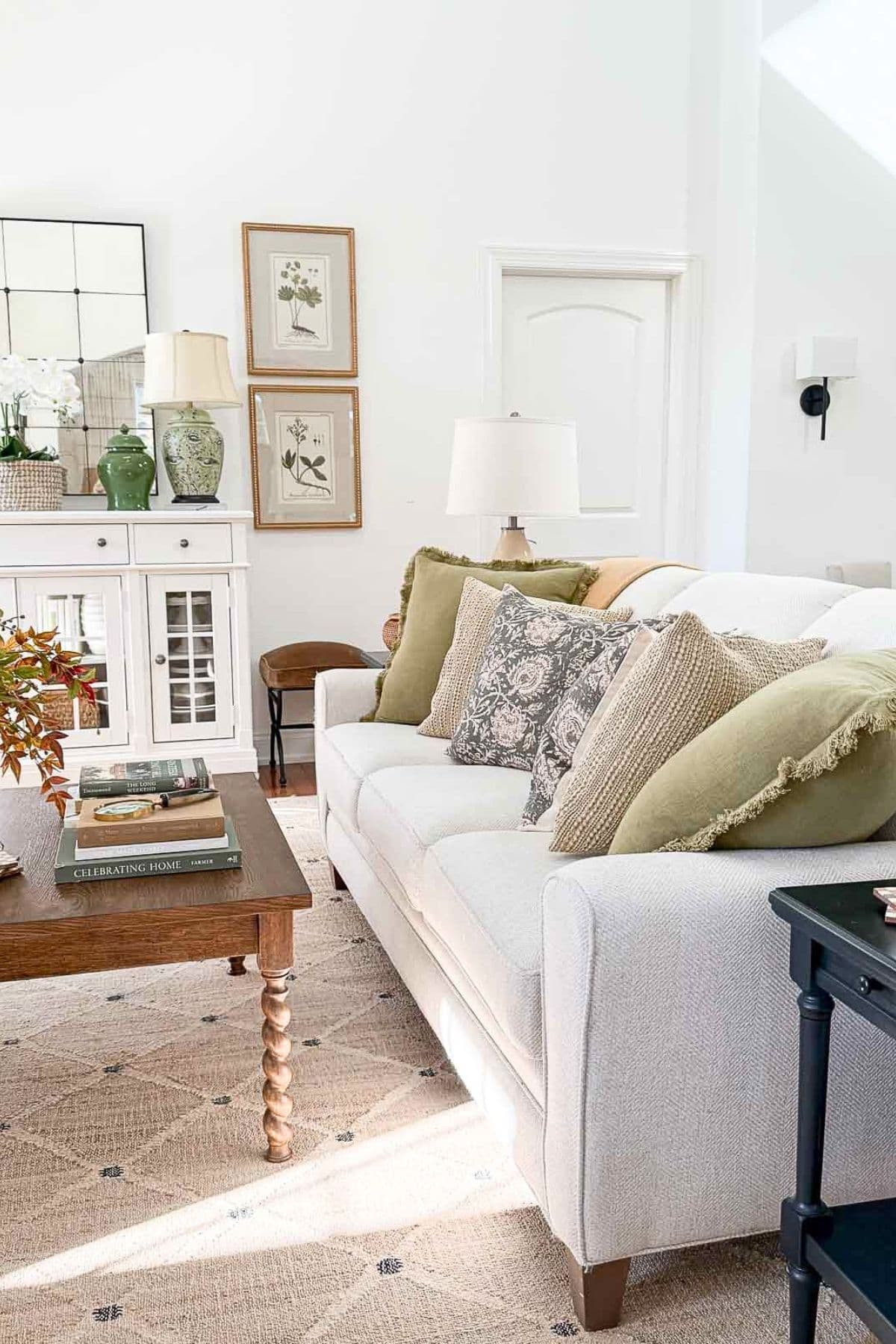
Mixing patterns used to be a decorating no-no, but now it’s one of the best ways to bring life and interest to a room. When done right, it creates personality and a warm, curated look. Florals, stripes, and checks can all work beautifully together if they share a color story or similar scale.
I totally agree that mixing patterns creates interesting layers and depth in a room. However, this rule can be broken to the extreme when a space has a cacophony of colors and patterns that cause too much visual tension. The secret is to stay somewhere in the middle—mix patterns with intention, not excess.
Decorating Tip
Start with one dominant pattern, one smaller print, and one solid. Stick to a unified color palette, and your patterns will blend beautifully.
Related Post:
The Best Kept Decorating Secret: How To Add Texture To Create Beauty In Your Home– Learn how to use texture to make any room feel more interesting and collected. Texture works just like pattern—it’s one of the quiet secrets of good decorating.
Don’t Mix Wood Tones
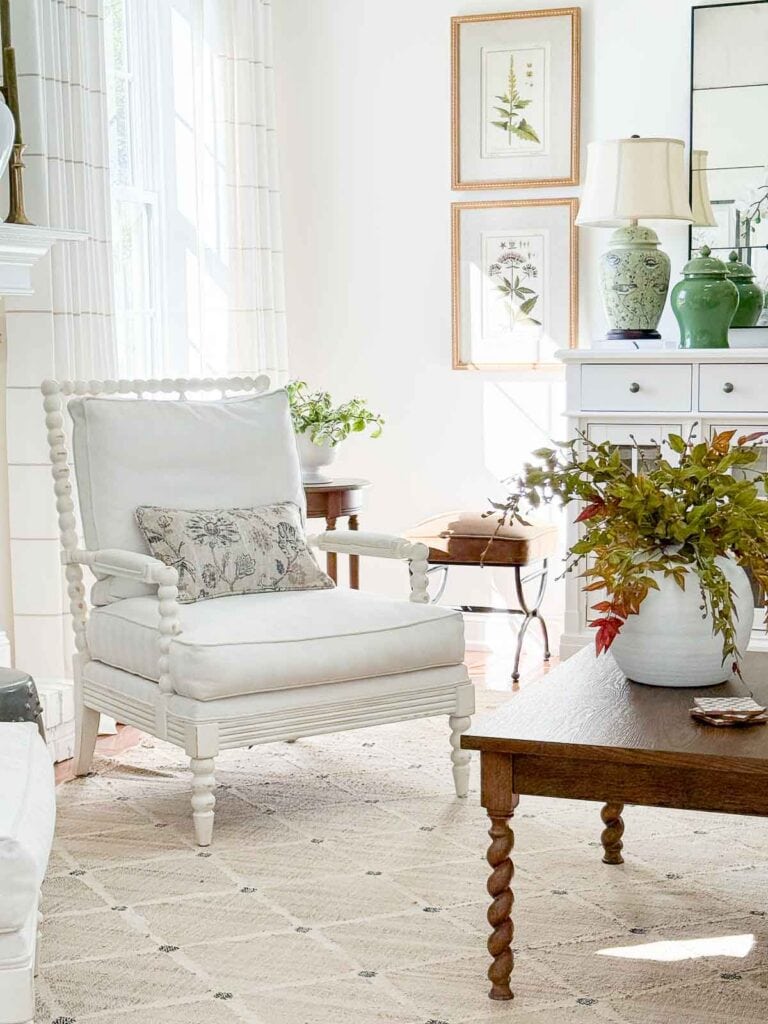
The old rule said every wood finish should match. But mixing wood tones adds warmth, character, and a lived-in look that feels natural.
The key is balance and repetition. Mix tones with intention so they look purposeful, not mismatched. Repeat one wood tone (dominant tone) several times in your home so mixing different woods look intentional.
Decorating Tip
Use one dark, one light, and one medium finish, and repeat each color at least twice in the room to tie everything together.
Pro Tip
When mixing different wood tones in a room, use one wood tone more than the others. This will create a sense of unity and keep the space from looking visually scattered. A dominant tone helps the others feel intentional and beautifully balanced.
Related Post:
10 Timeless Home Decor Tips-Simple, classic decorating ideas that stand the test of time. These tips are the foundation of a beautiful home.
Art Should Be Hung At Eye Level
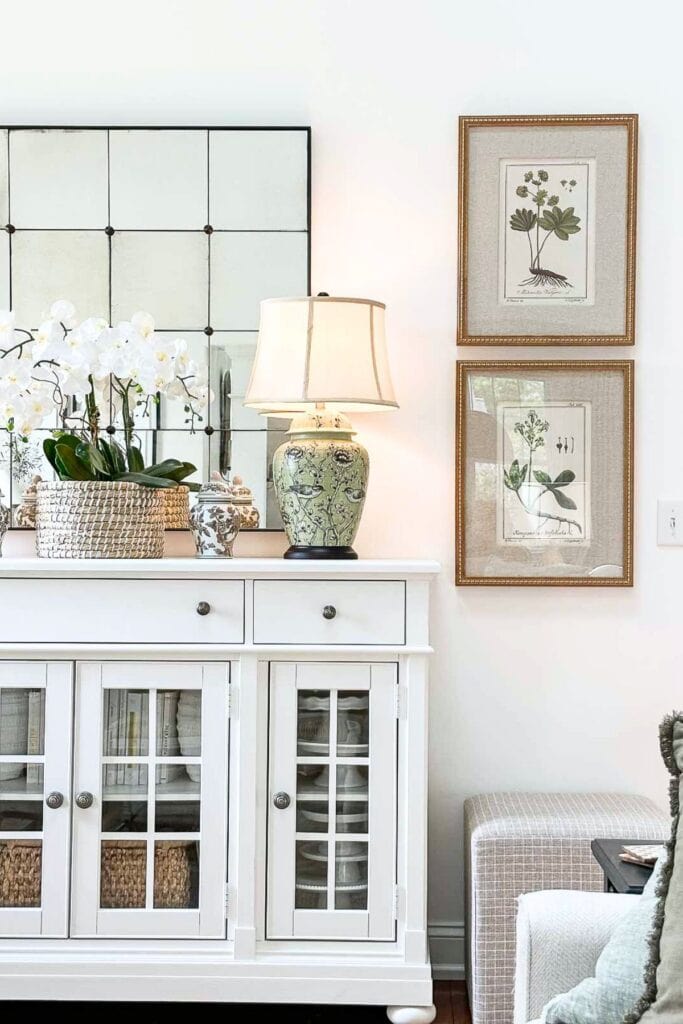
This “rule” works in art galleries, but homes are more personal. Art should relate to your furniture, not a measuring tape.
When I can, I like to hang art and mirrors at eye level. However, wall space in our open-concept home is at a premium, so hanging art and mirrors at eye level isn’t always possible. The few pieces we’ve hung on lower walls look fabulous, and they now have my grandbabies’ little handprints all over the glass. LOVE!
Decorating Tip
If you are hanging one large piece of art or a mirror, it is best to hang it at eye level. But, if you have a space that must be hung lower or higher, go for it!
Related Post:
The Best Way To Hang Stacked Pairs Of Art On A Wall-Learn how to hang two or more pieces of art together so they feel like one beautiful arrangement.
Maintain Symmetry
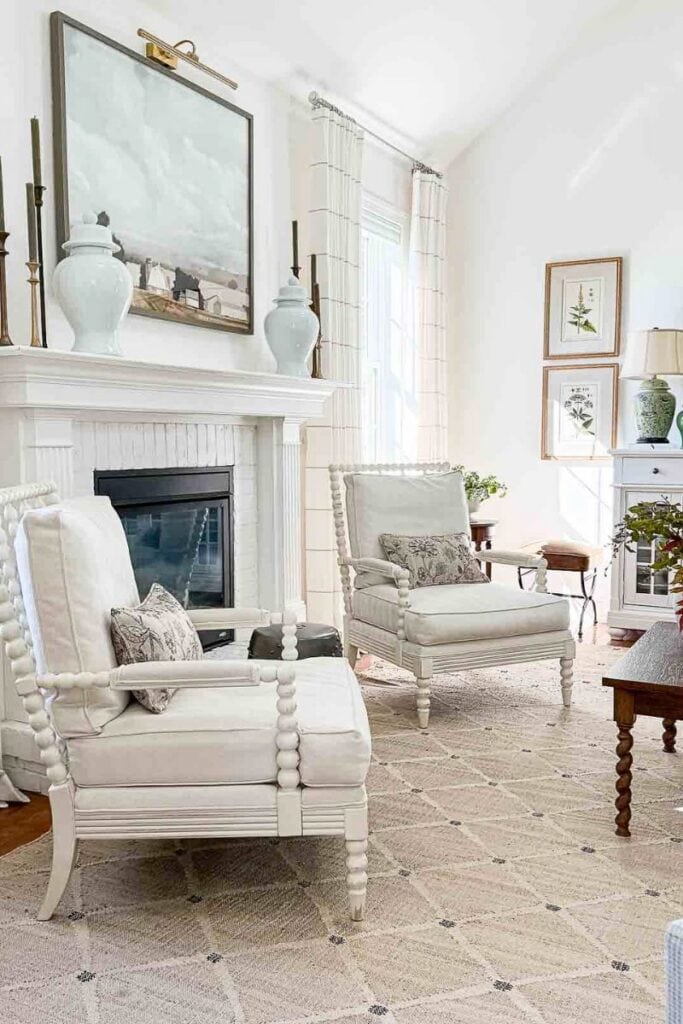
Perfect symmetry can make a space feel stiff. Loosening things up creates warmth and movement.Design is all about balance, and you can have that without matching everything on both sides of a room.
Symmetry creates instant beauty, cohesion, and balance. The spindle chairs that flank our mantel are a perfect example. Symmetry is one of the design concepts I use all the time because it makes a room feel grounded and pleasing to the eye.
However, I also use asymmetry to add a bit of good visual tension. A touch of imbalance draws the eye and keeps a room from looking too predictable. Use both, but keep asymmetry in smaller doses for the most pleasing result. It’s that balance between the two that creates true beauty and interest in a space.
Decorating Tip
If you have a lamp on one side of a console table, try balancing it with books and a small vase on the other. It feels casual but still pulled together.
Related Post
Match Metals
Mixing metals makes a room feel layered and lived-in. Gold, black, and nickel can work together if you repeat each finish more than once.
Rooms that use only one metal finish can feel flat. A mix looks intentional and adds a designer touch. The Pro Tip for Mixing Wood Tones work for mixing metals, too.
Decorating Tip
Choose one dominant metal (like brass or black) and one or two accent finishes. Use each metal in at least two places in the room.
Don’t Mix Warm And Cool Colors
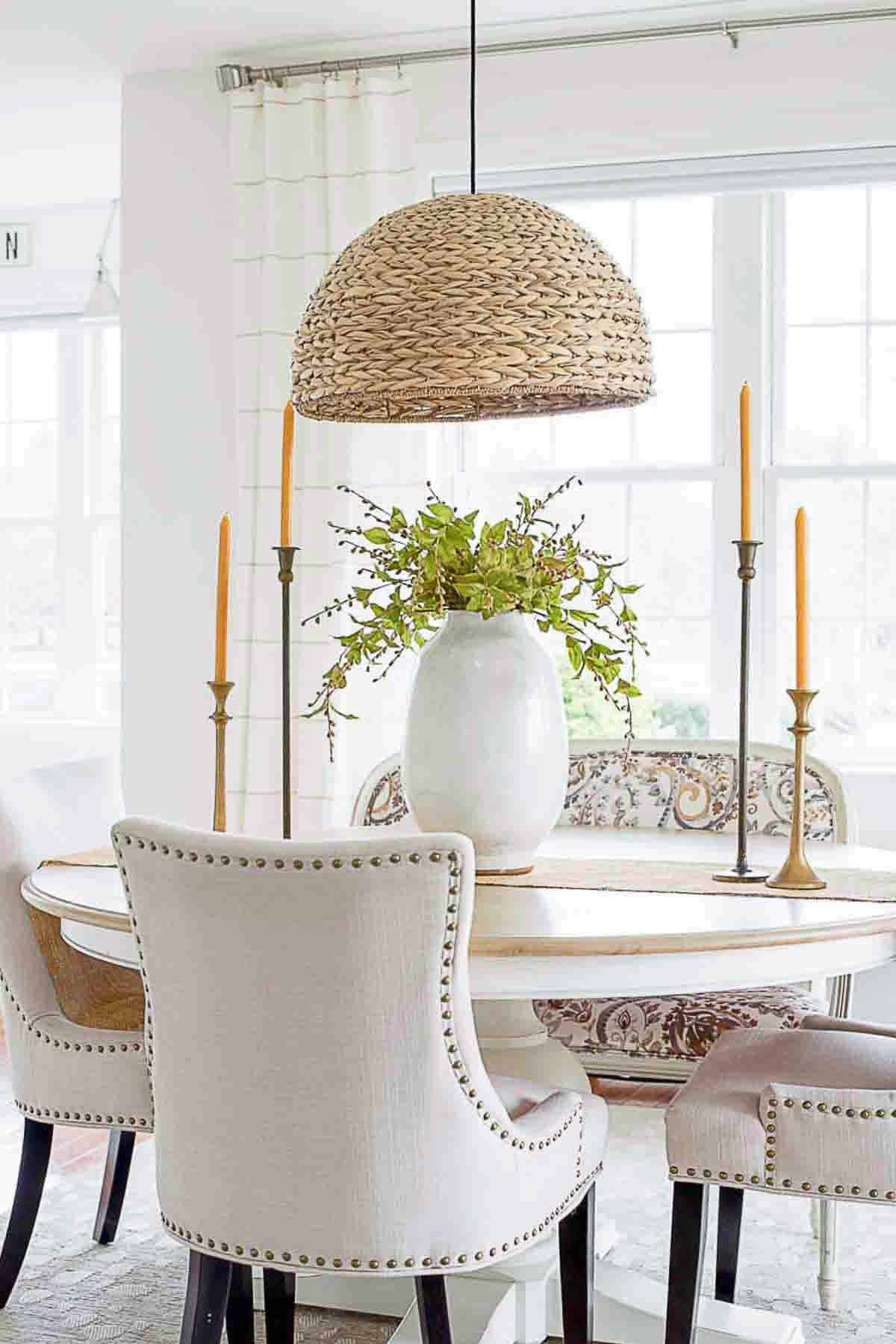
You can mix warm and cool tones beautifully. It’s all about finding balance.Warm hues (like tan, rust, or cream) and cool shades (like gray or blue) can complement each other, making a room feel rich and layered.
Our home’s color story is mostly warm and neutral, but it also needs touches of cool color to keep it from looking flat or one-dimensional.
A room that blends both color temperatures feels balanced and natural. Warm tones make a space feel welcoming, while cool tones add calmness and structure. When used together thoughtfully, they create harmony and visual depth.
Decorating Tip
Keep one color temperature dominant and use the other as an accent. When they share a similar undertone, they’ll always play nicely together.
Don’t Use Too Many Pillows In A Room
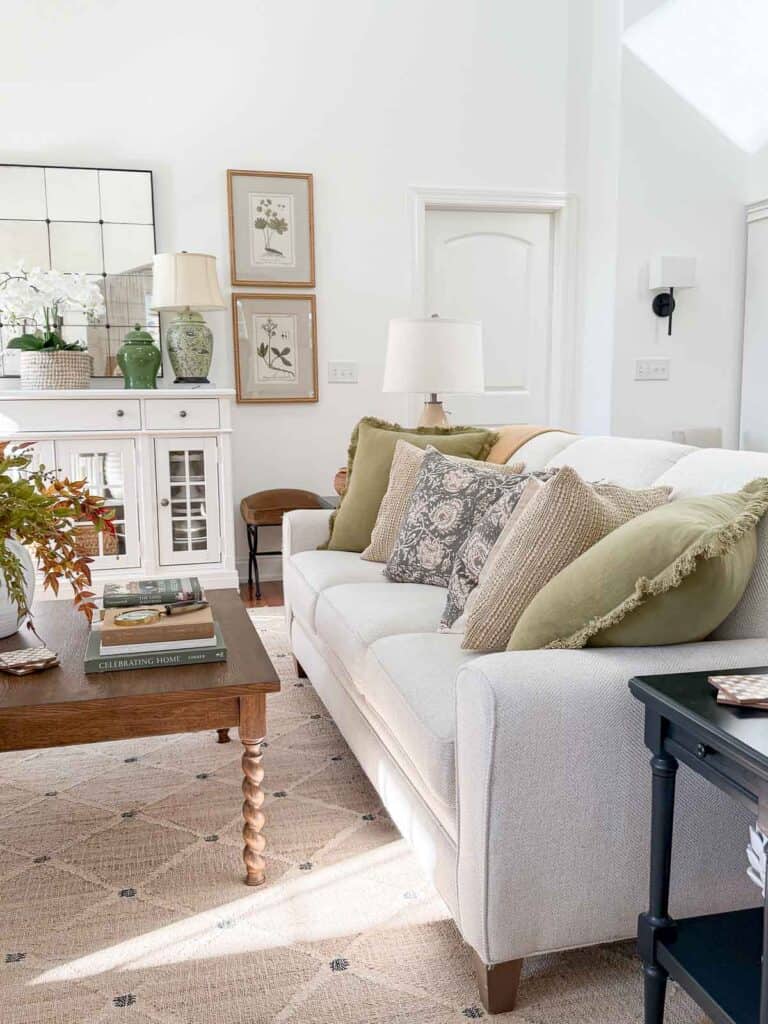
People often say not to use too many pillows on furniture, but this is one decorating rule that can be broken. Be careful about too many pillows on furniture that your family uses daily, but if you love pillows use them in your bedroom, or in a formal living room and dining room that don’t use as often. Pillows add softness, color, and charm.
Pro Tip
Put a pretty basket in the room so when people sit down, there’s a place for pillows instead of the floor. It keeps your space tidy and makes guests feel welcome.
Decorating Tip
Use fewer, larger pillows and arrange them so the furniture still feels open and easy to use.
Don’t Mix Decorating Styles
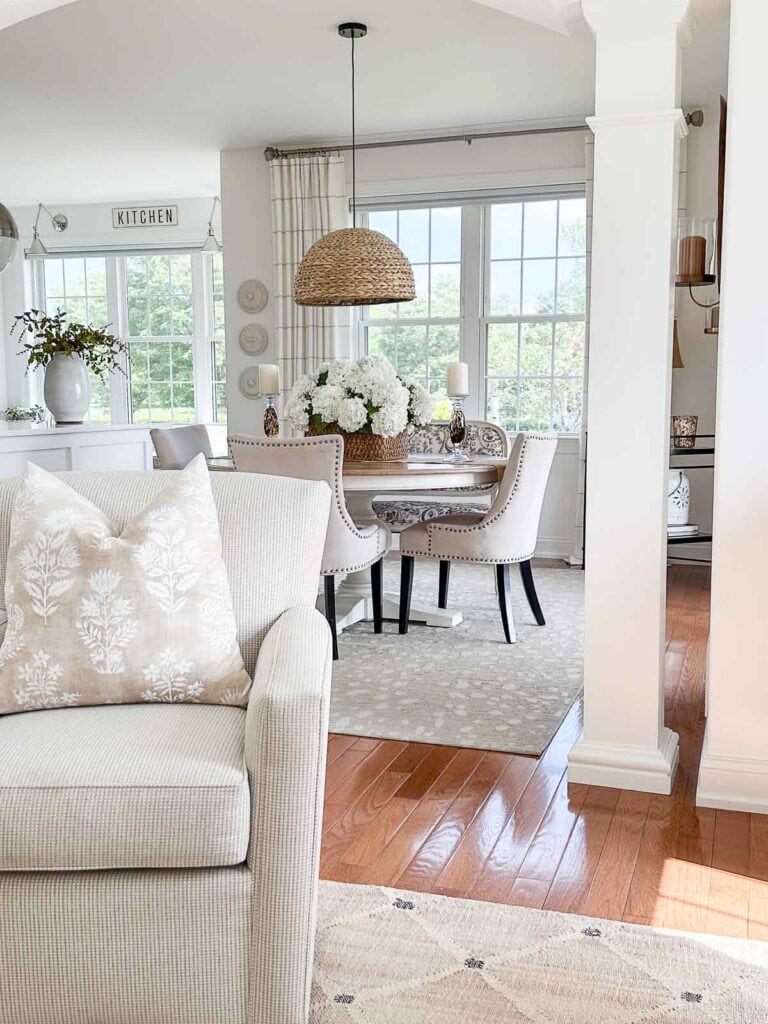
The most interesting rooms blend styles to tell your story. Mixing two or three decorating styles gives a space personality and charm. One style can tend to look boring.
Our Transitional home benefits from traditional, farmhouse, and a touch of French style.
Decorating Tip
Find one thread to connect your mix—such as color, texture, or shape—and the room will look unified instead of mismatched.
Related Post: Transitional Style:
A Beautiful Mix Of Traditional And Modern-Transitional style combines the best of both worlds—classic lines with modern ease. Learn how to create this balanced look in your home.
Don’t Mix Different Furniture Eras
Mixing furniture from different time periods adds personality and history to a home. A vintage sideboard, a modern lamp, or a classic chair can all live happily together in the same space. It’s that blend of old and new that makes a room feel collected over time instead of decorated all at once.
The key is balance. You don’t want one era to overpower the other. When the pieces share a similar scale or tone, they naturally feel connected.
Pro Tip
Every room needs a design “bridge.” Use one item, such as a rug, artwork, or lamp, that includes details from both eras. It connects vintage and modern pieces seamlessly.
Decorating Tip
Keep scale and finish in mind. If the pieces feel similar in size and weight, they’ll always work together.
Use Light Colors In A Small Room
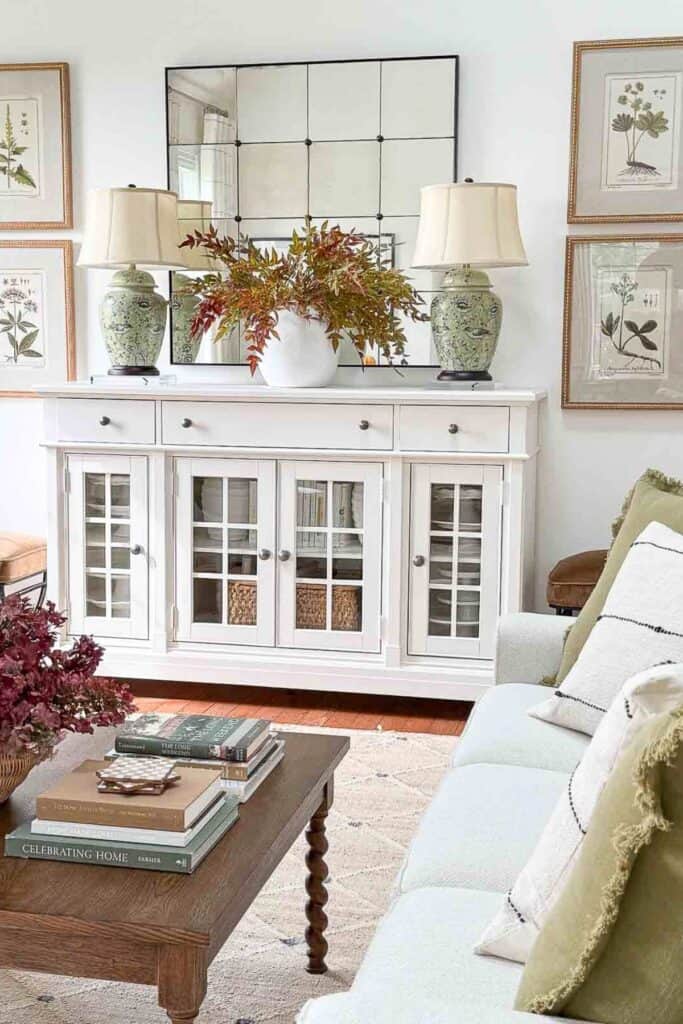
For years, decorators have said that light colors make a small room look bigger. While that’s true to a point, dark colors can work just as beautifully. In fact, they can make a small room feel cozy, sophisticated, and very intentional.
The key is balance. Dark walls need contrast—lighter furniture, drapes, or accents—to keep the space feeling lively. On the other hand, light colors are still a wonderful choice when a room doesn’t get much natural light or when you want an airy, open feel.
Decorating Tip
If you use darker walls, balance them with light trim or accents to keep the room feeling fresh and open.
Outdoor Furniture Belongs Outside

We have several indoor/outdoor rugs in our home, and I love them. They’re practical, easy to clean, and perfect for high-traffic spaces like the dining room. The low nap makes them easy to vacuum and keeps chairs sliding smoothly.
I’ve also brought a few patio garden stools inside and use them next to a chair to hold a drink or a book. They’re lightweight, add texture and color, and work just as well indoors as they do on the patio.
Decorating rules should always fit the way you live. Today’s outdoor pieces are stylish enough to mix seamlessly with your indoor decor—and they’re built to handle everyday life beautifully.
Decorating Tip
Use an outdoor chair in a sunroom or a small outdoor side table in your family room. It’s a smart way to add texture and functionality.
Other Rules To Break
Some decorating “rules” have simply outlived their usefulness. Here are a few more to confidently ignore:
- Don’t place furniture at an angle — it can make a room feel open and relaxed.
- Curtains must touch the floor — drapes that hover slightly look tidy and modern.
- Never paint trim a color other than white — stained trim or trim painted to match the walls can be beautiful.
- Use only one rug per room — layered rugs add depth and texture.
- Ceilings should always be white — a painted ceiling can transform a space.
- Don’t mix finishes—repeating each finish a few times ties them together.
- Don’t hang a chandelier in a bedroom — a chandelier adds charm anywhere.
- Every wall needs art — let a few walls breathe.
- Always match furniture sets — mixing pieces feels collected and personal.
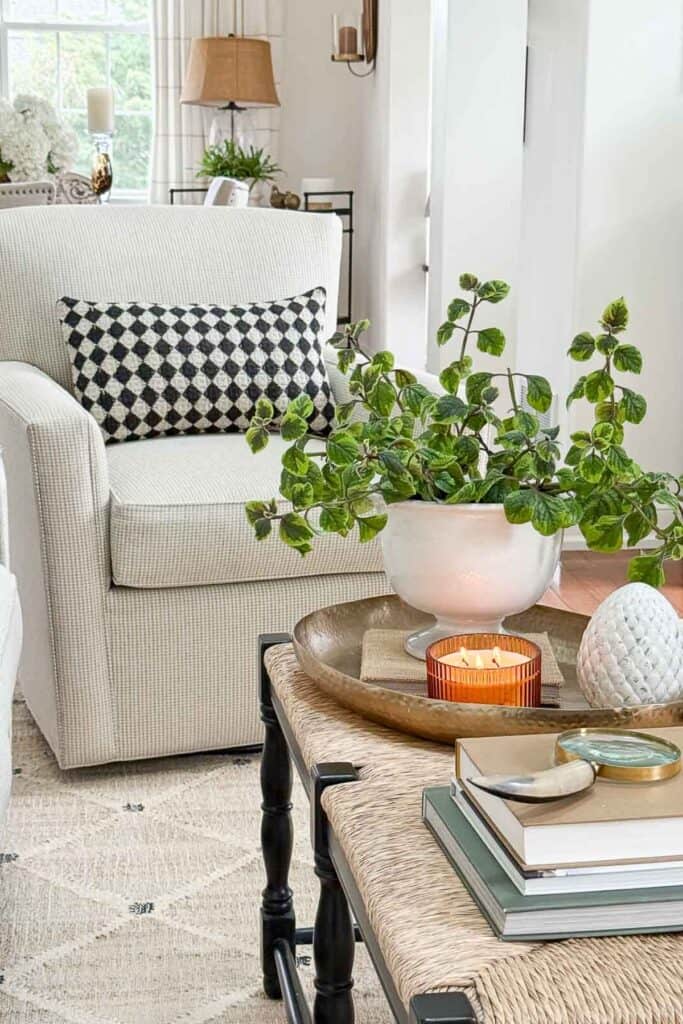
Decorating should be enjoyable and personal. Once you understand the basics, you can bend the rules a little and decorate in ways that make your home feel like you.
So try mixing patterns, blending wood tones, or painting a small room a rich color. When you decorate with confidence and creativity, your home becomes warm, welcoming, and uniquely yours.
Shopping

Frequently Asked Questions
Some of the best decorating rules to break are the ones that keep your home from feeling personal or collected. Rules like don’t mix patterns, don’t mix wood tones, always hang art at eye level, use only light colors in small rooms, and keep furniture perfectly symmetrical can all be broken thoughtfully. When you understand why the rule exists, you can bend it in a way that makes your home look more interesting, layered, and uniquely yours.
Yes, you absolutely can mix warm and cool colors—and you should if you want your space to feel layered and inviting rather than flat. According to experts, one helpful guideline is to follow an approximate 80/20 ratio (8 parts dominant temperature + 2 parts accent) so the mix looks intentional.
Not necessarily. While hanging art at eye level is a good general rule, it doesn’t fit every home or wall height. In open-concept spaces or above furniture, art often looks better when hung a little lower, so it visually connects with the pieces around it. The best height is the one that feels balanced and natural in your room.
Happy decorating, friends…
Always wanted to ask you if you have a favorite comfortable chair and what brand etc is it??? I am only 5’3″ and find most chairs are made for giants. Any suggestions??? I figured you’ve seen a lot in your business. Thank you if you have the time to respond.
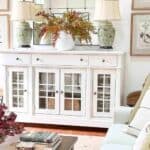
We’ve discussed a rule on the DP FB page regarding pictures/art and I am DEFINITELY breaking it! The rule is to always have a piece of furniture under a piece of art. If I did that, I’d have way too much furniture hugging the walls! I guess you feel the same way…I love the way you have flanked your buffet with lower hanging art. I have some prints of old city views and various World Fairs. I like the way they look together, hung vertically! They are flanking taller bookcases, so to add another piece of furniture just seems too cluttered. I now have a open concept home as well and wall space is a premium! Maybe that rule is obsolete!
You are right, Caroline. Because of the changing ways we live, some rules are no longer practical. Others, still make good decorating sense, but can be bent.
HI!
I enjoyed reading this article. I felt so happy because this is what our home is right now.
Thank you thank you????
I hope this post helped.
Beautiful sofa Yvonne. May I ask manufacturer and where to buy? Happy Thanksgiving!????????
Happy Thanksgiving, Marialyce! The sofa in the sunroom is from Ethan Allen and the living room sofa is a Smith Brother’s sofa I found locally years ago.
Weird but some of these “rules” I’ve been breaking for years because I learned the exact opposite. For instance I never heard the rule that woods had to match, or not to mix eras, or only paint trim white, or art must hang at eye level.. or don’t mix metals. I wonder who told you these were rules. Perhaps I’ve just been a rebel and didn’t know it 🙂 🙂 Happy 2026 you rule breaker you!
These rules have been tried and true for a long time. You must be a decorating rebel, Crystal. Good for you!